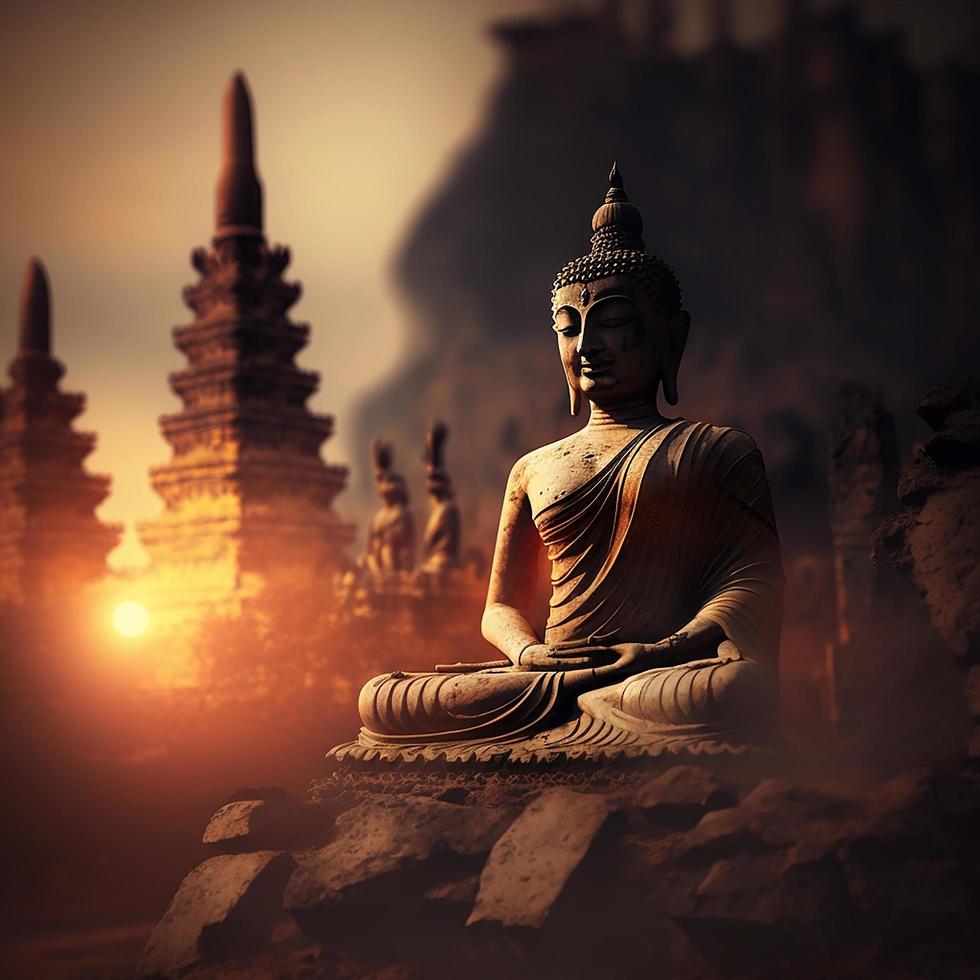
India is the birthplace of Buddhism, and its sacred sites continue to inspire millions of pilgrims and travelers worldwide. Popular Buddhist Destinations in India are not just places of worship—they are living monuments that narrate the life and teachings of Lord Buddha. From Bodh Gaya, where he attained enlightenment, to Kushinagar, where he entered Mahaparinirvana, these destinations offer a blend of spirituality, history, and cultural richness.
In this guide, we’ll explore the most popular Buddhist destinations in India, their significance, sample itineraries, and practical travel tips to help you plan a meaningful journey.
Why Visit Buddhist Destinations in India?
- Spiritual Significance: Walk in the footsteps of Lord Buddha.
- Cultural Heritage: Explore stupas, monasteries, and temples dating back centuries.
- Educational Value: Learn about Buddhist philosophy, art, and history.
- Peaceful Retreats: Meditate in serene surroundings.
- Global Appeal: India’s Buddhist circuit is recognized worldwide.
Popular Buddhist Destinations in India
1. Bodh Gaya (Bihar)
- Significance: The place where Buddha attained enlightenment under the Bodhi Tree.
- Highlights: Mahabodhi Temple (UNESCO World Heritage Site), Bodhi Tree, Great Buddha Statue.
- Experience: Meditation sessions, temple rituals, and visits to international monasteries.
2. Sarnath (Uttar Pradesh)
- Significance: Buddha delivered his first sermon here after enlightenment.
- Highlights: Dhamek Stupa, Chaukhandi Stupa, Ashoka Pillar, Sarnath Museum.
- Experience: Witness relics and learn about the spread of Buddhism.
3. Kushinagar (Uttar Pradesh)
- Significance: The site of Buddha’s Mahaparinirvana (final passing).
- Highlights: Mahaparinirvana Temple, Ramabhar Stupa, meditation parks.
- Experience: Peaceful atmosphere for reflection and prayer.
4. Rajgir & Nalanda (Bihar)
- Significance: Rajgir was a teaching site, while Nalanda was one of the world’s oldest Buddhist universities.
- Highlights: Nalanda ruins, Vishwa Shanti Stupa, hot springs.
- Experience: Explore ancient learning centers and Buddhist heritage.
5. Shravasti (Uttar Pradesh)
- Significance: Buddha spent 24 rainy seasons here, delivering many teachings.
- Highlights: Jetavana Monastery, stupas, meditation sites.
- Experience: Spiritual immersion in historic monastic life.
6. Ajanta & Ellora Caves (Maharashtra)
- Significance: Rock-cut caves showcasing Buddhist art and architecture.
- Highlights: Frescoes, sculptures, and cave monasteries.
- Experience: Artistic journey into Buddhist history.
7. Hemis Monastery (Ladakh)
- Significance: One of the largest and richest monasteries in Ladakh.
- Highlights: Hemis Festival, Buddhist relics, meditation halls.
- Experience: Blend of spirituality and Himalayan culture.
8. Sanchi (Madhya Pradesh)
- Significance: Famous for its Great Stupa built by Emperor Ashoka.
- Highlights: Stupas, monasteries, and Ashokan pillars.
- Experience: Explore ancient Buddhist architecture and carvings.
Types of Buddhist Tour Packages
| Type of Package | Highlights | Ideal For |
| Pilgrimage Packages | Bodh Gaya, Sarnath, Kushinagar, Nalanda | Devotees & spiritual seekers |
| Meditation & Retreat Packages | Monastery stays, yoga, mindfulness | Spiritual travelers |
| Cultural Packages | Festivals, rituals, Buddhist art | Culture enthusiasts |
| Luxury Packages | Premium resorts, curated experiences | High-end travelers |
| Budget Packages | Affordable stays, group tours | Students & budget-conscious tourists |
Sample Buddhist Tour Itineraries
4 Nights / 5 Days – Quick Pilgrimage
- Day 1: Bodh Gaya – Mahabodhi Temple & Bodhi Tree
- Day 2: Rajgir & Nalanda ruins
- Day 3: Sarnath – Stupas & museum
- Day 4: Kushinagar – Mahaparinirvana Temple
- Day 5: Departure
6 Nights / 7 Days – Spiritual Retreat
- Day 1: Bodh Gaya meditation session
- Day 2: Nalanda & Rajgir exploration
- Day 3: Sarnath – Buddhist heritage tour
- Day 4: Kushinagar – Pilgrimage sites
- Day 5: Shravasti – Monastery visit
- Day 6: Ajanta & Ellora caves
- Day 7: Departure
8 Nights / 9 Days – Complete Buddhist Circuit
- Bodh Gaya → Rajgir → Nalanda → Sarnath → Kushinagar → Shravasti → Ajanta & Ellora → Sanchi → Departure
Best Time to Visit Buddhist Tourist Destinations in India
- October to March: Pleasant weather, ideal for sightseeing and meditation.
- April to June: Warm climate, suitable for northern destinations like Ladakh.
- July to September: Monsoon season, lush landscapes but heavy rains in some regions.
Unique Experiences in Buddhist Tourism
- Meditation under the Bodhi Tree in Bodh Gaya
- Witnessing relics at Sarnath Museum
- Exploring Nalanda ruins with guided tours
- Attending Hemis Festival in Ladakh
- Admiring Ajanta cave paintings
- Walking around the Great Stupa of Sanchi
Practical Travel Tips
- Book Early: Pilgrimage sites and retreats fill up quickly.
- Pack Smart: Comfortable clothing, meditation mats, and light footwear.
- Respect Local Customs: Dress modestly in temples and monasteries.
- Stay Hydrated: Many sites are in warm climates.
- Travel Insurance: Recommended for international travelers.
Why Opt for Buddhist Tour Packages Instead of Solo Planning?
- Convenience: Packages cover accommodation, transport, and guided tours.
- Cost-Effective: Group deals and discounts make packages cheaper.
- Local Expertise: Guides explain Buddhist history and rituals.
- Safety: Organized tours ensure secure travel in remote areas.
Conclusion
India’s Buddhist destinations are not just places to visit—they are journeys of the soul. Whether you’re meditating under the Bodhi Tree, exploring Nalanda’s ruins, or visiting monasteries in Ladakh, the experience is deeply enriching. Popular Buddhist Destinations in India offer a chance to connect with history, spirituality, and peace.
So, if you’re planning your next holiday, let it be a Buddhist journey. With the right package, you’ll discover wisdom, serenity, and the timeless teachings of Lord Buddha.