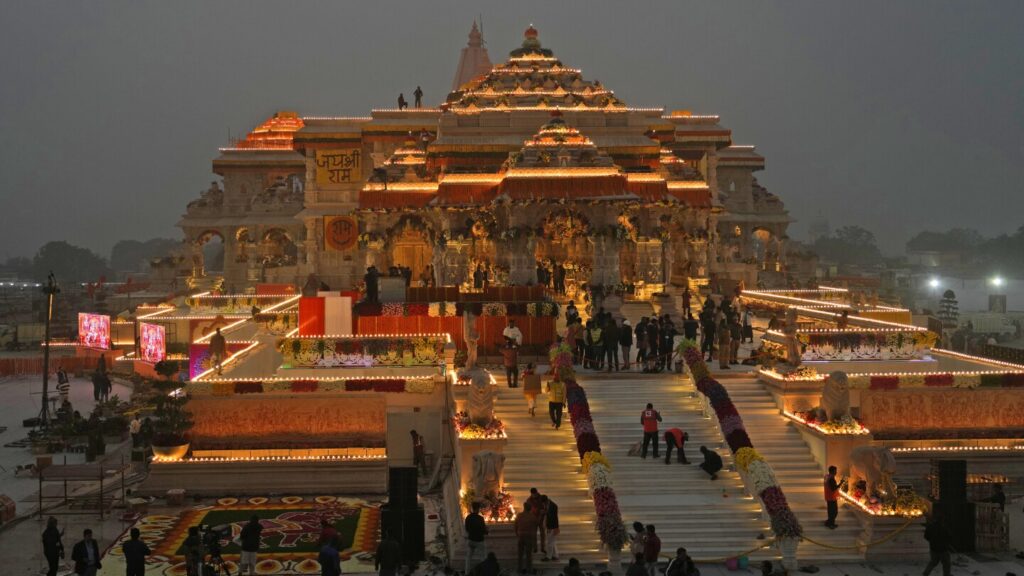
Ayodhya, located in Uttar Pradesh, is one of India’s most sacred and culturally rich cities. Known as the birthplace of Lord Rama, it attracts millions of pilgrims and tourists every year. Understanding the Best Time to Visit Ayodhya is essential for planning a meaningful and comfortable trip. The city’s climate, festivals, and cultural events all play a role in shaping the visitor experience, making timing a crucial factor in your journey.
🌍 Why Timing Matters in Ayodhya Tourism
Ayodhya is not just a destination—it is a spiritual journey. The experience of visiting temples, ghats, and cultural landmarks can vary greatly depending on the season.
- Climate Comfort: Weather conditions affect sightseeing and outdoor activities.
- Festivals & Events: Ayodhya hosts grand celebrations that attract pilgrims worldwide.
- Crowd Management: Certain times of the year see heavy tourist inflow.
- Cultural Immersion: Visiting during festivals allows travelers to witness traditions firsthand.
Choosing the best time ensures that your trip is both spiritually enriching and practically convenient.
🕉️ Seasonal Guide: Best Time to Visit Ayodhya
1. Winter (October to March) – The Ideal Season
- Weather: Pleasant temperatures ranging from 8°C to 25°C.
- Activities: Comfortable for temple visits, ghats, and sightseeing.
- Festivals: Diwali, Ram Navami, and Makar Sankranti are celebrated with grandeur.
- Highlights: Evening aarti at Sarayu Ghats is magical during winter.
Winter is widely considered the best time to visit Ayodhya, offering a balance of comfort and cultural vibrancy.
2. Summer (April to June) – Hot but Manageable
- Weather: Temperatures can soar up to 45°C.
- Activities: Early mornings and evenings are suitable for temple visits.
- Festivals: Hanuman Jayanti and other local events occur during this period.
- Tips: Carry light cotton clothes, stay hydrated, and avoid midday heat.
Summer is less popular among tourists, but dedicated pilgrims still visit Ayodhya during this time.
3. Monsoon (July to September) – Spiritual Serenity
- Weather: Moderate to heavy rainfall, temperatures between 25°C and 35°C.
- Activities: Ghats and temples look beautiful in the rain, though travel can be challenging.
- Festivals: Shravan month sees special rituals dedicated to Lord Shiva.
- Tips: Carry umbrellas and raincoats, and plan for possible delays.
Monsoon offers a unique charm, with lush greenery and fewer crowds, making it appealing for those seeking peace.
🌱 Festivals and Events: Best Time to Visit Ayodhya for Cultural Experiences
Ayodhya is synonymous with grand celebrations. Timing your visit around festivals enhances the experience.
- Diwali (October/November): Ayodhya’s Diwali is world-famous, with millions of lamps lit along the Sarayu River.
- Ram Navami (March/April): Celebrates the birth of Lord Rama with processions and rituals.
- Makar Sankranti (January): Devotees take holy dips in the Sarayu River.
- Kartika Purnima (November): Ghats are illuminated, and rituals are performed.
- Ayodhya Deepotsav: A modern cultural festival showcasing Ayodhya’s heritage.
Visiting during these festivals ensures a vibrant and unforgettable experience.
🧭 Practical Tips for Planning Your Visit
- Book Early: Accommodation fills up quickly during festivals.
- Travel Light: Comfortable clothing and footwear are essential.
- Local Transport: Auto-rickshaws and taxis are convenient for short distances.
- Stay Options: Choose from budget hotels, dharamshalas, or luxury accommodations.
- Respect Traditions: Dress modestly and follow temple etiquette.
These tips help ensure a smooth and respectful journey.
🏞️ Best Time to Visit Ayodhya for Different Travelers
- Pilgrims: Winter and festival seasons are ideal for spiritual immersion.
- Families: Winter offers comfortable weather for children and elders.
- Photographers: Monsoon and Diwali provide stunning visuals.
- International Tourists: Winter ensures pleasant weather and cultural vibrancy.
Different travelers may find different seasons more suitable, but winter remains universally recommended.
💡 Benefits of Visiting Ayodhya at the Right Time
- Spiritual Growth: Festivals and rituals enhance devotion.
- Cultural Learning: Witnessing traditions enriches understanding of Indian heritage.
- Comfortable Travel: Pleasant weather makes sightseeing enjoyable.
- Memorable Experiences: Timing ensures participation in grand events.
The right timing transforms a trip into a holistic experience.
⚠️ Challenges in Ayodhya Tourism
Despite its charm, Ayodhya tourism faces challenges:
- Overcrowding: Festivals attract massive crowds.
- Infrastructure Needs: Better facilities required for international tourists.
- Weather Extremes: Summers can be harsh, and monsoons unpredictable.
- Preservation Issues: Ancient temples and ghats need conservation.
Awareness of these challenges helps travelers plan better.
🔮 Future of Ayodhya Tourism
Ayodhya is undergoing rapid development to accommodate growing tourism:
- Smart Tourism: Digital booking and virtual tours.
- Eco-Friendly Practices: Sustainable tourism initiatives.
- Global Outreach: Promoting Ayodhya as a spiritual hub worldwide.
- Wellness Tourism: Combining meditation, yoga, and Ayurveda with pilgrimages.
- Cultural Expansion: More focus on Ramlila, music, and literature festivals.
The future of Ayodhya tourism looks promising, with enhanced facilities and global recognition.
✨ Conclusion
Best Time to Visit Ayodhya depends on your preferences, but winter (October to March) is widely regarded as the most ideal season. Pleasant weather, vibrant festivals, and spiritual serenity make this period perfect for exploring temples, ghats, and cultural landmarks. Whether you visit during Diwali to witness millions of lamps illuminating the city or during Ram Navami to celebrate Lord Rama’s birth, Ayodhya promises unforgettable experiences.
Ayodhya is timeless, and choosing the right time ensures that your journey is not just a trip but a spiritual and cultural adventure.