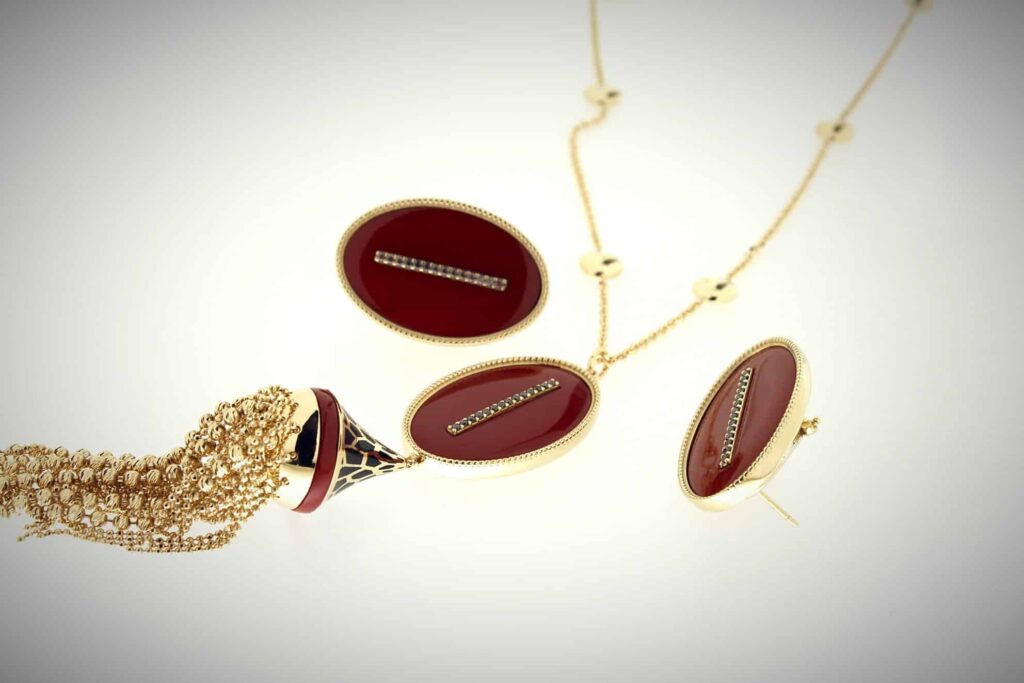
Buying jewellery in bulk can be a valuable opportunity for retailers, resellers, jewellery businesses, and other commercial buyers. However, purchasing high-value gold products requires more than selecting attractive designs and negotiating a competitive price. Buyers also need to think carefully about payment security, product verification, documentation, packaging, transportation, insurance, and delivery procedures.
The Nigerian jewellery market includes demand for both traditional and contemporary designs, while gold remains one of the most important materials in the market. Research on Nigeria’s jewellery sector highlights gold as a dominant material and identifies opportunities linked to changing consumer preferences, urbanisation, technology, and a growing middle-class market.
For businesses exploring wholesale gold jewellery In Nigeria, having a structured payment and delivery process can make bulk purchasing more organized and dependable. Goldy provides a useful reference for understanding wholesale gold purchasing and the factors businesses should consider before completing an order.
Why Secure Payment Matters in Wholesale Gold Jewellery
Wholesale gold jewellery transactions can involve considerably more money than ordinary retail purchases. A small difference in price per gram can become significant when an order contains a large quantity of jewellery.
A secure payment process should clearly establish:
- The total order value
- Gold purity
- Product weight
- Quantity
- Payment schedule
- Payment method
- Delivery conditions
- Documentation
- Applicable additional charges
Buyers should avoid making substantial payments based only on informal conversations. A written quotation or invoice can create a clear record of what both parties have agreed to purchase.
Understand the Total Wholesale Gold Jewellery Cost
The wholesale gold jewellery cost in Nigeria depends on several factors. There is no single price that applies to every wholesale jewellery order.
The final amount can be influenced by:
- International gold prices
- Naira exchange rates
- Gold purity
- Jewellery weight
- Design complexity
- Labour
- Manufacturing
- Gemstones
- Finishing
- Packaging
- Transportation
- Supplier margins
- Order quantity
This means buyers should compare complete quotations rather than focusing only on a price per gram.
A simple gold chain and a highly detailed gold necklace may contain similar amounts of gold but have very different final prices because of design and manufacturing costs.
Confirm Purity Before Making Payment
Gold purity should be confirmed before a large wholesale order is paid for.
Common jewellery purities include 24K, 22K, 21K, and 18K. Each contains a different proportion of pure gold.
For example, 18K gold contains approximately 75% gold, while 22K contains approximately 91.6% gold.
The buyer should ensure that the stated purity matches the product description, invoice, and any relevant testing or certification.
When calculating the wholesale gold jewellery cost in Nigeria, purity is particularly important because two pieces with the same weight can have different underlying gold values.
Request a Detailed Invoice
A detailed invoice is one of the most useful documents in a wholesale transaction.
It should clearly identify, where applicable:
- Supplier information
- Buyer information
- Product descriptions
- Gold purity
- Individual or total weight
- Quantity
- Price
- Additional charges
- Payment terms
- Delivery terms
- Order date
The more valuable the transaction, the more important it becomes to maintain a complete paper trail.
This documentation can also assist with accounting, stock management, and future resale.
Use Traceable Payment Methods
For high-value transactions, businesses should favour payment methods that create an appropriate transaction record.
Depending on the arrangement, this may include a formal bank transfer or another established payment channel suitable for the transaction.
The Central Bank of Nigeria states that its payments-system supervision mandate includes promoting the safety and soundness of the payments system, as well as strong internal controls, transparency, and accountability.
Businesses should verify the recipient’s payment details carefully before authorising a transfer. Any change to bank details should also be independently confirmed rather than accepted solely through an unexpected message.
Avoid Unclear Payment Instructions
A buyer should be cautious when payment instructions are incomplete, inconsistent, or suddenly changed.
For example, additional verification may be appropriate if:
- The account name differs from the supplier’s business name.
- Bank details change shortly before payment.
- The supplier asks for payment to an unrelated third party.
- The final invoice differs from the original quotation.
- A new payment method is introduced without explanation.
For a large gold order, payment details should be confirmed through a trusted business contact before funds are transferred.
Consider Payment Stages for Large Orders
For substantial orders, businesses may agree on a structured payment schedule rather than making the entire payment immediately.
Depending on the commercial arrangement, this could involve:
- Order confirmation
- Initial payment
- Product preparation
- Verification or inspection
- Final payment
- Secure dispatch
- Delivery confirmation
The exact structure should be agreed by both parties in writing.
A clear payment schedule can make it easier for the buyer and supplier to understand their respective responsibilities.
Verify the Jewellery Before Dispatch
Product verification should take place before the jewellery leaves the supplier whenever practical.
Buyers can request confirmation of:
- Gold purity
- Weight
- Quantity
- Product specifications
- Packaging
- Documentation
For larger orders, businesses may also consider independent inspection or professional testing where appropriate.
This is especially useful because verifying the goods before dispatch can make discrepancies easier to identify and resolve.
Why Weight Verification Is Important
Weight plays an important role in determining the value of gold jewellery.
For a bulk order, buyers should know:
- Total jewellery weight
- Weight of individual pieces where relevant
- Gold purity
- Whether gemstones or non-gold components are included in the stated weight
A business should not assume that the gross weight of a jewellery piece represents its exact gold content.
For gemstone jewellery, for example, part of the total weight may come from stones or other materials.
Check Jewellery Specifications Carefully
Before accepting delivery, the buyer should compare the actual products with the original order.
Important details include:
- Design
- Quantity
- Gold purity
- Weight
- Size
- Colour
- Gemstones
- Finishing
- Special customization
This becomes particularly important for custom or made-to-order wholesale jewellery.
A detailed order sheet can help both sides confirm that the delivered products match the original agreement.
Secure Packaging for Gold Jewellery
Packaging is an important part of secure delivery.
Gold jewellery should be packaged in a way that protects it from:
- Scratching
- Bending
- Damage
- Loss
- Unauthorised access
For larger shipments, packaging should also be designed to protect the goods during handling and transportation.
The packaging process should be documented where appropriate, particularly for valuable commercial orders.
Choose a Suitable Delivery Arrangement
Delivery should be treated as part of the wholesale transaction rather than an afterthought.
Before dispatch, the buyer and supplier should agree on:
- Delivery location
- Expected delivery schedule
- Courier or logistics provider
- Insurance arrangements
- Tracking
- Recipient verification
- Delivery confirmation
- Responsibility for loss or damage
These details should be documented before the goods are shipped.
Use Tracking for Valuable Shipments
Tracking can provide visibility throughout the delivery process.
A tracked shipment can help establish:
- Dispatch confirmation
- Transit progress
- Estimated arrival
- Delivery status
For high-value jewellery, businesses should also consider whether the chosen delivery service is specifically equipped to handle valuable goods.
The cheapest delivery option is not necessarily the most suitable option for a high-value gold shipment.
Consider Insurance for High-Value Orders
Gold jewellery has a high value relative to its physical size, which makes appropriate protection during transportation especially important.
Businesses should determine whether the shipment is insured and understand:
- What is covered
- The maximum covered amount
- When coverage begins
- When coverage ends
- What documentation is required for a claim
- Who is responsible for arranging the insurance
The responsibility for insurance should be clearly established before dispatch.
Confirm Who Carries Responsibility During Delivery
The buyer and seller should agree on when responsibility for the goods transfers from one party to the other.
For example, the transaction terms can specify whether responsibility remains with the supplier until delivery or transfers at another defined point.
This prevents confusion if a shipment is delayed, damaged, lost, or incorrectly delivered.
Written delivery terms are especially valuable for larger transactions.
Keep Delivery Documentation
Businesses should maintain records related to the shipment.
Useful documents may include:
- Invoice
- Packing list
- Shipment reference
- Tracking information
- Delivery confirmation
- Product specifications
- Insurance documentation where applicable
- Correspondence regarding dispatch
Keeping these records can make inventory management and reconciliation easier.
Inspect the Shipment Immediately
When the jewellery arrives, the buyer should inspect it promptly.
The receiving process can include checking:
- Package condition
- Quantity
- Product designs
- Gold markings
- Weight
- Purity documentation
- Serial or identification information where applicable
If the shipment does not match the original order, the buyer should document the discrepancy immediately and communicate it to the supplier.
Create a Clear Receiving Process
Businesses that regularly purchase wholesale gold jewellery In Nigeria can benefit from establishing a standard receiving procedure.
A receiving process might include:
- Confirm the shipment identity.
- Inspect external packaging.
- Record the delivery.
- Check the quantity.
- Compare products with the invoice.
- Verify relevant weights.
- Review purity information.
- Photograph or document discrepancies.
- Update inventory records.
A consistent process reduces the chance of administrative mistakes.
Understand the Difference Between Wholesale and Retail Pricing
Wholesale prices are normally designed for commercial purchasing, while retail prices include additional business costs and margins.
A retailer buying in bulk may purchase at a wholesale price and later add costs associated with:
- Store operations
- Marketing
- Staff
- Packaging
- Financing
- Taxes or applicable charges
- Customer service
- Profit margin
Therefore, the wholesale gold jewellery cost in Nigeria should be viewed as one component of the retailer’s overall business calculation.
How Gold Prices Affect Wholesale Jewellery Costs
Gold jewellery prices are strongly influenced by the underlying gold market.
When international gold prices rise, the material component of jewellery can become more expensive. Currency movements can also affect local pricing.
The World Gold Council has reported that elevated gold prices have influenced jewellery purchasing globally, with consumers increasingly considering lighter-weight pieces and other ways of adapting to higher prices.
For Nigerian businesses, this makes price monitoring an important part of wholesale purchasing.
Why Lightweight Jewellery Can Be an Opportunity
High gold prices can encourage customers to choose lighter pieces rather than abandoning gold jewellery completely.
This creates opportunities for wholesalers to provide:
- Lightweight chains
- Smaller earrings
- Delicate bracelets
- Slim rings
- Minimal pendants
- Everyday gold pieces
A diverse product range can allow retailers to serve customers with different budgets.
At the same time, current global jewellery trends show increasing interest in bold, expressive designs and chunky gold pieces among some higher-spending consumers.
A balanced wholesale collection can therefore include both lightweight everyday products and larger statement jewellery.
Maintain Accurate Inventory Records
Once an order has been received, the business should record the jewellery properly.
Inventory records can include:
- Product name
- Product code
- Purity
- Weight
- Quantity
- Supplier
- Purchase date
- Purchase price
- Selling price
Accurate records help businesses understand how much capital is invested in inventory.
They can also make it easier to identify fast-moving products and determine when new stock needs to be ordered.
Build Long-Term Supplier Relationships
Reliable supplier relationships can make future wholesale purchasing more efficient.
A good commercial relationship can support:
- Consistent communication
- Repeat orders
- Better understanding of specifications
- More predictable delivery arrangements
- Easier problem resolution
However, a long-term relationship should still include proper invoices, payment records, product verification, and agreed delivery terms.
Trust and documentation should work together.
Check Regulatory and Compliance Requirements
Businesses involved in gold and jewellery trading should understand the regulatory requirements that apply to their activities.
Nigeria’s jewellery market operates within a regulatory environment involving product standards, trade requirements, and other applicable rules. Industry research identifies the Standards Organisation of Nigeria as one of the bodies involved in product quality, labelling, and safety standards.
Importers and businesses involved in cross-border transactions may have additional documentation and customs responsibilities.
Requirements can change depending on the type of transaction, so businesses should verify the rules applicable to their particular operation.
How Goldy Can Help Buyers Think About Wholesale Purchasing
Goldy provides a useful reference for businesses researching wholesale gold jewellery In Nigeria and evaluating the factors involved in commercial gold purchases.
When comparing suppliers, businesses should look beyond the initial price and consider purity, weight, design, quality, documentation, payment arrangements, and delivery conditions.
Understanding the wholesale gold jewellery cost in Nigeria also requires considering international gold prices, exchange-rate movements, manufacturing expenses, labour, product design, order quantity, and other applicable charges.
A complete evaluation can help businesses make more informed purchasing decisions and plan their inventory more effectively.
A Secure Payment and Delivery Checklist
Before confirming a wholesale gold jewellery order, buyers can use this checklist:
- Confirm the supplier’s business information.
- Request a detailed written quotation.
- Confirm gold purity.
- Confirm product weight and quantity.
- Clarify the complete price.
- Review the invoice.
- Confirm payment details independently.
- Use a traceable payment method.
- Agree on payment stages for large orders where appropriate.
- Verify products before dispatch where practical.
- Confirm packaging arrangements.
- Establish delivery terms.
- Confirm tracking.
- Clarify insurance.
- Establish responsibility during transit.
- Inspect the shipment immediately upon arrival.
- Keep invoices and delivery records.
- Update inventory after receiving the order.
This process can make a high-value wholesale purchase more organized from beginning to end.
Final Thoughts
Purchasing wholesale gold jewellery In Nigeria can provide valuable opportunities for retailers, resellers, manufacturers, and jewellery businesses. However, the success of a bulk order depends not only on the quality and price of the jewellery but also on how securely the transaction is handled.
A clear payment process, detailed documentation, appropriate verification, secure packaging, reliable delivery, tracking, and proper receiving procedures can help businesses manage wholesale purchases more effectively.
The wholesale gold jewellery cost in Nigeria should also be evaluated carefully because gold prices, purity, weight, craftsmanship, labour, exchange rates, order size, and delivery-related expenses can all influence the final amount.
With Goldy as a reference, businesses can approach wholesale jewellery purchasing with a structured process that focuses on transparency, accurate pricing, secure payment, reliable delivery, and proper inventory management. This approach can help create stronger purchasing decisions and more dependable long-term wholesale relationships.