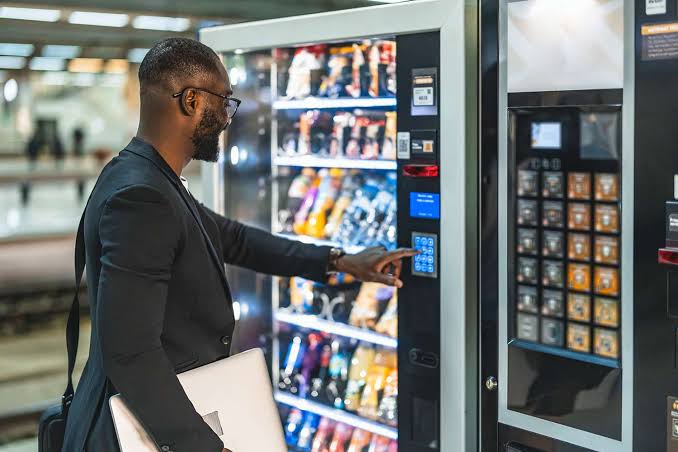
Walk into any busy office around lunchtime and you will probably spot a small crowd near the vending machine. It might seem like a minor detail in the bigger picture of running a business, but a vending machine says a lot about how a company treats its staff. Get it right, and you have got a handy little perk that keeps people fed, hydrated, and happy through the workday. Get it wrong, and you end up with a machine nobody uses, jammed snacks, and staff grumbling about wasted money.
Installing an office vending machine sounds simple enough. You call a supplier, pick a machine, plug it in, and you are done, right? Not quite. Plenty of businesses across Australia have learned the hard way that there is more planning involved than most people expect. From choosing the wrong location to ignoring what staff actually want to eat and drink, small oversights can turn a good idea into a waste of space and money.
This article walks through the most common mistakes companies make when setting up vending machines in their offices, and more importantly, how to avoid them. Whether you are a small startup with fifteen staff or a large corporate office with hundreds of employees, these tips will help you make a smarter decision.
Mistake One: Choosing the Wrong Location
This is probably the biggest and most common mistake. A vending machine placed in the wrong spot will barely get used, no matter how good the snacks inside are. Some companies tuck the machine away in a corner near the fire exit or in a storage room because that is the only “spare” space available. The problem is that out of sight really does mean out of mind. Staff will not go out of their way to find a vending machine hidden behind a stack of boxes.
The best spots are usually near break rooms, kitchens, or high traffic hallways where people naturally pass throughout the day. Think about where staff already gather to chat, grab a coffee, or take a breather. That is where the machine should go. It also helps to place it somewhere with good lighting and enough space around it so people are not squeezing past each other to use it. Another point worth mentioning is noise and temperature. Machines that dispense cold drinks or frozen snacks generate a bit of heat and sound from the compressor. Placing one right next to a quiet meeting room or someone’s desk is asking for complaints.
Mistake Two: Not Asking Staff What They Actually Want
It is easy to assume everyone likes the same snacks, but offices are full of different tastes, dietary needs, and preferences. A company might fill the machine with chocolate bars and sugary soft drinks, only to find out half the office is trying to eat healthier or has dietary restrictions.
Before choosing what goes inside the machine, it is worth doing a quick survey or simply asking around. Some staff might want more water and juice options. Others might be after protein bars, nuts, or gluten free snacks. A mix that reflects the actual workforce will get used far more than a machine stocked based on guesswork.
This does not mean every single preference needs to be catered for, but having a reasonable variety makes a big difference. A good rule of thumb is to include a balance of indulgent treats, healthier options, and basic drinks like water and soft drinks. Rotating the stock every so often based on what sells and what does not is also a smart move.
Mistake Three: Overlooking Machine Size and Office Space
Some businesses go too big, cramming a large vending machine into a tight break room where it makes the space feel cramped and uncomfortable. Others go too small, choosing a compact machine that cannot hold enough stock for a large team, leading to it running empty within a day or two.
Before ordering a machine, measure the available space properly. Think about walking room, door swing, and whether the machine will block any pathways or exits. It also helps to think ahead. If the company plans to grow and add more staff in the next year or two, a slightly larger machine might make more sense than the bare minimum needed right now.
Office Vending Machine layout matters here too. Open plan offices with a central kitchen area often do well with one larger machine, while offices spread across multiple floors might need two or three smaller machines placed strategically rather than one big unit everyone has to walk to.
Mistake Four: Ignoring Payment Options
This is a mistake that feels outdated but still happens more often than you would expect. Some companies install machines that only accept coins or notes, forgetting that most people barely carry cash these days. Modern vending machines should support tap and go payments, along with mobile wallet options like Apple Pay and Google Pay. If staff cannot easily pay because they do not have the right change, the machine simply will not get used, no matter how good the snack selection is. It is worth checking with the supplier exactly what payment methods the machine supports before signing any contract. Some older machines can be upgraded with a card reader, but it is far easier to get this right from the start.
Mistake Five: Not Considering Maintenance and Restocking
A vending machine is not a set and forget appliance. It needs regular restocking, cleaning, and occasional repairs. Companies sometimes sign up with a supplier without checking how often the machine will be serviced, and end up with empty slots, expired stock, or a machine that is simply out of order for weeks.
Before signing any agreement, ask the supplier clear questions. How often will the machine be restocked? Who is responsible for cleaning it? What happens if it breaks down or eats someone’s money? A good supplier will have clear answers and a proper service schedule in place.
It also helps to have someone in the office responsible for reporting issues quickly. If a machine is jammed or running low, staff should know who to tell so it gets sorted rather than sitting broken for a fortnight.
Mistake Six: Forgetting About Cost Structures
Vending machines can be free to install, rented, or purchased outright, and each option comes with its own pros and cons. Some companies jump into a contract without fully understanding the cost breakdown, only to find hidden fees for restocking, servicing, or machine rental buried in the fine print.
It pays to compare a few suppliers before making a decision. Ask about upfront costs, ongoing fees, and whether there is a minimum contract length. Some suppliers offer free machines in exchange for a cut of sales, which can work out well for smaller offices that do not want to deal with ownership costs.
Larger companies with bigger budgets might prefer to own the machine outright and negotiate directly with snack and drink suppliers for better pricing. There is no single right answer here. It depends on the size of the office, the budget available, and how much control the company wants over pricing and stock.
Mistake Seven: Setting Prices Too High
Nothing frustrates staff more than a vending machine that charges nearly retail price or more for a bag of chips or a can of soft drink. Some companies leave pricing entirely up to the vending supplier without checking what staff are actually being charged. If prices are too high, staff will simply stop using the machine and bring their own snacks from home, which defeats the purpose of installing it in the first place. It is worth reviewing pricing regularly and comparing it to what similar snacks cost at the local supermarket. Keeping prices reasonable, or even subsidising them slightly as a staff perk, tends to boost usage and goodwill significantly.
Mistake Eight: Not Thinking About Sustainability
More staff than ever care about environmental impact, and a vending machine full of plastic wrapped snacks and single use plastic bottles can feel a bit out of step with modern expectations. Some companies overlook this entirely, while others go too far the other way without checking what is practical. A reasonable middle ground works best. Consider including reusable options, recyclable packaging where possible, and perhaps a water refill station alongside the vending machine rather than relying purely on bottled water. Some suppliers now offer eco friendly snack brands with compostable packaging, which is worth asking about. This is not about overhauling the entire setup overnight, but small adjustments like this show staff that the company has thought about the details, not just ticked a box.
Mistake Nine: Poor Communication About the New Machine
It sounds obvious, but plenty of companies install a vending machine and never properly tell staff about it. No email, no sign, nothing. Staff wander past for weeks without realising it is even there or how to use it. A simple announcement goes a long way. Send a quick email or put up a sign explaining what is in the machine, how to pay, and who to contact if there are issues. If the company did a survey to choose the snacks, mention that too. Staff appreciate knowing their input was actually used.
Mistake Ten: Not Reviewing Performance Over Time
Once the machine is installed, some companies treat the job as finished and never look at it again. But usage patterns change. What was popular in the first month might not be popular six months later, especially as new staff join or the season changes. Most modern vending machines come with basic sales tracking, showing which items sell well and which sit untouched. Checking this data every few months helps keep the stock relevant and avoids wasting money on snacks nobody wants. It also helps to occasionally ask staff for feedback, since numbers alone do not always tell the full story.
A Quick Word on Office Upgrades in General
Getting small office decisions right, like a vending machine, often reflects a bigger mindset of looking after the details that matter to staff. The same logic applies outside the office too. Just as a business might realise an old vending contract no longer suits its needs and decide to upgrade, plenty of people go through a similar process with things sitting around unused, like an old car taking up space in the driveway. For anyone in that situation, looking into options to sell unwanted cars Sydney wide can be just as straightforward as swapping out a tired vending machine for something that actually works better for everyone involved.
How to Choose the Right Supplier
Picking the right supplier can make or break the whole experience. A few things worth checking before signing anything include how long the company has been operating, what other businesses say about them, and whether they offer a trial period before committing to a longer contract.
It is also worth asking whether the supplier is flexible. Can the snack selection be adjusted based on staff feedback? Can the machine be swapped for a different size if needed later? Suppliers who are willing to work with the office rather than offering a rigid one size fits all package tend to lead to a much smoother experience long term. Reading reviews from other local businesses, particularly ones of a similar size, can also give a clearer picture of what to expect in terms of service reliability and restocking frequency.
Common Questions Companies Ask Before Installing a Vending Machine
Does the office need more than one machine?
This depends mostly on staff numbers and building layout. A single floor office with under fifty staff usually only needs one well stocked machine. Larger offices spread across multiple floors often benefit from smaller machines on each level rather than forcing everyone to walk to one central spot.
Should snacks and drinks be in separate machines?
Not necessarily, but it can help in busier offices. Combined machines are fine for smaller teams, while larger offices sometimes find it more efficient to separate snack and drink machines to reduce queuing at busy times like lunch.
How long does installation usually take?
Most standard vending machines can be delivered and set up within a few days to a couple of weeks, depending on the supplier and whether any electrical work is needed for the space.
Can the machine be moved later if the office layout changes?
In most cases, yes. It is worth checking this with the supplier upfront, especially if the office is likely to relocate desks or renovate in the near future.
What happens if staff report the machine eating their money?
A reliable supplier should have a straightforward refund process, either through the machine itself or by contacting the supplier directly. This is worth clarifying before signing a contract.
Final Thoughts:
Installing an office vending machine seems like a small task on paper, but as this article shows, there are plenty of easy mistakes that can turn a good idea into a source of frustration. From picking the wrong spot to ignoring what staff actually want, these missteps are avoidable with a bit of planning and communication.
The key takeaway is to treat the vending machine as an ongoing part of the office rather than a one time purchase. Ask staff what they want, choose a sensible location, keep an eye on pricing and maintenance, and review how it is performing every so often. Do that, and the vending machine will end up being one of those small perks that staff genuinely appreciate, rather than an expensive appliance gathering dust in the corner. Getting these details right shows staff that the little things matter, and it is often those little things that make an office feel like a genuinely good place to work.