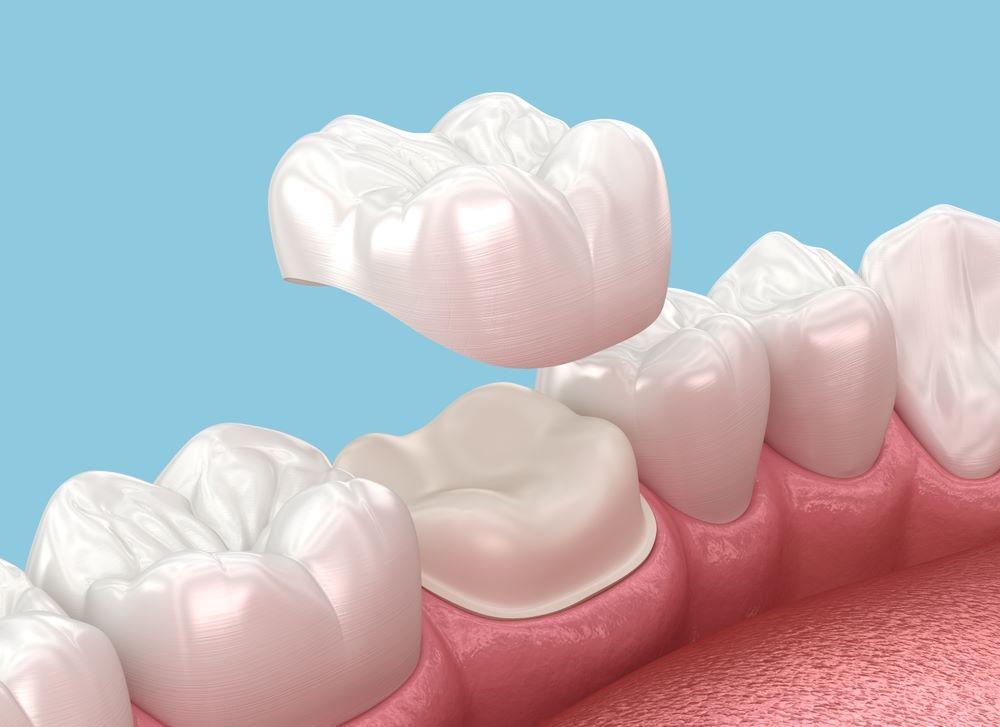
A dental crown is designed to restore the shape, strength, and appearance of a damaged or weakened tooth while maintaining harmony with the surrounding teeth. Although a crown must fit securely over the prepared tooth, its success also depends on how naturally it blends with the rest of the smile. Colour, shape, size, surface texture, and alignment all contribute to a balanced and realistic result.
For patients considering Tooth Crown Dubai, understanding the design process can help clarify why a dental crown involves more than simply choosing a shade of white. The dentist evaluates the existing teeth, examines the bite, considers the natural contours of the smile, and selects suitable materials before the final restoration is created.
At Cornerstone Clinic, dental crown treatment can be discussed in relation to the individual tooth, the patient’s oral health, and their aesthetic preferences. Whether a tooth has been weakened by extensive decay, a large filling, or previous dental treatment, careful planning helps ensure that the crown functions comfortably and complements the surrounding teeth.
Why Does Matching a Dental Crown to Natural Teeth Matter?
A dental crown covers a damaged tooth and restores its visible shape and function. Because the crown becomes part of the smile, it should look consistent with the neighbouring teeth rather than appear noticeably different.
A crown that is too bright, too wide, or incorrectly shaped may stand out even when it fits well. Similarly, a restoration that does not follow the natural alignment of the teeth may affect the overall appearance of the smile.
Matching involves several considerations, including:
- Colour: The crown should complement the shade of adjacent teeth.
- Shape: Its contours should resemble the natural form of the tooth being restored.
- Size: The width, height, and proportions should suit the surrounding teeth.
- Surface texture: Natural teeth reflect light in different ways, so surface characteristics influence realism.
- Alignment: The crown should follow the dental arch and fit comfortably within the bite.
These details are considered together rather than individually. The aim is to create a restoration that looks natural, supports everyday function, and suits the patient’s existing smile.
How Is the Natural Tooth Colour Assessed?
Colour selection is one of the most important stages of crown design. Natural teeth are not always a uniform shade, and their appearance can vary according to lighting, age, enamel characteristics, and the position of each tooth.
During the consultation, the dentist examines the colour of the tooth being restored and compares it with the adjacent teeth. A shade guide may be used to identify an appropriate colour for the crown material.
Understanding Natural Shade Differences
The front teeth may appear lighter than the teeth further back in the mouth. Some teeth have warmer undertones, while others appear cooler or slightly grey. The edges and central areas of a natural tooth can also differ in translucency.
The dentist considers these variations when selecting a suitable shade. For a front tooth, small differences in colour may be particularly noticeable because the restoration is visible when speaking and smiling.
For a back tooth, colour matching remains relevant, although functional requirements and the visibility of the tooth may influence the design priorities.
Why Lighting Matters During Shade Selection
Artificial lighting can change how tooth colour appears. A shade that seems suitable under one light source may look different in daylight or under the lighting used in a dental clinic.
Dentists may assess tooth shades under appropriate lighting conditions and compare the selected shade with nearby teeth. Photographs or digital images may also help communicate colour information to the dental laboratory when needed.
The final shade choice should complement the patient’s natural teeth rather than simply aim for the whitest available option.
How Is the Crown’s Shape Designed?
The shape of a crown affects both its appearance and its ability to function properly. Each tooth has distinctive contours that help it fit within the dental arch and interact with neighbouring teeth.
The dentist evaluates the remaining tooth structure and considers the natural shape of the original tooth. When enough information is available, the existing tooth can provide useful guidance for the restoration. For teeth that have lost substantial structure, the dentist may use the opposite tooth, neighbouring teeth, photographs, or digital records to help plan the shape.
Matching the Natural Contours
A well-designed crown should follow the general anatomy of the tooth it replaces. Front teeth typically have visible contours and edges that influence the appearance of the smile. Premolars and molars have more complex surfaces that contribute to chewing.
The dentist considers the crown’s width, height, curvature, and contact points. The shape should be consistent with the surrounding teeth without creating an artificial or overly uniform appearance.
Preserving Individual Smile Characteristics
Not every natural tooth has perfectly symmetrical edges or identical proportions. Small differences between teeth are normal and contribute to the individuality of a smile.
The crown design should take these characteristics into account. Creating a restoration that is excessively smooth, bulky, or uniform may make it look less natural. The aim is to reproduce suitable features of the existing dentition while restoring the tooth’s intended form.
Which Materials Help a Crown Blend with Surrounding Teeth?
The material selected for a dental crown affects its colour, translucency, strength, and overall appearance. The dentist recommends an option according to the tooth’s location, the amount of remaining tooth structure, bite forces, and aesthetic expectations.
Porcelain and Ceramic Crowns
Porcelain and other dental ceramics can reproduce several optical characteristics of natural teeth. Depending on the material, they may provide translucency and colour variation that help a crown blend with adjacent teeth.
These materials are often considered for visible teeth where appearance is a major priority. The exact ceramic selected depends on the clinical requirements and the dentist’s assessment.
Zirconia Crowns
Zirconia is a ceramic material used for dental restorations. It is available in different formulations, with variations in strength and translucency.
Some zirconia options may be suitable when durability is important, while more translucent formulations may be considered where appearance is also a priority. The choice depends on the position of the tooth, the patient’s bite, and the specific properties of the available material.
Metal-Ceramic Crowns
Metal-ceramic crowns combine a metal structure with a ceramic outer layer. They can provide functional strength alongside a tooth-coloured external surface.
The appearance depends on the design and the amount of ceramic used. For highly visible teeth, the dentist may compare this option with all-ceramic alternatives to determine which best suits the individual case.
How Is the Right Material Chosen?
There is no single crown material that is ideal for every patient. A front tooth may require particular attention to translucency and shade, while a molar may need to withstand substantial chewing pressure.
The dentist balances these requirements before recommending a material. The decision also considers the condition of the tooth, the available space, the bite, and the patient’s preferences.
How Does Digital Technology Support Crown Design?
Digital dental technology can help dentists plan the shape and fit of a crown with greater visual detail. Depending on the clinic’s equipment and the treatment approach, the process may involve digital impressions, computer-aided design, and computer-aided manufacturing.
Digital Impressions and Tooth Records
An intraoral scanner can capture a three-dimensional representation of the teeth and surrounding structures. This digital model helps show the prepared tooth, neighbouring teeth, and the way the teeth meet when the mouth closes.
Digital impressions may be used instead of conventional impression materials in suitable cases. They can also provide information that helps the dental laboratory design a restoration that fits the available space.
Computer-Aided Crown Design
Computer-aided design software allows a crown to be modelled according to the shape of the prepared tooth and the surrounding dental anatomy. The dentist or dental technician can assess the crown’s contours, contact points, and relationship with the opposing teeth.
The digital design must still be evaluated carefully. Technology supports the process, but professional judgement remains important when deciding whether the proposed restoration suits the patient’s oral anatomy.
Laboratory Craftsmanship and Final Adjustments
Depending on the selected material and workflow, the crown may be produced using milling, ceramic layering, or other laboratory techniques. The restoration is then checked for fit, appearance, and functional suitability.
Digital tools can improve the precision of planning, but they do not remove the need for clinical assessment. The dentist remains responsible for confirming that the finished crown meets the treatment objectives.
How Are Bite and Alignment Considered?
A crown must fit naturally into the patient’s bite. Even a visually attractive restoration may require adjustment if it contacts the opposing teeth too early or interferes with normal chewing.
The dentist examines how the upper and lower teeth meet and assesses the relationship between the crown and the neighbouring teeth. The restoration should provide suitable contact without creating an uncomfortable sensation when biting.
Checking Contact With Adjacent Teeth
The crown should maintain appropriate contact with the teeth on either side. Contact that is too tight may make flossing difficult, while insufficient contact may leave a space where food collects.
The dentist checks these areas during the fitting appointment and makes adjustments when necessary. Proper contact helps the restoration integrate with the existing dental arch.
Maintaining a Natural Dental Arch
The crown’s position should complement the alignment of nearby teeth. Its contours should not create an unnecessary bulge or disrupt the natural line of the smile.
The dentist also considers the opposing teeth to ensure that the restoration works comfortably during everyday activities such as eating and speaking.
What Happens During the Dental Crown Consultation?
The consultation establishes the clinical and aesthetic requirements for the restoration. It also allows the patient to explain what they would like to achieve, particularly when the crown will be visible.
The appointment may include an examination of the affected tooth, assessment of the gums, and evaluation of the surrounding teeth. Dental X-rays may be recommended when further information about the tooth’s internal structure or supporting tissues is needed.
The dentist may discuss:
- The reason the crown is required.
- The amount of healthy tooth structure remaining.
- The condition of the surrounding teeth and gums.
- Suitable crown materials and their appearance.
- The preferred shade and shape.
- Bite alignment and the available space.
- The expected treatment stages and the Tooth Crown Cost in Dubai.
The final treatment plan depends on the individual case. Some teeth may require additional treatment before a crown can be placed, while others may be suitable for crown preparation following the initial assessment.
How Is the Final Crown Checked Before Placement?
Before the crown is permanently fitted, the dentist evaluates whether it meets the planned requirements. This stage allows any necessary refinements to be identified.
The crown is assessed for its fit along the prepared tooth, its contact with neighbouring teeth, and its relationship with the opposing teeth. Its shade and shape are also reviewed, particularly when the restoration is located near the front of the mouth.
The dentist may make minor adjustments to the contours or bite before final placement. Once the restoration is fitted, the patient should be able to close their teeth comfortably and maintain normal oral hygiene around the crown.
After placement, regular dental check-ups help the dentist monitor the restoration and the surrounding teeth and gums. Good brushing, daily cleaning between teeth, and appropriate professional care support the long-term maintenance of the crown.
Conclusion
Designing a dental crown to match surrounding teeth requires a combination of clinical assessment, aesthetic planning, suitable material selection, and precise fabrication. Colour is important, but a natural-looking restoration also depends on shape, proportions, surface texture, alignment, and bite.
For anyone considering Tooth Crown Dubai, the design process begins with understanding the condition of the tooth and the characteristics of the existing smile. Digital impressions and laboratory techniques may support the process, while the dentist’s assessment guides the final decisions.
At Cornerstone Clinic, patients can discuss their dental concerns, suitable crown options, and treatment expectations during a consultation. A personalised approach helps ensure that the restoration is planned around both the functional needs of the tooth and the appearance of the surrounding smile.
Frequently Asked Questions
1. How do dentists match a crown to surrounding teeth?
Dentists compare the colour, shape, size, and surface characteristics of nearby teeth. They may use a shade guide, photographs, and digital impressions to help the dental laboratory create a crown that complements the natural smile.
2. Can a dental crown look like a natural tooth?
Yes. Modern ceramic and zirconia materials can be selected and designed to resemble natural teeth. The final appearance depends on material choice, shade selection, tooth anatomy, and the precision of the restoration.
3. Which crown material is best for matching natural teeth?
The most suitable material depends on the tooth’s location, functional requirements, and aesthetic goals. Ceramic crowns may be preferred for visible teeth, while zirconia may be considered where strength and appearance both matter. A dentist can recommend an appropriate option after examining the tooth.
4. Does the dentist choose the crown shade before treatment?
Shade selection is generally planned before the final crown is fabricated. The dentist examines the natural teeth and records the most suitable shade for the dental laboratory. If tooth whitening is planned, discussing its timing before shade selection can help avoid a mismatch.
5. How does digital scanning help with crown design?
Digital scanning creates a three-dimensional record of the teeth and prepared tooth. This information helps guide crown shape, contact with adjacent teeth, and bite alignment. It can also support communication between the dentist and the dental laboratory.
6. Will my crown match if my surrounding teeth are discoloured?
A crown can be designed to complement the existing teeth, but the best approach depends on the degree and pattern of discolouration. Your dentist can discuss whether matching the current shade or considering whitening before selecting the final crown colour is more appropriate.
7. How is the crown’s bite checked before it is fitted?
The dentist checks how the crown contacts the neighbouring and opposing teeth. Bite-checking materials or digital methods may help identify areas requiring adjustment. The goal is to achieve comfortable contact during normal biting and chewing.
8. What determines Tooth Crown Cost in Dubai?
The cost may depend on the crown material, the tooth’s condition, the complexity of the restoration, laboratory requirements, and any additional treatment needed. A dental consultation helps establish the appropriate treatment plan and provide a more accurate cost estimate.
9. Can the crown’s shape be adjusted before final placement?
Yes. During the fitting stage, the dentist evaluates the crown’s contours, contact points, and bite. Minor adjustments may be made where appropriate to improve fit and comfort before the crown is permanently secured.
10. How can I maintain my dental crown after treatment?
Brush twice daily with fluoride toothpaste, clean between your teeth every day, and attend regular dental check-ups. Maintaining healthy gums and good oral hygiene helps protect the natural tooth beneath the crown and the surrounding teeth.