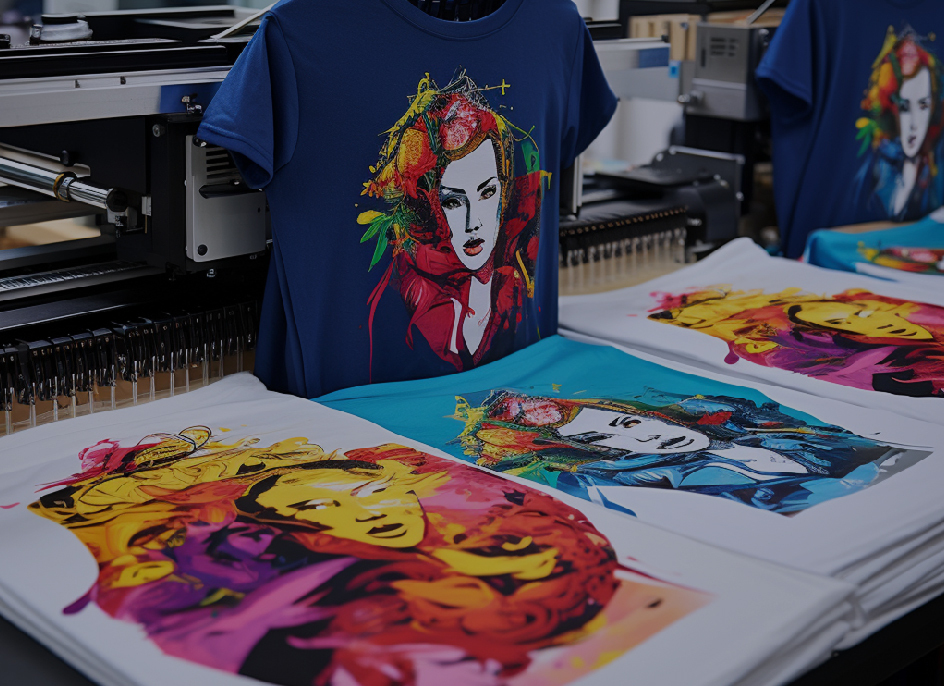
Custom printing plays a major role in modern apparel production. T-shirts, hoodies, sweatshirts, uniforms, streetwear, fitness clothing, and promotional garments often depend on printed graphics to communicate a clear brand identity. However, producing a strong printed garment requires much more than placing artwork on fabric.
The final result depends on several factors, including garment material, ink type, artwork quality, printing method, color accuracy, placement, curing, and quality control. Therefore, clothing brands should plan the decoration process alongside the garment instead of treating printing as the final step.
For apparel brands selling throughout the United States, custom printing can also support consistency across several products. A single design system may appear across T-shirts, hoodies, training tops, and other clothing while still being adjusted to suit each garment.
When brands test fabrics, artwork, colors, and placement before bulk production, they can reduce printing problems and create products that feel more professional.
Key Takeaways
- Screen printing quality depends on the garment, artwork, ink, print setup, curing, and placement working together.
- Custom printing gives brands more control over colors, graphic dimensions, placement, and overall product identity.
- Sampling and wash testing can help identify print problems before larger quantities are produced.
Why Professional Screen Printing Matters
Using professional custom screen printing services allows clothing brands to control important details such as ink colors, graphic size, placement, print texture, and overall finish. This can help businesses create a more consistent product instead of relying only on basic ready-made printing options.
Professional production becomes especially important when graphics are central to the brand. For example, a streetwear business may rely on large back illustrations, while a sportswear brand may need smaller logos or sponsor marks.
Therefore, the printing setup should follow both the garment and the visual direction of the collection.
Start With the Garment Fabric
Screen printing does not produce exactly the same result on every fabric.
Therefore, brands should understand the garment material before approving inks and artwork.
Cotton
Cotton is commonly used for printed T-shirts and casual clothing.
Its surface can support many types of screen-printing inks.
However, the final print can still vary depending on fabric texture, weight, and finishing.
Smooth cotton usually allows cleaner detail.
Meanwhile, rougher fabrics may create a more textured result.
Cotton-Polyester Blends
Blended fabrics are widely used for T-shirts, sweatshirts, and casual apparel.
They can offer improved durability and shape retention.
However, the polyester content may affect the printing process.
Therefore, test printing can help confirm the correct setup.
Polyester
Polyester is common in performance clothing and sportswear.
However, printing polyester can create challenges because fabric dyes may react with heat.
Therefore, suitable inks and curing temperatures are important.
Fleece
Hoodies and sweatshirts often use fleece.
The thicker and softer surface can influence print sharpness.
Therefore, printing methods may need adjustment compared with a smooth T-shirt.
Artwork Quality Affects the Finished Print
A high-quality garment cannot fix poor artwork.
Therefore, brands should prepare graphics correctly before production.
Vector artwork is often useful because it can be resized without losing sharpness.
Simple Logos
Simple logos with solid shapes and clean lines are often easier to reproduce consistently.
They may also require fewer screens.
Therefore, production setup can be more straightforward.
Detailed Illustrations
Detailed graphics can also work with screen printing.
However, fine elements may require specific screen mesh, halftones, or artwork preparation.
Therefore, brands should review whether very small details will remain visible at the chosen print size.
Screen Printing Uses Separate Color Layers
Traditional screen printing usually creates individual screens for different colors.
Therefore, artwork complexity can affect production setup.
One-Color Printing
One-color designs can work well for:
- Logos
- Text
- Simple symbols
- Minimal streetwear graphics
- Corporate branding
They can create a clean result while keeping the setup simple.
Multi-Color Printing
Multi-color artwork requires more alignment.
Each color should sit in the correct position relative to the others.
This process is known as registration.
Poor registration can make edges look blurry or misaligned.
Therefore, quality checks are important before full production begins.
Ink Selection Influences Look and Feel
Different inks can produce different textures and appearances.
Therefore, brands should select ink according to the fabric and design.
Plastisol Ink
Plastisol is commonly used for apparel printing.
It provides strong coverage and can create bright colors.
However, heavy layers may feel thicker on the garment.
Water-Based Ink
Water-based printing can create a softer feel on suitable fabrics.
The ink may feel more integrated into the garment rather than sitting heavily on top.
However, production requirements can differ from plastisol.
Specialty Inks
Streetwear brands may also use specialty printing effects.
Examples include:
- Puff ink
- High-density printing
- Metallic effects
- Reflective effects
- Textured printing
These techniques can create more distinctive garments.
However, they should be tested carefully.
Print Placement Can Change the Entire Design
A good graphic can look incorrect if it is placed badly.
Therefore, brands should define print placement clearly.
Common positions include:
- Center chest
- Left chest
- Full front
- Full back
- Upper back
- Sleeve
- Lower front
- Hood
- Pocket area
Measurements should be used instead of relying only on visual judgment.
For example, a chest logo can be positioned a specific distance from the neckline and center line.
This helps maintain consistency across multiple garments.
Print Size Should Match the Garment
A design should be scaled according to the garment.
A graphic that looks balanced on a standard T-shirt may look too small on an oversized hoodie.
Likewise, a very large print may overwhelm a fitted shirt.
Therefore, brands should review artwork dimensions on the actual sample.
Small Branding
Small graphics often work well for chest logos, sleeves, or subtle brand marks.
Medium Graphics
Medium designs can support front or back branding without covering most of the garment.
Oversized Graphics
Large prints are popular in streetwear.
However, they can influence garment flexibility and breathability.
Therefore, ink thickness and artwork coverage should be considered.
Puff Printing Can Add Texture
Puff printing creates a raised effect after the ink is cured.
It is often used for logos, typography, and selected graphic areas.
This technique can give garments a more dimensional appearance.
However, not every artwork is suitable.
Very fine details may lose definition.
Therefore, puff printing works best when the design is created specifically for the effect.
High-Density Printing Creates a Premium Finish
High-density printing can produce a more controlled raised surface.
It is commonly used for:
- Small logos
- Lettering
- Geometric details
- Premium streetwear graphics
The final result can feel more structured than a basic flat print.
However, the printing setup is more specialized.
Therefore, brands should review a sample before bulk production.
Halftone Printing Supports Detailed Artwork
Screen printing can also create shading through halftones.
Halftones use small dots to create the appearance of different tones.
This method can help reproduce:
- Portrait-style graphics
- Illustrations
- Shadows
- Gradients
- Photo-inspired artwork
However, screen mesh and artwork preparation need to support the detail.
Therefore, high-resolution source artwork remains important.
Fabric Color Influences Print Color
The base garment color can affect how the ink appears.
For example, bright yellow ink may look different on a black hoodie than on a white T-shirt.
Therefore, darker garments often require an underbase.
What Is an Underbase?
An underbase is usually a lighter ink layer printed beneath the final colors.
It helps bright inks remain more visible on dark garments.
However, it can also increase print thickness.
Therefore, printers need to balance coverage with garment feel.
Pantone References Can Improve Color Matching
Brand colors should remain as consistent as possible.
Therefore, providing Pantone references can help communicate the target shade.
However, exact appearance may still vary depending on:
- Fabric color
- Ink type
- Underbase
- Curing
- Number of print passes
For this reason, a physical sample is often more useful than relying only on a digital screen.
Screen Printing Should Be Planned With Garment Design
Printing works best when it is considered during garment development.
For example, artwork should not accidentally run into a pocket or seam unless that effect is intentional.
Likewise, an oversized graphic may need to account for dropped shoulders or unusual panel construction.
Therefore, brands should review the garment pattern and print design together.
This approach is especially important for custom streetwear.
Combining Printing With Custom Garments
A brand does not need to print only on standard blanks.
Working with a custom apparel manufacturer can allow the garment and decoration to be developed as one product, including custom measurements, colors, labels, graphics, and finishing details.
For example, a brand may create a heavyweight oversized T-shirt specifically designed for a large back print.
Likewise, a hoodie may be developed with wider proportions so an oversized graphic fits naturally.
This level of planning can help create a more distinctive final product.
Screen Printing T-Shirts
T-shirts remain one of the most common screen-printed garments.
However, several details should still be considered.
Fabric Surface
Smooth fabrics can help maintain sharp graphic edges.
Fabric Weight
Heavier T-shirts may support bold graphics differently from lightweight shirts.
Neckline and Fit
Oversized or boxy fits may require different artwork dimensions from standard T-shirts.
Therefore, the garment sample and print should be approved together.
Screen Printing Hoodies
Hoodies provide large areas for graphic decoration.
Common placements include the front chest, back, sleeves, and sometimes the hood.
However, hoodie printing requires careful planning around:
- Kangaroo pockets
- Zippers
- Seams
- Hood placement
- Fleece texture
- Ribbing
A large front print, for example, should not interfere with a kangaroo pocket unless the design is specifically intended to cross it.
Screen Printing Sweatshirts
Crewneck sweatshirts can provide a clean surface for artwork.
They are often used for:
- Large front graphics
- Back prints
- Chest logos
- Sleeve printing
Because the fabric is generally heavier than a T-shirt, the garment may support different print techniques.
However, sampling remains useful.
Printing on Sportswear
Sportswear may use polyester or blended performance fabrics.
Therefore, standard printing methods should not automatically be applied without testing.
Heat, stretch, and dye migration can all influence the final result.
Small team logos, sponsor marks, and training graphics may require flexible printing methods.
Therefore, the fabric and use of the garment should guide the printing process.
Screen Printing and Embroidery Can Be Combined
Using more than one decoration method can create a stronger product.
For example, a hoodie may include:
- Small embroidered chest logo
- Large printed back design
- Woven hem label
Likewise, a T-shirt may use a screen-printed graphic with an embroidered sleeve mark.
This can add depth to the garment.
However, brands should avoid adding decoration only for the sake of adding more detail.
Each element should support the overall design.
Private Labels Complete the Product
Printed garments can also include private-label details.
Main Labels
Main labels display the brand name or logo.
Size Labels
Size labels help customers choose the correct garment.
Care Labels
Care labels can show fabric composition and washing instructions.
Printed Neck Labels
Some T-shirts use printed branding inside the neckline.
This can provide a cleaner interior finish.
Woven Labels
Small woven labels can appear around hems, pockets, or side seams.
These details can make the garment feel more complete.
Hangtags Can Strengthen Presentation
Hangtags can provide extra product and brand information.
They may include:
- Brand logo
- Product name
- Size
- Price
- Website
- Collection name
- Care information
A consistent hangtag design can help connect several products within the same collection.
Packaging Supports the Brand Experience
Packaging becomes particularly important for online clothing businesses.
Customers may interact with the package before they see the garment.
Therefore, presentation can influence the overall experience.
Brands may use:
- Custom bags
- Stickers
- Branded boxes
- Tissue paper
- Product inserts
However, packaging costs and shipping efficiency should also be considered.
Sampling Before Bulk Printing Is Essential
A physical printed sample gives brands the opportunity to review the actual result.
Important checks include:
- Print dimensions
- Placement
- Color
- Ink texture
- Graphic sharpness
- Registration
- Fabric reaction
- Overall appearance
If anything needs adjustment, the print setup can be corrected before bulk production.
This can prevent the same mistake from appearing across a large number of garments.
Curing Determines Print Durability
Screen printing requires proper curing.
The ink needs the correct heat and time to perform well.
If the print is not cured enough, it may crack or wash away.
However, excessive heat can also affect some fabrics.
Therefore, curing settings should match both the ink system and garment material.
Wash Testing Helps Check Real-World Performance
A print can look perfect immediately after production but perform poorly after washing.
Therefore, wash testing is important.
Brands can review:
- Cracking
- Peeling
- Fading
- Shrinkage
- Color changes
- Print distortion
Testing multiple washes can provide a better understanding of durability.
Low MOQ Printing Can Help New Brands
Startup clothing brands may not want to order large quantities immediately.
Therefore, smaller initial runs can help test a product.
Brands can evaluate:
- Popular graphics
- Customer response
- Best-selling colors
- Size demand
- Print quality
- Pricing
If the first order performs well, production can increase.
However, small quantities still require proper artwork and quality control.
Bulk Printing Requires Repeatable Standards
As quantities increase, consistency becomes more important.
Each garment should have similar:
- Print size
- Placement
- Color
- Ink coverage
- Registration
- Curing
Therefore, manufacturers should use approved specifications throughout the order.
Small inconsistencies become much more noticeable across hundreds of units.
Quality Control Should Continue Throughout Production
Quality inspection should happen at several stages.
Garment Inspection
Garments should be checked before printing.
Screen Inspection
Screens should match the approved artwork.
Registration Checks
Multi-color graphics should remain aligned.
Ink Checks
Colors and consistency should match the approved sample.
Placement Review
Graphics should appear in the correct position.
Curing Check
Prints should be fully cured.
Final Inspection
Finished garments should be reviewed before packing.
These checks can improve overall consistency.
Keep Printing Specifications for Reorders
Successful designs may be reproduced several times.
Therefore, brands should store their approved specifications.
Useful information can include:
- Artwork files
- Print dimensions
- Pantone references
- Ink type
- Print placement
- Garment color
- Underbase requirements
- Special effects
- Approved sample information
Maintaining these records can make future orders more consistent.
Build a Complete Printed Apparel Collection
Screen printing can support an entire apparel range rather than only one T-shirt.
A brand may develop:
Graphic T-Shirts
T-shirts can serve as the foundation of a printed clothing collection.
Hoodies
Hoodies provide more space for large graphics and textured effects.
Sweatshirts
Crewnecks offer another option for bold front and back prints.
Shorts
Small prints or logos can extend branding to casual bottoms.
Sportswear
Performance products can carry team or brand graphics when the decoration method suits the fabric.
Planning these products around one visual system can help create a stronger brand identity.
Final Thoughts
Custom screen printing is more than an apparel decoration technique. It can become an important part of a clothing brand’s product identity.
However, strong results depend on careful planning.
Artwork needs to be prepared correctly. Fabric should match the printing method. Ink selection, placement, curing, and color control all affect the finished product.
Sampling before bulk production can help identify problems with graphic size, placement, color, or durability. Meanwhile, structured quality control can improve consistency across larger orders.
When printing and garment development are planned together, brands can create clothing that looks more professional, communicates a clearer identity, and provides a stronger foundation for future apparel collections.