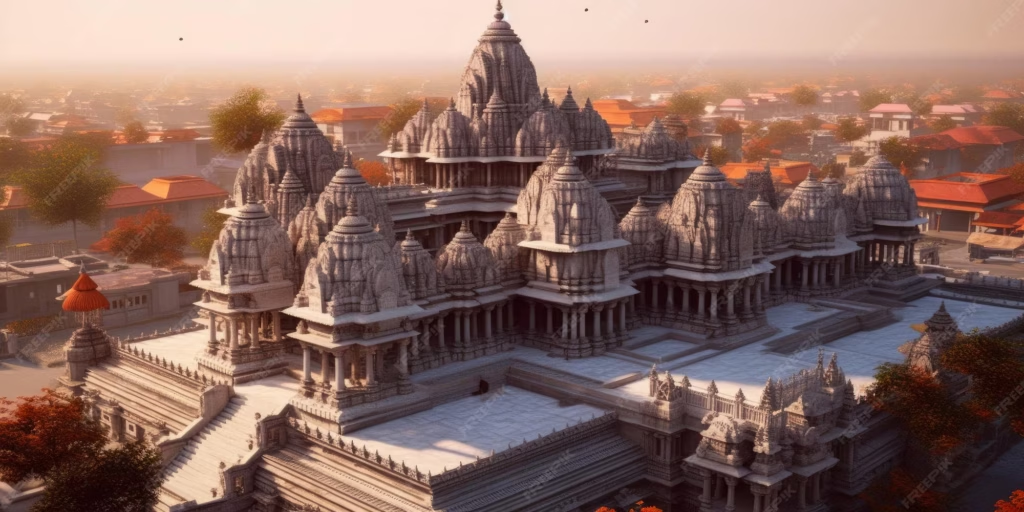
Ayodhya, one of the most sacred cities in India, is steeped in mythology, spirituality, and cultural heritage. When travelers search for Ayodhya visiting places, they are often seeking a blend of devotion, history, and vibrant traditions that make this ancient city a timeless destination. Situated on the banks of the serene Sarayu River in Uttar Pradesh, Ayodhya is revered as the birthplace of Lord Rama and is a cornerstone of Hindu pilgrimage. Beyond its spiritual aura, the city offers architectural marvels, bustling ghats, and cultural experiences that captivate every visitor.
Why Ayodhya is Special
- Spiritual Significance: Known as one of the seven most important pilgrimage sites for Hindus.
- Cultural Heritage: A hub of temples, ghats, and festivals like Deepotsav.
- Historical Importance: Mentioned in ancient scriptures like the Ramayana.
- Modern Attraction: With the construction of the grand Ram Mandir, Ayodhya has become a global spiritual tourism hotspot.
Top Ayodhya Visiting Places
1. Ram Janmabhoomi (Ram Mandir)
- The most iconic site in Ayodhya, believed to be the birthplace of Lord Rama.
- The newly constructed Ram Mandir is a magnificent blend of traditional architecture and modern engineering.
- Pilgrims from across the world visit to witness the grandeur and seek blessings.
2. Hanuman Garhi
- A fortress-like temple dedicated to Lord Hanuman.
- Located in the heart of the city, it requires climbing 76 steps to reach the sanctum.
- Devotees believe Hanuman guards Ayodhya, making this temple a must-visit.
3. Kanak Bhawan
- A temple gifted to Goddess Sita by Queen Kaikeyi after her marriage to Lord Rama.
- Known for its exquisite idols of Rama and Sita adorned with gold ornaments.
- A serene place that reflects marital devotion and divine love.
4. Nageshwarnath Temple
- Dedicated to Lord Shiva, believed to have been established by Kush, son of Lord Rama.
- Famous for its Shivratri celebrations.
- A blend of Shaivite and Vaishnavite traditions.
5. Dashrath Bhavan
- The royal residence of King Dashrath, father of Lord Rama.
- Now a temple complex with vibrant murals and devotional activities.
- A cultural hotspot during Ram Navami celebrations.
6. Ram Ki Paidi
- A series of ghats along the Sarayu River.
- Ideal for evening aarti and spiritual bathing.
- Offers mesmerizing views during sunrise and sunset.
7. Treta Ke Thakur
- A temple housing idols of Lord Rama, Sita, Lakshman, and Hanuman carved out of black stone.
- Associated with the Ashwamedha Yagna performed by Lord Rama.
8. Sita Ki Rasoi
- A symbolic kitchen believed to have been used by Goddess Sita.
- Contains idols of Sita, Ram, Lakshman, Bharat, and Shatrughna.
- A unique cultural site blending mythology with domestic symbolism.
9. Tulsi Smarak Bhavan
- Built in memory of Goswami Tulsidas, author of Ramcharitmanas.
- Hosts cultural programs, Ramayana recitals, and exhibitions.
10. Gulab Bari
- A Mughal-style garden and mausoleum of Nawab Shuja-ud-Daula.
- Known for its rose gardens and Indo-Islamic architecture.
- Reflects Ayodhya’s syncretic cultural past.
Festivals and Cultural Experiences
- Deepotsav: Ayodhya lights up with millions of diyas during Diwali, creating a world-record spectacle.
- Ram Navami: Celebrates the birth of Lord Rama with grand processions and rituals.
- Shravan Jhula Mela: A unique festival where idols of Rama and Sita are placed on swings.
Travel Tips
- Best Time to Visit: October to March for pleasant weather and festive celebrations.
- Local Cuisine: Try traditional sweets like gujiya, peda, and kachori.
- Shopping: Handicrafts, religious souvenirs, and Ramayana-themed artifacts.
- Connectivity: Ayodhya is well-connected by rail, road, and the newly inaugurated airport.
Suggested Itinerary
Day 1: Ram Janmabhoomi, Hanuman Garhi, Kanak Bhawan
Day 2: Dashrath Bhavan, Ram Ki Paidi, Treta Ke Thakur
Day 3: Nageshwarnath Temple, Sita Ki Rasoi, Tulsi Smarak Bhavan, Gulab Bari
Modern Developments
- The Ram Mandir project has transformed Ayodhya into a global spiritual tourism hub.
- Improved infrastructure, hotels, and guided tours make it accessible for international visitors.
- Ayodhya is being positioned as a cultural capital with heritage walks and eco-tourism initiatives.
Conclusion
Ayodhya is not just a city; it is an emotion, a living testament to India’s spiritual and cultural ethos. From the grandeur of Ram Mandir to the simplicity of Sita Ki Rasoi, every corner narrates a story of devotion, resilience, and heritage. For travelers seeking peace, history, and divine connection, Ayodhya visiting places offer an unforgettable journey into the heart of Indian spirituality.