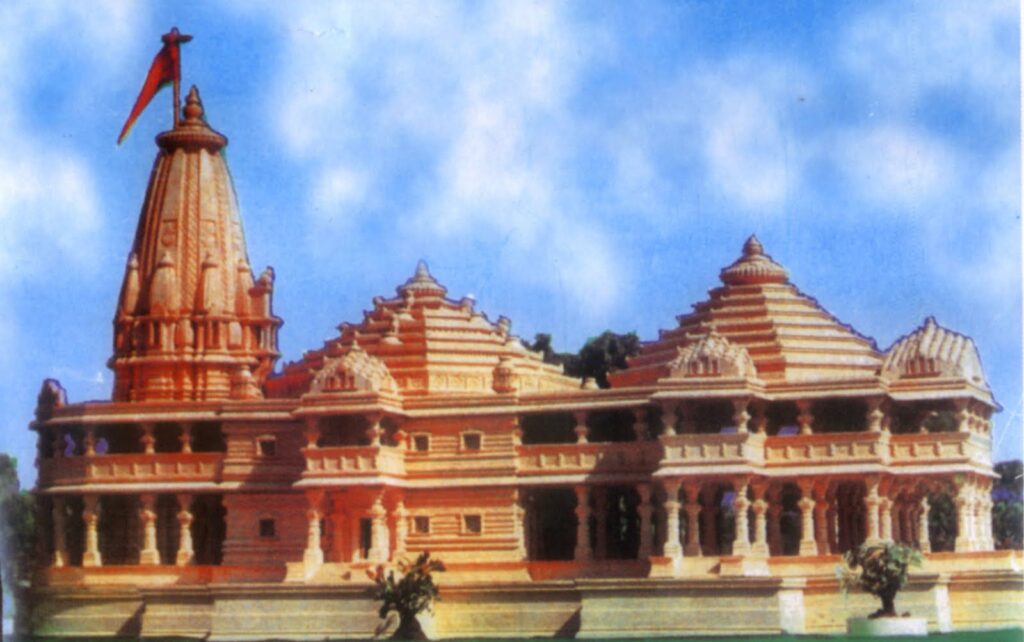
Ayodhya, nestled on the banks of the sacred Sarayu River in Uttar Pradesh, is one of India’s most revered spiritual destinations. When travelers search for Ayodhya tourist places, they are often drawn to its timeless connection with Lord Rama, its vibrant temples, and its cultural festivals that illuminate the city with devotion and grandeur. Known as the birthplace of Lord Rama, Ayodhya is not just a pilgrimage site but also a cultural hub that blends mythology, architecture, and living traditions.
Why Ayodhya is a Must-Visit
- Spiritual Capital: One of the seven holiest cities for Hindus.
- Cultural Heritage: Rich in temples, ghats, and festivals.
- Historical Significance: Mentioned in the Ramayana and other scriptures.
- Modern Tourism Hub: With the Ram Mandir, Ayodhya is now a global attraction.
Top Ayodhya Tourist Places
1. Ram Janmabhoomi (Ram Mandir)
- Believed to be the birthplace of Lord Rama.
- The newly built Ram Mandir is a marvel of traditional Indian architecture.
- Pilgrims and tourists alike flock here to witness its grandeur.
2. Hanuman Garhi
- A fortress-like temple dedicated to Lord Hanuman.
- Requires climbing 76 steps to reach the sanctum.
- Considered the guardian temple of Ayodhya.
3. Kanak Bhawan
- Gifted to Goddess Sita by Queen Kaikeyi.
- Houses beautifully adorned idols of Rama and Sita.
- Known for its peaceful atmosphere and golden decorations.
4. Nageshwarnath Temple
- Established by Kush, son of Lord Rama.
- Dedicated to Lord Shiva, blending Shaivite and Vaishnavite traditions.
- Famous for Shivratri celebrations.
5. Dashrath Bhavan
- The royal residence of King Dashrath.
- Now a temple complex with vibrant murals.
- A cultural hotspot during Ram Navami.
6. Ram Ki Paidi
- A series of ghats along the Sarayu River.
- Ideal for evening aarti and spiritual bathing.
- Offers mesmerizing views at sunrise and sunset.
7. Treta Ke Thakur
- Houses idols of Rama, Sita, Lakshman, and Hanuman carved from black stone.
- Associated with the Ashwamedha Yagna performed by Lord Rama.
8. Sita Ki Rasoi
- A symbolic kitchen believed to have been used by Goddess Sita.
- Contains idols of Sita, Ram, Lakshman, Bharat, and Shatrughna.
9. Tulsi Smarak Bhavan
- Built in memory of Goswami Tulsidas, author of Ramcharitmanas.
- Hosts Ramayana recitals and cultural programs.
10. Gulab Bari
- A Mughal-style garden and mausoleum of Nawab Shuja-ud-Daula.
- Known for its rose gardens and Indo-Islamic architecture.
- Reflects Ayodhya’s syncretic past.
Festivals and Cultural Experiences
- Deepotsav: Millions of diyas light up Ayodhya during Diwali.
- Ram Navami: Celebrates Lord Rama’s birth with grand processions.
- Shravan Jhula Mela: Idols of Rama and Sita are placed on swings.
Travel Tips
- Best Time to Visit: October to March.
- Local Cuisine: Try peda, kachori, and gujiya.
- Shopping: Handicrafts, Ramayana-themed souvenirs.
- Connectivity: Accessible by rail, road, and the new airport.
Suggested Itinerary
Day 1: Ram Janmabhoomi, Hanuman Garhi, Kanak Bhawan
Day 2: Dashrath Bhavan, Ram Ki Paidi, Treta Ke Thakur
Day 3: Nageshwarnath Temple, Sita Ki Rasoi, Tulsi Smarak Bhavan, Gulab Bari
Modern Developments
- The Ram Mandir project has elevated Ayodhya’s global profile.
- Improved infrastructure and hotels cater to international visitors.
- Heritage walks and eco-tourism initiatives are being introduced.
Conclusion
Ayodhya is more than a destination—it is a living embodiment of India’s spiritual and cultural ethos. From the grandeur of Ram Mandir to the simplicity of Sita Ki Rasoi, every site tells a story of devotion and heritage. For travelers seeking peace, history, and divine connection, Ayodhya tourist places offer an unforgettable journey into the heart of Indian spirituality.