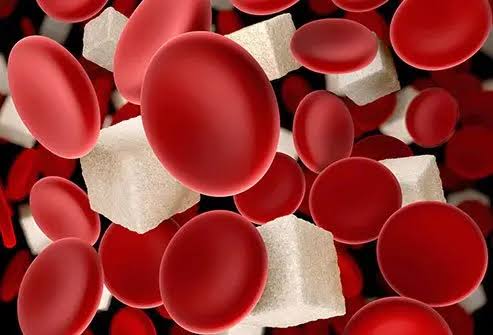
High blood sugar, also known as hyperglycemia, is becoming increasingly common due to modern lifestyles, unhealthy eating habits, stress, and reduced physical activity. While occasional increases in blood sugar are normal after meals, consistently high blood sugar can lead to serious health complications if left unmanaged.
What Is High Blood Sugar?
Blood sugar, or blood glucose, is the body’s primary source of energy. It comes from the food you eat, especially carbohydrates. The hormone insulin helps move glucose from your bloodstream into your cells where it is used for energy.
When your body doesn’t produce enough insulin or cannot use insulin effectively, glucose builds up in the bloodstream, leading to high blood sugar.
Occasional increases are normal, but persistently elevated blood sugar may increase the risk of long-term health problems affecting the heart, kidneys, eyes, and nerves.
Symptoms of High Blood Sugar
Recognizing the early symptoms can help you take action before complications develop.
Common symptoms include:
- Increased thirst
- Frequent urination
- Constant hunger
- Fatigue
- Blurred vision
- Dry mouth
- Headaches
- Slow healing cuts
- Frequent infections
- Unexpected weight changes
Some people experience very mild symptoms, making regular health checkups important.
Causes of High Blood Sugar
Several factors can contribute to elevated blood sugar levels.
Poor Diet
Eating excessive amounts of sugary foods, refined carbohydrates, and processed snacks can cause repeated blood sugar spikes.
Physical Inactivity
Exercise helps muscles use glucose more efficiently. A sedentary lifestyle may reduce insulin sensitivity.
Stress
Stress hormones like cortisol can temporarily raise blood sugar levels.
Lack of Sleep
Poor sleep affects hormone balance and insulin function.
Excess Body Weight
Carrying extra body fat, especially around the abdomen, is linked with insulin resistance.
Certain Medications
Some medications, including steroids, may increase blood sugar levels.
Medical Conditions
Conditions affecting hormone balance or insulin production can contribute to chronic high blood sugar.
How to Lower Blood Sugar Naturally
Many healthy lifestyle habits may support balanced blood sugar.
Eat Balanced Meals
Include:
- Lean protein
- Healthy fats
-
Fiber-rich vegetables
- Whole grains
- Healthy carbohydrates in moderation
Balanced meals slow glucose absorption.
Increase Fiber Intake
Fiber supports healthy digestion and may reduce rapid blood sugar spikes.
Good sources include:
- Vegetables
- Beans
- Lentils
- Chia seeds
- Flaxseeds
- Oats
Drink Enough Water
Proper hydration helps maintain overall metabolic function.
Reduce Added Sugar
Replace sugary drinks with:
- Water
- Herbal tea
- Sparkling water
- Unsweetened beverages
Natural Ways to Manage High Blood Sugar
Natural management focuses on long-term healthy habits rather than quick fixes.
Effective approaches include:
- Maintaining a healthy body weight
- Eating regular meals
- Managing stress
- Sleeping 7–9 hours
- Staying physically active
- Limiting processed foods
- Choosing high-fiber foods
Small daily improvements often lead to meaningful long-term benefits.
How to Control Blood Sugar Naturally
Natural blood sugar control depends on consistency.
Helpful strategies include:
Choose Complex Carbohydrates
Examples:
- Brown rice
- Quinoa
- Oats
- Sweet potatoes
These digest more slowly than refined carbohydrates.
Pair Carbohydrates with Protein
Protein slows digestion and promotes steadier energy.
Good combinations include:
- Apple with peanut butter
- Greek yogurt with berries
- Eggs with whole-grain toast
Eat Mindfully
Eating slowly may help prevent overeating and support healthy digestion.
Foods to Lower Blood Sugar Naturally
While no single food can cure high blood sugar, many nutritious foods support healthy glucose regulation.
Excellent choices include:
Leafy Greens
- Spinach
- Kale
- Swiss chard
Rich in vitamins, minerals, and fiber.
Whole Grains
- Oats
- Barley
- Brown rice
Contain more fiber than refined grains.
Beans and Lentils
Excellent sources of plant protein and fiber.
Nuts
- Almonds
- Walnuts
- Pistachios
Provide healthy fats that support fullness.
Fatty Fish
- Salmon
- Sardines
- Mackerel
Rich in omega-3 fatty acids.
Berries
Naturally sweet while providing antioxidants and fiber.
Cinnamon
Some research suggests cinnamon may support healthy blood sugar when consumed as part of a balanced diet.
Best Diet for High Blood Sugar
A balanced eating pattern can make a significant difference.
Aim to include:
Plenty of Vegetables
Fill half your plate with non-starchy vegetables.
Lean Protein
Examples include:
- Chicken
- Fish
- Eggs
- Tofu
- Lentils
Healthy Fats
Choose:
- Olive oil
- Avocados
- Nuts
- Seeds
High-Fiber Carbohydrates
Include:
- Whole grains
- Beans
- Fruits
- Vegetables
Avoid excessive consumption of:
- Sugary beverages
- Candy
- White bread
- Pastries
- Highly processed snacks
Blood Sugar Management Tips
Simple daily habits can help support stable blood sugar.
- Eat meals on a regular schedule.
- Avoid skipping breakfast.
- Read nutrition labels.
- Stay hydrated.
- Monitor portion sizes.
- Reduce sugary drinks.
- Get enough sleep.
- Stay active every day.
- Manage stress.
- Keep regular healthcare appointments if recommended.
How to Maintain Healthy Blood Sugar
Maintaining healthy blood sugar requires consistency rather than perfection.
Helpful habits include:
- Planning balanced meals
- Staying physically active
- Limiting highly processed foods
- Drinking adequate water
- Maintaining a healthy weight
- Sleeping well
- Monitoring blood sugar if advised by your healthcare provider
Healthy habits practiced over time are more effective than temporary diets.
Natural Remedies for High Blood Sugar
Some natural foods and herbs have been studied for their potential role in supporting healthy blood sugar. They should complement—not replace—medical care.
Common options include:
- Cinnamon
- Fenugreek
- Bitter melon
- Aloe vera
- Apple cider vinegar (used cautiously)
- Chromium-rich foods
- Magnesium-rich foods
Always consult a healthcare professional before using herbal remedies, especially if you take medications that affect blood sugar.
Lifestyle Changes for Healthy Blood Sugar
Healthy daily routines can have a lasting impact.
Consider these changes:
Reduce Stress
Try:
- Meditation
- Deep breathing
- Yoga
- Spending time outdoors
Quit Smoking
Smoking increases the risk of cardiovascular disease and may worsen insulin resistance.
Limit Alcohol
Drink in moderation, if at all, and avoid sugary mixers.
Build Healthy Habits
Focus on gradual improvements that are easier to maintain.
How to Prevent Blood Sugar Spikes
Preventing sharp increases in blood sugar can support consistent energy levels.
Helpful strategies include:
- Eat smaller, balanced meals.
- Include protein with every meal.
- Choose whole grains instead of refined grains.
- Avoid sugary beverages.
- Increase fiber intake.
- Take a short walk after meals.
- Avoid overeating.
- Eat slowly.
These habits help support steadier glucose levels throughout the day.
SugarMute: A Dietary Supplement to Consider
Educational guide that explores what to look for in a blood sugar support supplement. It explains the role of balanced nutrition, healthy lifestyle habits, and dietary supplements in supporting overall wellness. Readers can learn about common ingredients found in blood sugar support formulas Sugar Mute, potential benefits, and important factors to consider before choosing a supplement. This information is intended to help individuals make informed decisions while understanding that dietary supplements work best alongside a healthy diet, regular exercise, and guidance from a healthcare professional.
Best Exercises for Blood Sugar Control
Physical activity helps muscles use glucose more efficiently.
Walking
A 20–30 minute brisk walk after meals may help support healthy blood sugar.
Strength Training
Building muscle improves insulin sensitivity.
Examples include:
- Resistance bands
- Dumbbells
- Bodyweight exercises
Cycling
Supports cardiovascular health while improving glucose utilisation.
Swimming
A low-impact option suitable for many adults.
Yoga
May improve flexibility while reducing stress.
Interval Training
Short bursts of higher-intensity movement may improve insulin sensitivity for some individuals.
Aim for at least 150 minutes of moderate physical activity each week, along with muscle-strengthening exercises on two or more days if appropriate for your fitness level.
When to See a Healthcare Professional
Natural strategies can support healthy blood sugar, but persistent or severe symptoms require medical evaluation.
Seek medical advice if you experience:
- Ongoing high blood sugar readings
- Extreme thirst
- Frequent urination
- Unexplained weight loss
- Blurred vision
- Persistent fatigue
- Slow-healing wounds
Early diagnosis and treatment can help reduce the risk of complications.
Final Thoughts
Understanding what causes high blood sugar and how to manage it naturally empowers you to make healthier daily choices. Eating a balanced diet, staying active, managing stress, getting quality sleep, and maintaining a healthy weight can all support healthy blood sugar levels.
Remember that natural approaches work best when practiced consistently and should complement professional medical advice—not replace it. If you have concerns about your blood sugar or symptoms of diabetes, consult a qualified healthcare provider for personalized guidance.