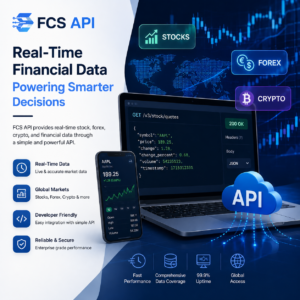
In today’s fast-paced business environment, data is the new currency. Among all forms of data, financial information remains the most critical for decision-making, growth, and sustainability. Analyzing Financial Data is not just about crunching numbers—it’s about interpreting patterns, identifying risks, and uncovering opportunities. This article explores the importance of financial data analysis, the methods used, and how organizations can leverage insights to drive success.
Why Analyzing Financial Data Matters
Financial data provides a window into the health of a business. By Analyzing Financial Data, companies can:
- Measure performance: Assess profitability, efficiency, and growth.
- Identify risks: Spot potential issues before they escalate.
- Support decision-making: Guide investments, expansions, and cost control.
- Ensure compliance: Meet regulatory requirements with accurate reporting.
- Build investor confidence: Transparent data builds trust among stakeholders.
Key Sources of Financial Data
Before diving into analysis, it’s important to understand where financial data comes from:
- Income statements: Show revenues, expenses, and net income.
- Balance sheets: Provide a snapshot of assets, liabilities, and equity.
- Cash flow statements: Track inflows and outflows of cash.
- Budgets and forecasts: Offer projections for future performance.
- Operational data: Includes sales figures, payroll, and inventory records.
Techniques for Analyzing Financial Data
There are several methods used to evaluate financial data. Each provides unique insights.
1. Ratio Analysis
Ratios help assess liquidity, profitability, solvency, and efficiency.
- Liquidity ratios: Current ratio, quick ratio.
- Profitability ratios: Net profit margin, return on equity.
- Solvency ratios: Debt-to-equity ratio.
- Efficiency ratios: Inventory turnover, receivables turnover.
2. Trend Analysis
Examines financial data over time to identify patterns.
Example: Tracking revenue growth over five years.
3. Comparative Analysis
Benchmarks performance against competitors or industry averages.
Example: Comparing profit margins with industry leaders.
4. Variance Analysis
Compares actual performance with budgets or forecasts.
Example: Identifying overspending in marketing compared to planned budgets.
5. Predictive Analytics
Uses historical data and AI tools to forecast future performance.
Example: Predicting cash flow shortages based on seasonal trends.
Benefits of Analyzing Financial Data
For businesses and stakeholders, the benefits are substantial:
- Improved decision-making: Data-driven insights guide strategy.
- Risk management: Early detection of financial issues.
- Operational efficiency: Identifies areas for cost control.
- Investor confidence: Transparent reporting builds trust.
- Growth opportunities: Highlights profitable segments.
Case Study: Financial Data Analysis in Action
A retail company was experiencing declining profits despite steady sales. By Analyzing Financial Data, management discovered:
- Rising operating expenses due to inefficient supply chain.
- High debt-to-equity ratio increasing interest costs.
- Low inventory turnover indicating overstocking.
Based on these insights, the company streamlined operations, renegotiated loans, and optimized inventory. Within a year, profitability improved by 18%.
Challenges in Financial Data Analysis
While powerful, financial data analysis has limitations:
- Data accuracy: Errors or manipulation can mislead stakeholders.
- Complexity: Large datasets require advanced tools and expertise.
- Time lag: Financial data often reflects past performance.
- Bias risks: Poorly designed models may lead to unfair conclusions.
- Integration issues: Legacy systems may not support modern analytics.
Future Trends in Financial Data Analysis
The future of Analyzing Financial Data is being shaped by technology:
- AI-powered analytics: Automated insights from large datasets.
- Real-time reporting: Continuous monitoring of financial health.
- Integrated dashboards: Combining financial and non-financial metrics.
- Predictive modeling: Forecasting future performance using historical data.
- Blockchain transparency: Secure, tamper-proof financial records.
How Businesses Can Leverage Financial Data Analysis
To maximize benefits, businesses should:
- Standardize reporting: Ensure consistency in accounting practices.
- Use technology: Adopt financial analysis software for efficiency.
- Train staff: Build financial literacy across departments.
- Engage experts: Consult financial analysts for deeper insights.
- Integrate strategy: Align financial analysis with business goals.
Conclusion
Financial data is the lifeblood of any organization. By Analyzing Financial Data, companies and stakeholders gain valuable insights into profitability, liquidity, solvency, and efficiency. While challenges exist, modern tools and techniques are making analysis more accurate and accessible. In a competitive environment, mastering financial data analysis is not just an advantage—it’s a necessity for sustainable growth.