When it comes to premium clothing, nothing defines quality more than softness, comfort, and skin-friendly texture. We understand that consumers and brands alike are searching for the softest material that delivers unmatched comfort while maintaining durability, breathability, and elegance. In this comprehensive guide, we explore the softest fabrics used in apparel, their properties, applications, and why they dominate the modern fashion and textile industry.
What Defines the Softest Material in Apparel
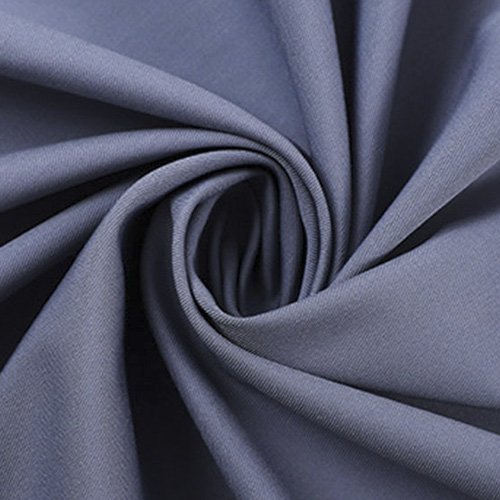
The softness of apparel fabric is determined by several core characteristics, including fiber length, fiber fineness, weave structure, and finishing techniques. Softest material for clothing feels smooth against the skin, causes minimal friction, and adapts naturally to body movement.
We evaluate softness based on:
-
Hand feel and texture
-
Breathability and moisture absorption
-
Hypoallergenic properties
-
Long-term durability
-
Luxury appearance and drape
Cotton: The Timeless Soft Apparel Material
Egyptian Cotton – The Gold Standard of Softness
Egyptian cotton is widely regarded as one of the softest apparel materials available. Its extra-long staple fibers produce finer yarns, resulting in a silky-smooth texture that improves with each wash.
Key benefits of Egyptian cotton apparel:
-
Exceptional softness and smoothness
-
High breathability for all-season wear
-
Natural moisture-wicking properties
-
Long-lasting durability
This fabric is commonly used in luxury t-shirts, undergarments, loungewear, and premium casual clothing.
Pima Cotton – Ultra-Soft and Sustainable
Pima cotton rivals Egyptian cotton in softness and strength. Known for its buttery feel, Pima cotton is resistant to pilling and fading, making it ideal for everyday premium apparel.
Why Pima cotton stands out:
-
Ultra-soft surface texture
-
High resistance to wear and tear
-
Eco-conscious cultivation
-
Ideal for sensitive skin
Modal Fabric: The Softest Semi-Synthetic Apparel Material
Modal is one of the most popular choices when discussing the softest material for apparel. Made from beech tree pulp, modal fabric offers a smooth, lightweight feel that surpasses traditional cotton.
Why Modal Fabric Is Exceptionally Soft
-
Extremely fine fibers create a silky texture
-
Superior breathability and moisture absorption
-
Maintains softness after repeated washing
-
Naturally flexible and drapes beautifully
Modal is widely used in activewear, underwear, sleepwear, and luxury basics where softness is non-negotiable.
Bamboo Fabric: Naturally Soft and Skin-Friendly
Bamboo fabric has gained immense popularity due to its natural softness and eco-friendly origins. It offers a smooth texture comparable to cashmere while being lightweight and breathable.
Advantages of Bamboo Apparel Material
-
Hypoallergenic and antibacterial
-
Excellent moisture-wicking properties
-
Naturally temperature-regulating
-
Soft, smooth, and non-irritating
Bamboo fabric is ideal for baby clothing, intimate apparel, yoga wear, and sustainable fashion collections.
Cashmere: Ultimate Luxury in Soft Apparel Materials
When discussing luxury softness, cashmere remains unmatched. Derived from the fine undercoat of cashmere goats, this fabric is synonymous with elegance and warmth.
Why Cashmere Is Considered the Softest Fabric
-
Ultra-fine natural fibers
-
Feather-light yet insulating
-
Luxuriously smooth texture
-
Premium drape and appearance
Cashmere is primarily used in sweaters, scarves, cardigans, and winter apparel, offering timeless softness and sophistication.
Silk: Naturally Smooth and Skin-Loving Fabric
Silk is another contender for the softest material in apparel, known for its natural sheen and smooth touch. This protein-based fiber is gentle on the skin and ideal for luxury fashion.
Key Properties of Silk Fabric
-
Exceptionally smooth and soft
-
Naturally hypoallergenic
-
Temperature-regulating qualities
-
Elegant drape and luster
Silk is commonly used in formal wear, lingerie, sleepwear, and high-end fashion garments.
Microfiber: Modern Softness with Performance Benefits
Microfiber is a synthetic fabric engineered for maximum softness and durability. Its ultra-fine fibers create a suede-like texture that feels gentle on the skin.
Why Microfiber Is Popular in Apparel
-
Extremely soft and lightweight
-
Wrinkle-resistant and durable
-
Moisture-wicking and quick-drying
-
Affordable alternative to luxury fabrics
Microfiber is frequently used in athleisure, performance wear, and everyday comfort clothing.
TENCEL Lyocell: Premium Softness with Sustainability
TENCEL Lyocell is a next-generation fabric that combines luxury softness with environmental responsibility. It is produced using a closed-loop process that minimizes environmental impact.
Benefits of TENCEL Lyocell Apparel
-
Smooth, cool-to-the-touch feel
-
Exceptional moisture management
-
Naturally breathable and soft
-
Sustainable and biodegradable
This fabric is ideal for premium casualwear, activewear, and modern lifestyle apparel.
Blended Fabrics: Enhanced Softness Through Innovation
Fabric blends often combine natural and synthetic fibers to enhance softness, elasticity, and durability. Popular blends include:
-
Cotton-Modal blends
-
Bamboo-Spandex blends
-
Silk-Cotton blends
These combinations offer the best of both worlds, delivering softness without compromising performance or longevity.
Choosing the Softest Apparel Material for Your Needs
Selecting the softest material for apparel depends on the intended use and personal preference from Vel Clothing. We recommend:
-
Modal or bamboo for everyday comfort
-
Cashmere or silk for luxury and elegance
-
Pima cotton for durability and softness
-
TENCEL™ Lyocell for eco-conscious premium wear
Each fabric offers unique advantages while maintaining exceptional softness.
Why Soft Apparel Materials Matter More Than Ever
In today’s apparel market, consumers prioritize comfort, skin health, and quality. Soft materials enhance wearability, reduce irritation, and elevate the overall clothing experience. Brands that invest in the softest apparel materials gain a competitive edge through customer satisfaction and long-term loyalty.
Final Thoughts
We believe that softness defines the future of fashion. From luxurious natural fibers to innovative sustainable textiles, the softest apparel materials transform how clothing feels, performs, and lasts. By choosing the right fabric, we elevate both comfort and style to unmatched levels.