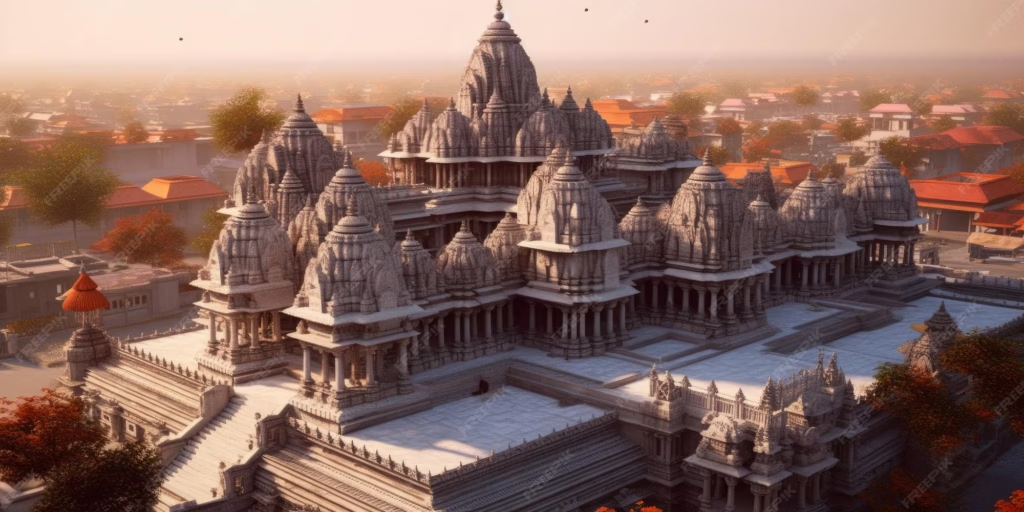
In this guide, we’ll explore the top tourist places in Ayodhya, weaving together history, mythology, and travel tips to help you plan an enriching journey. Ayodhya, nestled on the banks of the sacred Sarayu River in Uttar Pradesh, is one of India’s most revered spiritual destinations. Known as the birthplace of Lord Rama, this ancient city is a tapestry of temples, ghats, gardens, and cultural landmarks. It attracts pilgrims, history enthusiasts, and travelers seeking both devotion and discovery.
1. Ram Janmabhoomi
- Significance: Believed to be the birthplace of Lord Rama, Ram Janmabhoomi is the spiritual heart of Ayodhya.
- Highlights: The newly constructed Ram Mandir, inaugurated in 2024, is a marvel of architecture blending tradition with grandeur.
- Experience: Witness morning aarti, explore intricate carvings, and feel the devotion that permeates the site.
2. Hanuman Garhi
- Location: Situated in the center of Ayodhya.
- Why Visit: A fortress‑like temple dedicated to Lord Hanuman, symbolizing strength and devotion.
- Unique Feature: The temple is reached by climbing 76 steps, offering panoramic views of the city.
3. Kanak Bhawan
- Story: Gifted to Goddess Sita by Queen Kaikeyi after her marriage to Lord Rama.
- Attraction: Idols of Rama and Sita adorned with gold ornaments.
- Traveler Tip: Visit during festivals like Ram Navami for vibrant celebrations.
4. Nageshwarnath Temple
- Legend: Established by Kush, son of Lord Rama.
- Charm: Dedicated to Lord Shiva, this temple is a blend of Shaivite and Vaishnavite traditions.
- Best Time: Maha Shivratri, when the temple comes alive with rituals and fairs.
5. Dashrath Bhavan
- Heritage: Believed to be the palace of King Dashrath, father of Lord Rama.
- Experience: Colorful processions, devotional singing, and a glimpse into royal Ayodhya.
6. Ram Ki Paidi
- Setting: A series of ghats along the Sarayu River.
- Activities: Evening aarti, boat rides, and serene walks.
- Highlight: During Deepotsav, thousands of lamps illuminate the ghats, creating a breathtaking spectacle.
7. Treta Ke Thakur
- History: Said to mark the site where Lord Rama performed the Ashwamedha Yajna.
- Architecture: Intricate stone carvings and idols dating back centuries.
8. Sita Ki Rasoi
- Cultural Insight: A kitchen believed to have been used by Goddess Sita.
- Attraction: Exhibits of ancient utensils and symbolic artifacts.
9. Gulab Bari
- Style: A Mughal‑era garden and mausoleum of Nawab Shuja‑ud‑Daula.
- Appeal: Lush rose gardens, fountains, and Indo‑Islamic architecture.
- Contrast: Offers a refreshing break from temple visits.
10. Raj Dwar Mandir
- Importance: One of the oldest temples in Ayodhya.
- Atmosphere: Peaceful, with devotees chanting hymns and offering prayers.
11. Ayodhya Deepotsav
- Festival: Celebrated annually around Diwali.
- Highlight: Guinness World Record‑breaking display of millions of diyas along the Sarayu ghats.
- Traveler Tip: Book accommodations early; the city is packed during this festival.
12. Other Notable Spots
- Tulsi Smarak Bhavan: Dedicated to poet Tulsidas, who wrote the Ramcharitmanas.
- Mani Parbat & Sugriv Parbat: Hillocks linked to Ramayana legends.
- Chhoti Chhawani: A memorial for freedom fighters.
Travel Tips for Ayodhya
- Best Time to Visit: October to March, when the weather is pleasant.
- Getting There: Well connected by rail (Ayodhya Junction) and road; nearest airport is Ayodhya International Airport.
- Stay Options: From budget lodges to premium hotels, many cater to pilgrims and tourists alike.
- Local Cuisine: Try kachoris, jalebis, and thandai at traditional eateries.
Suggested Itinerary
Day 1: Ram Janmabhoomi, Hanuman Garhi, Kanak Bhawan
Day 2: Dashrath Bhavan, Nageshwarnath Temple, Ram Ki Paidi
Day 3: Gulab Bari, Tulsi Smarak Bhavan, Mani Parbat
Why Ayodhya is More Than a Pilgrimage
Ayodhya is not just about temples—it’s a living museum of India’s cultural, spiritual, and historical evolution. From Mughal gardens to Ramayana legends, every corner tells a story. Whether you’re a devotee, a history buff, or a curious traveler, Ayodhya offers a unique blend of devotion and discovery.
Conclusion
Ayodhya’s tourist places embody the soul of India’s spiritual heritage. The city invites you to walk through mythology, witness living traditions, and immerse yourself in timeless devotion. A journey here is not just sightseeing—it’s an experience of faith, culture, and history intertwined.