Body Contouring in Dubai: What to Expect During Treatment at Altaderma Clinic
Body shape and appearance are important to many people. Even with a balanced diet and regular exercise, some areas of the body may retain stubborn fat or show loose skin. Body contouring is a treatment option that can help improve body shape and create a more defined appearance. At Altaderma Clinic, understanding the treatment process can help patients feel more comfortable and prepared before starting their body contouring journey.
Body Contouring in Dubai is an option for people who want to improve the appearance of specific body areas. Depending on the patient’s needs, treatment may focus on reducing the appearance of stubborn fat, improving skin firmness, or creating smoother body contours. The suitable approach depends on individual goals, skin condition, body shape, and the treatment methods available.
Understanding the procedure, preparation, possible results, recovery, and Body Contouring cost in Dubai can help patients make informed decisions. This article explains what to expect during body contouring treatment at Altaderma Clinic.
What Is Body Contouring and How Does It Work?
Body contouring refers to treatments designed to improve the shape and definition of selected areas of the body. It may involve non-surgical procedures, surgical techniques, or a combination of approaches, depending on the patient’s requirements.
Non-surgical body contouring treatments may use technologies such as radiofrequency, ultrasound, or controlled cooling to target fat cells or improve skin appearance. Some treatments focus mainly on skin tightening, while others are designed to reduce small areas of unwanted fat. Results and suitability vary according to the technology used.
Surgical body contouring procedures, such as liposuction or a tummy tuck, involve different techniques and require more extensive recovery. These procedures should be discussed with a qualified medical professional.
At Altaderma Clinic, patients can discuss their concerns and learn which available treatment options may suit their needs. The goal is to develop a suitable treatment plan based on individual expectations rather than offering the same approach to everyone.
Why Choose Body Contouring in Dubai?
Many people consider Body Contouring in Dubai because they want to improve their body shape without relying entirely on diet and exercise. Although a healthy lifestyle supports overall fitness, it cannot always address every concern related to stubborn fat or loose skin.
Body contouring may be considered for several reasons:
- To improve the appearance of selected body areas.
- To reduce the appearance of small, stubborn fat deposits.
- To support a firmer-looking appearance when the treatment is suitable for the skin.
- To create smoother-looking body contours.
- To improve confidence in clothing and everyday activities.
The results depend on the treatment method, the area being treated, and the patient’s individual characteristics. Body contouring is not a replacement for weight-loss treatment and should not be considered a solution for obesity.
At Altaderma Clinic, patients can discuss their expectations and receive guidance about realistic outcomes. A professional assessment helps determine whether body contouring is appropriate for their concerns.
Which Areas Can Be Treated With Body Contouring?
Body contouring can focus on different areas depending on the available treatment and the patient’s goals. During a consultation, the practitioner can explain which areas may respond well to the selected procedure.
Abdomen and Waist
The abdomen and waist are common areas of concern for people who want a more defined body shape. Some treatments may help reduce the appearance of small fat deposits, while other procedures may be more appropriate when loose skin is the main concern.
The right approach depends on factors such as skin elasticity, the amount of fat present, and previous weight changes.
Thighs and Hips
Fat distribution around the thighs and hips can affect overall body proportions. Body contouring may help improve the appearance of these areas when a suitable treatment is selected.
Patients should understand that results are not always perfectly symmetrical and that individual responses can differ.
Arms
Some people notice fullness or loose skin around the upper arms. Depending on the cause of the concern, treatment may focus on reducing localized fat or improving the appearance of skin firmness.
A consultation can help identify which option is most appropriate.
Back and Other Areas
The back and other selected areas may also be considered for body contouring. Treatment suitability depends on the specific concern, the available technology, and the patient’s overall health.
Altaderma Clinic can discuss the available options and help patients understand which areas may benefit from treatment.
What to Expect During Your First Consultation at Altaderma Clinic
The consultation is an important part of the Body Contouring in Dubai process. It allows the practitioner to understand the patient’s goals, review relevant medical information, and explain the treatment options.
During the consultation, patients may discuss:
- Their main body-shape concerns.
- The areas they want to improve.
- Their medical history and current medications.
- Previous procedures and relevant health conditions.
- Their expectations regarding results and recovery.
- The expected number of sessions, if applicable.
- The estimated Body Contouring cost in Dubai.
The practitioner may assess the treatment area and consider factors such as skin quality, body composition, and the amount of localized fat. Not every patient is suitable for every treatment.
Patients should ask questions about potential side effects, treatment limitations, and alternative options. Clear communication helps them understand what the procedure can realistically achieve.
How to Prepare for Body Contouring Treatment
Proper preparation can make the treatment process easier and help patients follow their practitioner’s recommendations. The exact preparation steps depend on whether the procedure is surgical or non-surgical.
For a non-surgical treatment, patients may be advised to arrive with clean skin and avoid applying certain products to the treatment area. They should also share information about medications, allergies, medical conditions, and any previous cosmetic procedures.
For surgical body contouring, preparation may involve additional medical assessments, specific medication instructions, and arrangements for recovery assistance.
Patients should follow the instructions provided by their healthcare professional rather than stopping prescribed medication or making major changes to their routine independently.
Before beginning Body Contouring in Dubai, it is helpful to maintain realistic expectations. Body contouring is generally intended to improve selected areas rather than produce dramatic weight loss.
What Happens During a Body Contouring Session?
The treatment experience depends on the method selected for the patient. Non-surgical treatments are usually performed in a clinical setting and may not require general anaesthesia. Surgical procedures involve a different process and require appropriate medical facilities and monitoring.
Step One: Preparing the Treatment Area
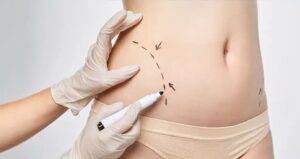
The practitioner prepares the selected area according to the treatment protocol. The skin may be cleaned, and measurements or photographs may be taken when appropriate to document the starting point.
Patients can ask questions before the session begins if they are unsure about any part of the process.
Step Two: Applying the Selected Treatment
During non-surgical body contouring, a treatment device or applicator may be placed against the skin. Depending on the technology, patients may experience warmth, cooling, pressure, tingling, or mild discomfort.
The length of the session depends on the treatment method and the size of the area being addressed.
Surgical procedures, including liposuction, involve incisions and different anaesthesia and recovery requirements. These should not be confused with non-invasive treatments.
Step Three: Monitoring Comfort and Skin Response
During treatment, the practitioner follows the appropriate protocol and monitors the patient’s comfort. Patients should report unusual pain or discomfort immediately.
Some non-surgical treatments can be completed relatively quickly, while others require longer appointments or several sessions. The practitioner should explain the expected duration before treatment begins.
Step Four: Receiving Aftercare Instructions
After the session, patients receive instructions based on the procedure performed. These may include advice about normal skin reactions, activity, skincare, and when to schedule a follow-up appointment.
Following these recommendations helps patients understand what to expect during recovery and when to seek medical advice.
Is Body Contouring Painful?
The level of discomfort depends on the treatment method and the individual’s sensitivity. Many non-surgical procedures are generally well tolerated, although patients may experience temporary warmth, pressure, cooling sensations, redness, or tenderness.
Some technologies may cause more discomfort than others. Surgical body contouring involves a different level of intervention and may require pain management during recovery.
Patients should not assume that every procedure is painless. At Altaderma Clinic, discussing comfort concerns before treatment can help patients understand the expected sensations and available options for managing discomfort.
Any severe, persistent, or unexpected pain should be reported to a qualified healthcare professional.
How Long Does Body Contouring Treatment Take?
The duration of Body Contouring in Dubai varies according to the treatment method and the size and number of areas being treated.
Some non-surgical sessions may take less than an hour, while other procedures can require longer appointments. If multiple areas are being treated, the overall appointment may take additional time.
The number of sessions also varies. Some technologies are designed to provide results after one treatment, while others require a series of sessions. Patients should confirm the expected schedule during their consultation.
Surgical procedures require separate planning, including pre-operative assessments, the procedure itself, and a recovery period that may extend over several weeks.
It is best to follow an individual treatment plan rather than comparing session times or expected results with another person’s experience.
When Can You See Body Contouring Results?
Results do not always appear immediately after treatment. The timeline depends on the technology used, the body’s response, and the concern being addressed.
After some non-surgical fat-reduction treatments, the body may gradually process affected fat cells over several weeks or months. Skin-tightening treatments may also produce gradual changes as the skin responds to the procedure.
Temporary swelling or redness can affect the appearance of the treatment area during the early stages. This does not necessarily indicate the final outcome.
Surgical procedures have their own healing timelines, and swelling may take time to settle.
Patients should attend recommended follow-up appointments and allow sufficient time to assess the outcome. Maintaining a stable weight and following a balanced lifestyle may help preserve results, although natural ageing and weight changes can affect body shape over time.
Recovery and Aftercare Following Body Contouring
Recovery depends on the treatment method. Many non-surgical procedures allow patients to return to their usual daily activities soon afterward, although temporary redness, tenderness, bruising, or swelling may occur.
Patients should follow the specific aftercare instructions provided by their practitioner.
Follow the Recommended Aftercare Plan
Avoid rubbing, massaging, or applying products to the treated area unless advised. Certain treatments may have specific restrictions, so patients should follow the instructions relevant to their procedure.
Maintain a Balanced Lifestyle
Regular physical activity, balanced meals, adequate hydration, and stable weight management support general health. These habits are not substitutes for treatment, but they may help patients maintain their overall body shape.
Attend Follow-Up Appointments
Follow-up visits allow the practitioner to assess progress, discuss concerns, and determine whether additional sessions may be appropriate.
Patients should seek medical advice if they develop severe pain, significant blistering, unusual skin changes, or symptoms that worsen rather than improve.
What Is the Body Contouring Cost in Dubai?
The Body Contouring cost in Dubai varies depending on the treatment selected, the area being treated, and the number of sessions required. There is no single price that applies to every patient because individual treatment plans can differ considerably.
Several factors may influence the overall cost.
Type of Treatment
Non-surgical body contouring and surgical procedures have different equipment, staffing, anaesthesia, and recovery requirements. These differences can affect the final price.
Size and Number of Treatment Areas
Treating one small area may cost less than treating several larger areas. The time required and the treatment method used can also affect the estimate.
Number of Sessions
Some non-surgical treatments require multiple appointments to achieve the desired improvement. Patients should ask whether the quoted price covers one session or a complete treatment plan.
Consultation and Follow-Up
The overall expense may also depend on consultation fees, follow-up visits, and any additional services included in the treatment package.
At Altaderma Clinic, patients can ask about the available options and the expected Body Contouring cost in Dubai for their individual needs. It is helpful to request a clear breakdown of the price, the number of sessions included, and any additional charges before making a decision.
Choosing a treatment based only on its price may not be the best approach. Safety, practitioner qualifications, appropriate equipment, and realistic expectations should also be considered.
Are There Any Side Effects or Risks?
Like other cosmetic procedures, body contouring can have side effects. The risks depend on the technology, the treatment area, and the patient’s health.
Possible temporary effects of non-surgical treatments include redness, swelling, tenderness, bruising, and changes in skin sensation. Some procedures carry less common but more serious risks, such as burns, nerve injury, or uneven contours.
Surgical body contouring carries additional risks, including infection, bleeding, fluid accumulation, scarring, and complications related to anaesthesia.
Patients should share their medical history and ask about the specific risks associated with their recommended treatment. A qualified practitioner can explain whether the expected benefits justify the potential risks.
Body contouring may not be suitable for everyone. Pregnancy, certain medical conditions, implanted devices, or problems affecting the treatment area may influence eligibility, depending on the procedure.
Who Is a Suitable Candidate for Body Contouring?
A suitable candidate is generally someone who has a specific concern about body shape and understands the limitations of the selected treatment. For many non-surgical fat-reduction procedures, people who are near a stable, healthy weight and have localized fat deposits may be more suitable than those seeking significant weight loss.
Other factors include skin elasticity, general health, treatment goals, and the ability to follow aftercare instructions.
People with substantial loose skin may need a different approach from those whose main concern is localized fat. A consultation helps identify these differences.
At Altaderma Clinic, patients can discuss their concerns and learn whether an available treatment may be appropriate. The final recommendation should be based on an individual assessment rather than a promise of a particular result.
Frequently Asked Questions About Body Contouring in Dubai
Is Body Contouring a Weight-Loss Treatment?
No. Body contouring is designed to improve the appearance of selected body areas. It is not a substitute for weight management, a balanced diet, or regular exercise.
Can Body Contouring Tighten Loose Skin?
Some treatments are designed to improve skin firmness, but the results depend on the technology and the degree of skin laxity. Significant loose skin may require a different treatment approach.
How Many Body Contouring Sessions Are Needed?
The number of sessions depends on the treatment method, the area being treated, and the patient’s goals. Some treatments may require multiple appointments, while others follow a different schedule.
Is There Any Downtime After Body Contouring?
Many non-surgical treatments involve little downtime, but temporary swelling, redness, tenderness, or bruising may occur. Surgical procedures generally require a longer recovery period.
How Can I Find Out the Body Contouring Cost in Dubai?
The most reliable way is to arrange a consultation and discuss the treatment area, recommended procedure, expected number of sessions, and any additional fees. The final estimate should reflect your individual treatment plan.
Conclusion
Body contouring can be an option for people who want to improve the appearance of selected body areas and achieve more defined contours. Understanding the treatment process, preparation, recovery, possible risks, and expected results can help patients make informed decisions.
At Altaderma Clinic, patients interested in Body Contouring in Dubai can discuss their goals and learn about the available treatment options. A personalized assessment can help determine which approach may be suitable for their concerns.
Before proceeding, ask about the expected results, safety considerations, aftercare requirements, and Body Contouring cost in Dubai. Choosing an appropriate treatment and maintaining realistic expectations are important steps toward making a confident and informed decision.