A 3500 PSI pressure washer is a powerful cleaning tool. It can remove dirt, mud stains and grime from many outdoor surfaces. But this much power also needs care. If you use it the wrong way it can damage wood siding, paint concrete and even cause injury.
Many people in Bergen County use pressure washers for driveways, patios , walkways , fences and equipment. Before using a 3500 psi power washer it helps to know the common mistakes so you can clean safely and get better results.
Why a 3500 PSI Pressure Washer Needs Careful Use
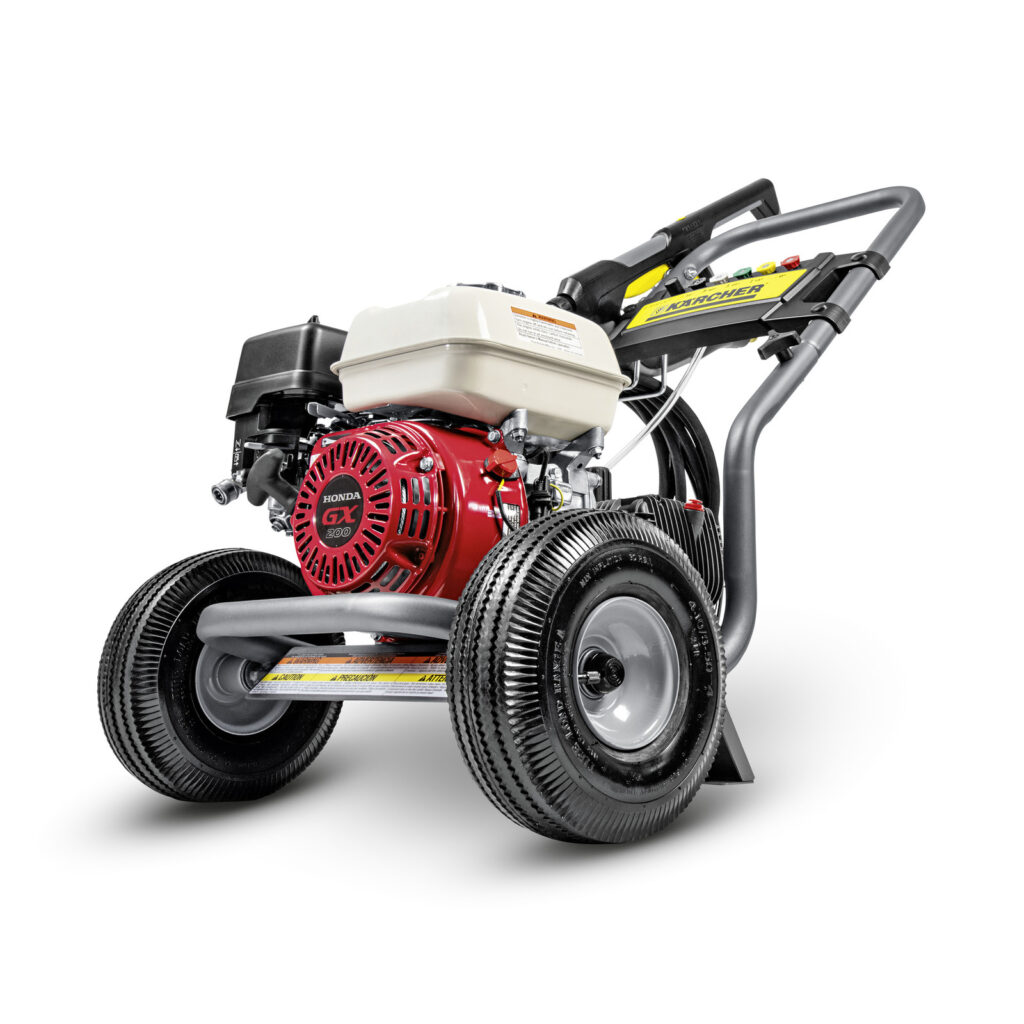
A pressure washer 3500 psi machine is strong enough for many tough jobs. It can clean concrete outdoor tools commercial areas and heavy buildup. But it may be too strong for softer surfaces.
It has strong cleaning power
High pressure can remove stuck dirt faster. This is helpful for large outdoor areas.
It can damage surfaces if used wrong
Too much pressure can cut into wood, remove paint or leave marks on siding.
Safety matters before every job
The spray can hurt skin and eyes. Always treat the machine like serious equipment.
Using Too Much Pressure on Delicate Surfaces
One big mistake is using full pressure on every surface. Not every job needs maximum power.
Siding and painted areas
High pressure can force water behind siding or peel paint. Use lower pressure and a wider nozzle.
Wood decks and fences
Wood can splinter if the spray is too strong. Keep the wand moving and avoid close spraying.
Vehicles and outdoor furniture
A 3500 PSI unit can be too powerful for cars and light furniture. Use gentle pressure and the right nozzle.
Choosing the Wrong Nozzle
Nozzles control the spray pattern. A narrow spray gives more cutting power. A wide spray spreads pressure over more area.
Why nozzle angle matters
A zero degree nozzle can damage surfaces fast. It should be used with great care.
When to avoid narrow spray tips
Avoid narrow tips on wood paint siding and vehicles. Start with a wider nozzle first.
How to test spray pressure safely
Test in a small hidden area. Stand back first. Move closer only if the surface handles it well.
Standing Too Close to the Surface
Many people think closer means cleaner. With high pressure this can cause damage.
How close spraying causes damage
Close spraying can leave lines marks and rough spots. It can also chip weak concrete or wood.
Safe distance for better control
Start from a safe distance. Then move closer slowly if needed.
Moving closer only when needed
Let the water and detergent do the work. Do not force results by standing too close.
Skipping Safety Gear
Safety gear is not optional with strong machines.
Eye protection
Spray can throw dirt stones and chemicals back at you. Wear safety glasses.
Closed toe shoes
Never pressure wash in sandals. The spray can injure feet.
Gloves and long pants
Gloves help with grip. Long pants protect your legs from spray and debris.
Using the Wrong Detergent
Regular soap is not always safe for pressure washers. It can clog parts or leave residue.
Why regular soap is not always safe
Some soaps foam too much. Others may harm surfaces or machine seals.
Matching detergent to the surface
Use a cleaner made for concrete wood siding or vehicles based on the job.
Rinsing detergent fully
Do not let detergent dry on the surface. Rinse it well to avoid streaks.
A local pressure washer supply store in Bergen County can help you choose the right detergent and nozzle for your machine.
Pressure Washing Without Testing First
Skipping a test spot is risky. A surface may look strong but still get damaged.
Why a small test spot matters
Testing helps you see if the pressure nozzle and detergent are safe.
What to check after testing
Look for fading rough spots splinters or marks. If you see damage stop and adjust.
When to lower pressure or change nozzles
Use a wider nozzle or stand farther back if the test spot looks damaged.
Ignoring Water Supply Problems
A pressure washer needs steady water flow. Low water supply can harm the pump and reduce cleaning power.
Low water flow
Make sure your hose can supply enough water. Weak flow can cause pressure problems.
Kinked hoses
A bent hose blocks water. Check the hose before starting.
Dirty inlet filters
A dirty filter can slow water flow. Clean it when needed.
Letting the Machine Run Too Long Without Spraying
Do not leave the washer running without pulling the trigger for too long. Heat can build in the pump.
How pump heat builds up
Water inside the pump can get hot when it is not moving.
Why trigger breaks matter
Short pauses are fine. Long pauses can stress the pump.
Safe stopping habits
If you need a longer break, turn the machine off. This helps protect the pump.
Forgetting Regular Maintenance
A pressure washer works better when it is cared for.
Checking oil and fuel
Gas models need oil and fuel checks. Bad fuel can cause starting trouble.
Cleaning nozzles and filters
Blocked nozzles reduce pressure. Clean them carefully.
Inspecting hoses and fittings
Look for cracks, leaks and loose fittings before each job.
Some homeowners ask about 3500 psi electric power washers because they want less fuel maintenance. Electric models can be easier for lighter use but you should still check hoses cords nozzles and water flow.
Using It on Unsafe Surfaces
Not every surface should be cleaned with high pressure.
Old wood
Old wood may split or break under strong spray.
Loose paint
Pressure can remove paint quickly. This may create a bigger repair job.
Cracked concrete
High pressure can worsen cracks if used too close.
Weak mortar or brick
Older brick and mortar can break apart. Use lower pressure and test first.
Quick Mistake and Fix Table
| Mistake | Better Choice |
| Using high pressure on soft surfaces | Start low and test first |
| Picking the narrowest nozzle | Use a wider spray tip |
| Standing too close | Begin farther away |
| Skipping safety gear | Wear eye shoes and hand protection |
| Using random soap | Use pressure washer safe detergent |
| Ignoring maintenance | Check oil hoses nozzles and filters |
Final Thoughts
A 3500 PSI pressure washer can be very useful when used the right way. It can clean tough dirt and make outdoor areas look fresh again. But it can also damage surfaces if you rush or use the wrong setup.
If you are cleaning around Bergen County start with a test spot use the right nozzle wear safety gear and choose the correct detergent. Smart use will help you clean better and protect your surfaces.
FAQs
Can a pressure washer damage concrete surfaces?
Yes. A 3500 PSI washer can damage weak cracked or old concrete if used too close. Start farther away use a wider nozzle and test a small spot before cleaning the full area.
What nozzle should I use first?
Start with a wider nozzle because it spreads pressure more safely. Avoid using a narrow tip first especially on siding wood paint or delicate surfaces.
Is this washer safe for washing cars?
A 3500 PSI washer is often too strong for cars if used carelessly. Use low pressure a wide nozzle and keep distance from paint trim mirrors and seals.