Losing a tooth can be a stressful experience, not just because of appearance but also due to the impact it has on chewing, speech, and overall oral health. Tooth loss can occur due to decay, gum disease, injury, or sometimes genetics. Whatever the cause, replacing a missing tooth is essential to maintain your smile, confidence, and oral functionality.
Dental implants have become one of the most reliable and long-lasting solutions for missing teeth. Unlike bridges or dentures, implants are fixed into the jawbone, providing a stable and natural-looking replacement. But before you decide to go for an implant, it is natural to wonder about the financial aspect. If you are considering treatment, one of the first questions that comes to mind is: how much 1 tooth implant cost? Understanding this can help you plan better and avoid surprises when it comes to payment.
In this article, we will explore everything you need to know about the cost of a single tooth implant, the factors that influence it, and what to expect during the process.
What is a Tooth Implant?
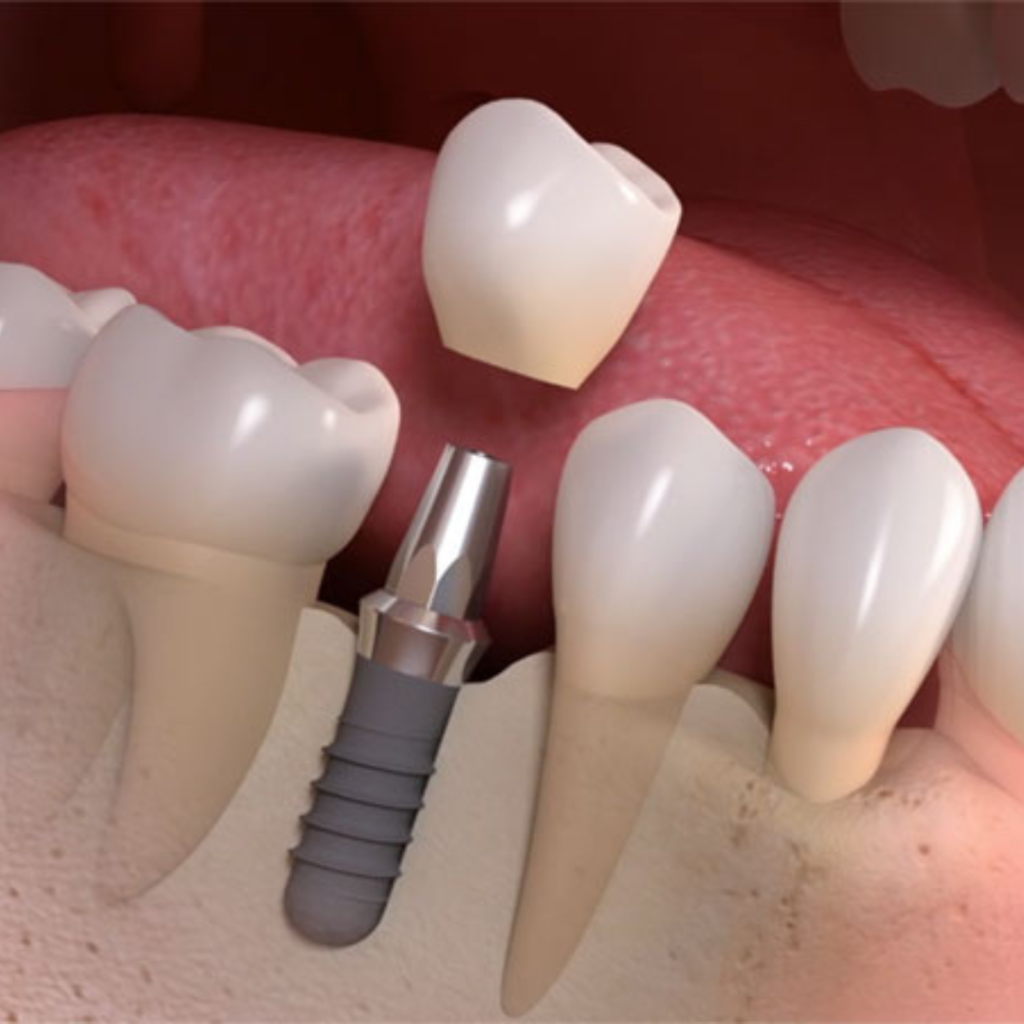
A tooth implant is a small, screw-like device usually made of titanium, which is placed into the jawbone to replace the root of a missing tooth. After the implant is placed, a crown is attached to restore the visible part of the tooth. This creates a strong, natural-looking replacement that functions much like a real tooth.
The implant procedure is typically done in stages:
- Consultation and Planning: The dentist evaluates your oral health and takes X-rays or 3D scans.
- Implant Placement: The implant is surgically placed into the jawbone.
- Healing Period: This stage, called osseointegration, allows the bone to grow around the implant and secure it. This usually takes a few months.
- Crown Placement: Once the implant is stable, a custom-made crown is attached.
A tooth implant is considered a long-term investment, often lasting 15 years or more with proper care, which is why understanding its cost in advance is important.
Factors Affecting the Cost of 1 Tooth Implant
The cost of a single tooth implant can vary widely depending on several factors. Here are the key aspects that can influence the price:
1. Material of the Implant
Dental implants are commonly made from titanium, which is strong, biocompatible, and durable. Some implants are made from zirconia, which is metal-free and more aesthetic, particularly for front teeth. Titanium implants are generally more common and slightly less expensive than zirconia implants.
2. Type of Crown
The crown that sits on top of the implant can be made from different materials such as porcelain, ceramic, or metal-ceramic. Porcelain crowns are most popular because they look natural, but they can cost more. The choice of crown material affects the total cost of the implant.
3. Complexity of the Procedure
Some patients may require additional procedures before implant placement, such as bone grafting or sinus lift surgery, if there is insufficient bone in the jaw. These procedures increase the overall cost of treatment because they require extra time and materials.
4. Location and Clinic Reputation
Dental implant costs can vary depending on the city, the clinic’s reputation, and the dentist’s experience. Clinics in major cities or high-end areas usually charge more. However, higher costs can reflect advanced technology, better materials, and experienced specialists, which can increase the success rate of the implant.
5. Diagnostic Tests and Imaging
Before placing an implant, dentists may require X-rays, 3D scans, or CT scans to assess bone density and jaw structure. The cost of these diagnostic tests is usually included in the overall treatment plan but can vary from clinic to clinic.
6. Additional Treatments
If you have dental issues like gum disease, cavities, or misaligned teeth, these may need to be treated before implant placement. Additional treatments will increase the total cost.
Average Cost of a Single Tooth Implant
On average, the cost of 1 tooth implant can range from $1,500 to $3,500 in many countries, but this can be higher depending on the factors mentioned above. This estimate generally includes the implant, abutment, and crown.
It is important to remember that this is an average. In some cases, the cost may be lower, especially in regions with affordable dental care. In other cases, particularly if you need complex procedures or premium materials, it can be higher.
Knowing the expected range helps you prepare financially and compare different dental clinics without compromising on quality.
Why Cost Shouldn’t Be the Only Consideration
While it is tempting to choose the cheapest option, dental implants are a long-term investment in your oral health. Choosing a low-cost clinic without checking credentials or quality may result in complications such as:
- Implant failure due to poor osseointegration
- Infection around the implant
- Poorly fitting crowns causing bite issues
- Need for replacement, which can be more expensive than investing in quality initially
It’s better to choose a clinic with experienced dentists, good reviews, and high-quality materials. This ensures the implant lasts longer, functions properly, and looks natural.
Payment Options and Insurance
Many dental clinics offer flexible payment plans for implants. Some may allow you to pay in installments, making the procedure more affordable. Dental insurance can sometimes cover part of the implant cost, especially if it is medically necessary, but coverage varies widely.
It is advisable to check with your insurance provider and discuss payment options with your dentist to avoid any surprises.
Steps to Get a Tooth Implant
Understanding the procedure can help you make informed decisions about cost and treatment. Here’s a step-by-step overview:
Step 1: Consultation and Oral Examination
During your first visit, the dentist will examine your teeth, gums, and jawbone. X-rays or 3D scans may be taken to assess bone health and determine the best location for the implant.
Step 2: Treatment Planning
Based on the examination, the dentist will create a personalized treatment plan, including the type of implant, crown material, and any additional procedures required.
Step 3: Implant Placement
The implant is surgically placed into the jawbone. This is usually done under local anesthesia, so the procedure is painless.
Step 4: Healing Period
After the implant is placed, a healing period of 3 to 6 months is required. During this time, the bone fuses with the implant, creating a strong foundation for the crown.
Step 5: Crown Placement
Once healing is complete, a custom-made crown is attached to the implant. The crown is designed to match your natural teeth in color, shape, and size.
Step 6: Follow-Up Care
Regular check-ups and good oral hygiene are essential to maintain the implant. This includes brushing, flossing, and avoiding habits that may damage the implant, like chewing hard objects.
Tips to Manage the Cost of a Tooth Implant
Even though implants can be expensive, there are ways to manage the cost without compromising quality:
- Compare Clinics: Research different clinics and compare prices, materials, and services.
- Ask About Payment Plans: Many dental clinics offer installment options.
- Check Insurance: Some dental insurance plans cover part of the procedure.
- Prevent Additional Treatments: Maintaining good oral hygiene can reduce the need for extra procedures like bone grafts.
- Consider Timing: Some clinics offer discounts during certain periods or for combined treatments.
Long-Term Benefits of Investing in a Tooth Implant
While the initial cost may seem high, a tooth implant offers several long-term advantages:
- Durability: Implants can last decades with proper care.
- Natural Appearance: They look and feel like natural teeth.
- Bone Health: Implants prevent bone loss in the jaw, which can occur after tooth loss.
- Improved Oral Function: Implants allow you to chew and speak normally.
- Confidence Boost: Restoring your smile improves self-esteem and social interactions.
Considering these benefits, investing in a high-quality implant is often more cost-effective than opting for temporary or cheaper solutions that may require replacement in a few years.
Common Myths About Tooth Implant Cost
There are many myths surrounding dental implants that can create confusion:
- Myth 1: “Implants are too expensive for everyone.”
While implants are an investment, payment plans and insurance can make them affordable. - Myth 2: “Cheaper implants are just as good.”
Low-cost implants may compromise materials, technology, and success rates. - Myth 3: “One implant is enough to replace multiple teeth.”
Each missing tooth generally requires its own implant, though in some cases, implant-supported bridges may be an option.
Knowing the facts can help you make an informed decision and avoid unnecessary risks.
Conclusion: Finding the Right Solution
If you are considering replacing a missing tooth, understanding dental implant cost dubai is just one part of the decision. The cost can vary depending on materials, procedure complexity, and clinic reputation. While it may seem expensive initially, a quality implant is a long-term investment in your oral health, function, and confidence.
Choosing a trusted clinic like DentisTree Dental Clinic ensures you receive high-quality care from experienced professionals. They provide transparent pricing, personalized treatment plans, and support every step of the way, making the implant process safe, effective, and worthwhile.