If you want reliable EV charging installation near you, this post shows how to find local installers, compare services, and get your home or building ready for consistent, safe charging. You can quickly locate certified installers, understand installation steps and costs, and pick the right Level 1 or Level 2 charger for your needs.
You’ll learn practical tips for verifying credentials, estimating electrical upgrades, and scheduling installations so the process feels straightforward instead of overwhelming. Expect clear guidance on where to look, what questions to ask, and how to ensure the job meets code and your daily charging needs.
EV Charging Installation Near Me
You’ll learn which charger types fit your driving needs, the typical steps for EV charging installation near me, how to vet local installers, and what factors drive cost and timing. Expect practical, actionable details that help you plan and compare quotes.
Types of EV Charging Stations
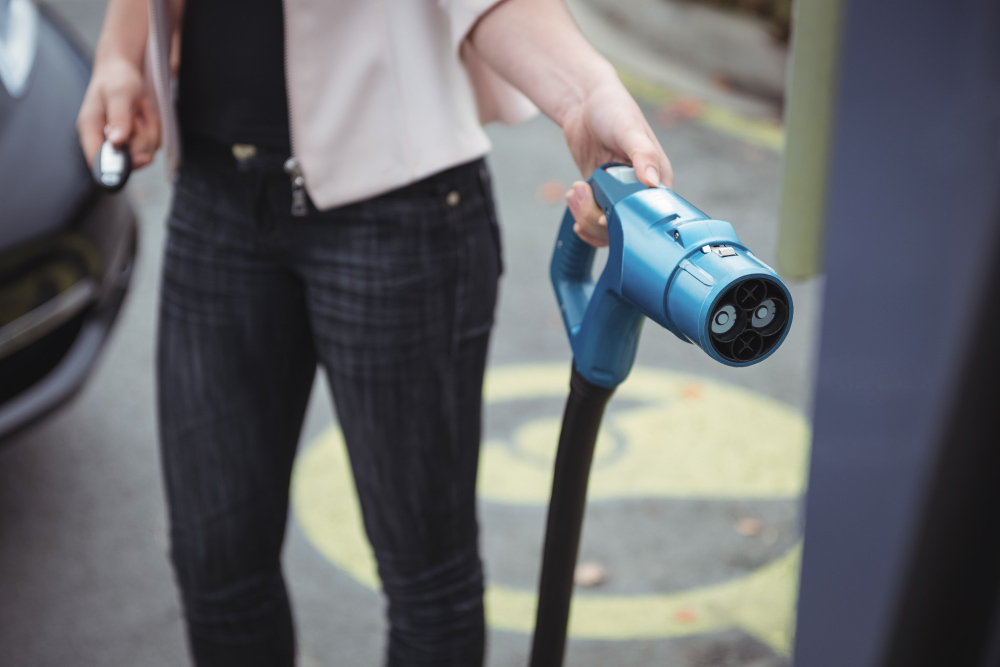
There are three common levels of EV chargers you’ll encounter:
- Level 1 (120V, slow): Plugs into a standard household outlet. Adds about 2–5 miles of range per hour. Good if you drive <30 miles daily and can charge overnight.
- Level 2 (240V, common for homes): Requires a dedicated circuit and hardwired or NEMA plug. Adds roughly 10–60 miles of range per hour depending on vehicle and charger power (typically 3.3–11 kW). Ideal for most homeowners.
- DC Fast Charging (480V+ commercial): Adds 60–200+ miles in 20–30 minutes. Found at public stations, workplace hubs, or commercial sites. Rare for single-family home installs due to cost, electrical service needs, and permitting.
Match charger power to your vehicle onboard charger, daily mileage, and available electrical capacity. Consider smart features (Wi‑Fi, scheduling, load management) if you want energy optimization or utility time-of-use savings.
Steps for Residential Installation
Start with a home electrical assessment by a licensed electrician to confirm service capacity and panel space. They’ll check panel rating, spare breaker capacity, conduit routing, and distance from the panel to the parking spot.
Next, obtain any required permits and follow local code—your installer usually handles permit pulls. Typical installation steps: site visit, conduit/cable run, mount charger, install dedicated breaker and grounding, program settings, and test charge. If your panel lacks capacity, options include upgrading the service, installing a subpanel, or using load-sharing hardware.
Expect the electrician to label the new circuit, provide a certificate of completion, and advise about rebates or utility programs that may require specific equipment or documentation.
Selecting Qualified EV Charging Station Installers
Look for electricians with documented EV charger installations and relevant certifications (NABCEP not required; ask for NEC familiarity and manufacturer-certified installer status). Verify license number, insurance, and local reviews. Ask for references and photos of recent installs similar to yours.
Request a written quote that itemizes labor, parts, conduit length, any panel work, permit fees, and testing. Confirm warranty terms for both the charger and workmanship. If you live in a condominium or multi-unit building, choose installers experienced with common‑area metering, load management systems, and compliance with building rules.
Use local search, manufacturer installer locators, or services like Qmerit or Enphase’s installer lists to find vetted professionals and compare at least three bids before deciding.
Cost and Timeline for Installation
Typical Level 2 home installations range from about $400 to $2,500 for straightforward installs using existing panel capacity. Costs climb to $2,500–$6,000+ when you need a service upgrade, long trenching/conduit runs, or significant panel modifications. Condominium or commercial charging installations commonly run $5,000–$10,000 per station or more, depending on shared infrastructure and metering.
Timeline: a simple install can take 2–6 hours on site and one to three business days total including permit processing in many areas. Complex jobs with service upgrades or trenching often require several days of work plus 1–4 weeks for permits and utility coordination. Ask your installer for a permit timeline and a clear schedule before work begins.
Finding Trusted EV Charging Station Installers Near Me
Look for installers who combine verified electrical credentials, clear pricing, and local experience. Prioritize teams that provide site assessments, written quotes, and a realistic timeline for permitting and installation.
Evaluating Installer Credentials
Check for a licensed electrician with experience in Level 2 EV charger installations and a standing electrical contractor license in your province or state. Ask for their license number, proof of insurance (general liability and electrician’s E&O), and any local permits they routinely obtain.
Request references or recent project photos for homes similar to yours, such as single-family, townhouse, or condo setups. Confirm installers follow electrical code for load calculations, panel upgrades, and ground-fault protection. If you have a specific charger brand in mind, verify the installer is certified or trained to install that model.
Comparing Local EV Charging Installation Services
Compare at least three EV charging station installers near me on these concrete items: a fixed-price written quote, estimated timeline (site visit to completion), and whether they handle permits and utility coordination. Note add-on costs like panel upgrades, trenching, conduit, or HOA approvals so quotes remain comparable.
Use a simple checklist to score bids:
- Written itemized quote (yes/no)
- Permit handling (yes/no)
- Time from site visit to install (days)
- Warranty on workmanship (months/years)
- Charger brand experience (list) This helps you identify the best value, not just the lowest price.
Warranty and Support Options
Confirm the length and scope of both the charger’s manufacturer warranty and the installer’s workmanship warranty. Ask whether the installer offers follow-up service visits or remote troubleshooting, and whether emergency call-outs incur extra fees.
Get warranty terms in writing, including what voids coverage (unauthorized modifications, weather exposure, etc.). Check who manages warranty claims: the installer, the manufacturer, or a third party. Clarify response times for repairs and whether replacement parts are stocked locally.