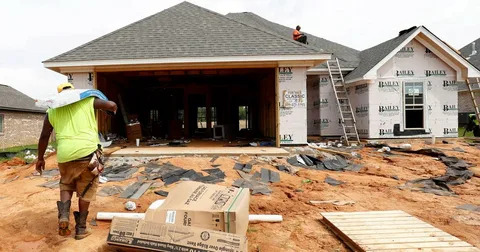
General Contractor Colorado City TX
Starting a construction project involves many decisions, from choosing materials to setting a realistic budget and managing different stages of work. Whether a property owner is planning a new building, updating an existing home, or improving a commercial space, proper project management plays an important role in achieving the desired results. Working with a general contractor Colorado City TX can help property owners understand what happens during construction and how each stage moves toward completion.
A general contractor typically coordinates construction activities, manages subcontractors, monitors project progress, and helps keep work aligned with approved plans. This coordination is important because construction involves several connected tasks. Delays in one area can affect other parts of the project.
For example, electrical work may need to be completed before certain walls are closed, while flooring installation usually takes place after major interior construction activities. Understanding this sequence helps property owners prepare for the process and make informed decisions.
From the initial site preparation to the final inspection, each construction stage requires attention to detail. Knowing what to expect can make communication easier, reduce confusion, and help property owners stay involved throughout the project.
1. Initial Planning and Project Preparation
Construction begins long before workers arrive at the property. The planning stage establishes the project’s direction, identifies important requirements, and helps determine how the work will be completed.
Understanding the Project Requirements
A general contractor first needs to understand the property owner’s goals. Every construction project has different requirements based on the building’s purpose, condition, size, and intended use.
For example, a residential project may involve building additional living space, changing an existing layout, or updating older rooms. A commercial project may require structural improvements, interior construction, or changes to accommodate business operations.
During the initial discussions, the contractor may review:
-
The property’s existing condition.
-
The intended purpose of the construction.
-
The desired layout and design.
-
Structural and functional requirements.
-
Material preferences and project priorities.
-
Expected completion timelines.
-
Budget considerations.
These details help establish a clear understanding between the property owner and construction team.
Reviewing Plans and Project Details
Once the main requirements are understood, the next step involves reviewing available drawings, specifications, and design details.
Construction plans help explain dimensions, structural elements, room arrangements, and other important features. They also provide guidance for different trades working on the project.
If a property owner plans to update an older building, the contractor may need to consider existing plumbing, electrical systems, walls, and flooring before recommending changes.
Additionally, the planning process can identify areas that require further inspection before construction begins. This preparation helps reduce confusion once physical work starts.
Establishing a Realistic Budget and Schedule
A construction budget should account for more than basic labor and materials. Depending on the project, expenses may include site preparation, equipment, subcontractors, permits, finishing materials, and unexpected repairs.
A general contractor can help organize these cost categories and explain how different project decisions may affect the overall budget.
Similarly, the construction schedule should account for the order of work, material availability, inspections, and coordination between trades.
A realistic plan provides a useful starting point for managing expectations throughout construction.
2. Site Preparation and Early Construction Work
After planning and project details are established, the construction team can begin preparing the property. This stage creates the conditions needed for the remaining work.
Inspecting and Preparing the Construction Site
Site preparation depends on the property’s condition and the type of project.
For new construction, the work may involve clearing the designated area, checking ground conditions, establishing access points, and preparing the location for foundation work.
For renovation projects, preparation may include protecting existing areas, removing selected materials, and identifying components that need replacement.
Before work begins, the contractor should also consider access for workers, equipment, and material deliveries.
Proper site organization helps reduce unnecessary interruptions and supports safer working conditions.
Managing Demolition and Removal
Some construction projects require the removal of existing structures or building components.
For example, a residential renovation may involve removing old cabinets, damaged flooring, outdated fixtures, or selected interior walls. However, removing structural elements requires careful evaluation and appropriate planning.
A contractor should distinguish between components that can be removed and those that support the building.
This is particularly important in older properties, where previous modifications may affect the original structure.
Preparing for Foundation and Structural Work
For new construction and projects involving structural changes, foundation preparation is an important step.
Depending on the building and site conditions, this work may involve excavation, grading, formwork, reinforcement, and concrete placement.
Structural work must follow the approved construction plans and applicable building requirements.
Moreover, foundation work needs proper coordination with plumbing and other systems that may pass through or beneath the structure.
Completing these early tasks correctly provides a stable starting point for the next construction stages.
3. Coordinating Subcontractors and Construction Activities
One of the most important responsibilities of a general contractor Colorado City TX is coordinating the different professionals involved in a construction project.
A building project may require electricians, plumbers, concrete workers, carpenters, flooring installers, painters, and other specialists. Each trade has specific responsibilities, and their work must follow the correct sequence.
Scheduling Different Trades
Construction activities are connected. One trade often needs to complete its work before another can begin.
For example, a typical interior construction sequence may include:
-
Completing structural and framing work.
-
Installing necessary plumbing and electrical systems.
-
Completing required inspections.
-
Installing insulation and closing walls where applicable.
-
Completing drywall and surface preparation.
-
Installing flooring, cabinets, and other interior finishes.
-
Completing painting, fixtures, and final details.
The exact sequence depends on the building design and project requirements.
A contractor helps organize these activities so workers can complete their responsibilities without unnecessary scheduling conflicts.
Maintaining Communication Between Workers
Clear communication is necessary when several trades work on the same property.
For instance, cabinet installation may depend on accurate measurements and the completion of plumbing or electrical connections. If these details are not coordinated, adjustments may become necessary later.
The general contractor serves as an important communication point between the property owner, subcontractors, suppliers, and other project participants.
This helps ensure that everyone understands the approved plans and knows when their work is scheduled.
Handling Material Deliveries
Materials must arrive at the appropriate stage of construction.
Ordering materials too early can create storage problems, while late deliveries may delay scheduled work.
A contractor may coordinate delivery dates based on the construction schedule and the needs of different trades.
Additionally, checking delivered materials against project specifications helps identify incorrect or damaged items before installation.
Effective coordination supports a more organized construction process and helps prevent avoidable disruptions.
4. Monitoring Construction Quality and Project Progress
Construction quality depends on more than completing individual tasks. Materials, workmanship, measurements, and installation methods all influence the final result.
A general contractor helps monitor these areas throughout the project.
Reviewing Work at Different Stages
Construction should be reviewed as work progresses rather than waiting until the final day.
For example, framing should be checked before walls are closed. Plumbing and electrical installations may also require inspection before they become difficult to access.
Similarly, flooring preparation should be evaluated before the finished material is installed.
These reviews can help identify problems while they are still easier to address.
Following Plans and Specifications
Approved drawings and project specifications provide important guidance for construction work.
The contractor helps coordinate the work with these documents and communicates when a proposed change may affect the design, cost, or schedule.
For example, a property owner may decide to change the location of a doorway or select different flooring after construction has started.
Such changes may affect framing, electrical placement, material quantities, and installation schedules.
Therefore, changes should be reviewed before workers proceed with the affected tasks.
Addressing Construction Issues
Unexpected conditions can occur during almost any construction project.
An older property may contain damaged framing, outdated wiring, plumbing problems, or hidden moisture damage. New construction may also encounter site conditions that require adjustments.
When an issue appears, the contractor should explain the problem, discuss possible solutions, and identify any impact on the budget or timeline.
This approach allows property owners to make informed decisions instead of relying on assumptions.
Furthermore, documenting important changes and approvals helps maintain a clear project record.
5. Managing Interior Construction and Finishing Work
As the main structural and installation activities progress, attention shifts toward interior construction and finishing details.
This stage is important because it affects how the completed building looks, feels, and functions.
Installing Flooring and Interior Systems
Flooring is an important part of interior construction because it affects both appearance and everyday use.
Different projects may require hardwood, tile, polished concrete, or luxury vinyl flooring. Each material has different preparation and installation requirements.
Before installation, the surface should be evaluated for cleanliness, levelness, and other conditions that may affect performance.
Interior construction may also involve:
-
Partition walls and room divisions.
-
Ceiling systems and custom ceiling features.
-
Interior doors and trim.
-
Built-in storage and millwork.
-
Electrical fixtures and lighting.
-
Plumbing fixtures and connections.
-
Final surface treatments.
Proper coordination helps these elements work together as part of the overall interior design.
Completing Kitchen and Bathroom Improvements
Kitchen and bathroom projects often require several trades to work together.
Kitchen improvements may involve cabinets, countertops, plumbing fixtures, electrical connections, lighting, and changes to the room layout.
Bathroom work may include showers, bathtubs, sinks, toilets, tile, ventilation, and plumbing updates.
These areas require careful planning because mistakes can affect water management, electrical safety, and daily use.
For example, a bathroom renovation may require checking the condition of existing plumbing before new fixtures are installed. Similarly, kitchen cabinet placement should account for appliance dimensions and utility connections.
Property owners considering kitchen, bathroom closet remodels Midland TX may also benefit from understanding how these improvements connect with broader interior construction requirements.
Adding the Final Design Details
Finishing work brings different construction elements together.
This may include painting, installing trim, fitting hardware, placing fixtures, and completing decorative details.
The contractor should help ensure that the selected finishes match the approved project specifications.
Additionally, these details should be reviewed for proper alignment, installation, and overall consistency.
A well-coordinated finishing stage helps create a completed space that supports the property’s intended use.
6. Managing Timelines, Budgets, and Unexpected Changes
Even carefully planned construction projects can experience delays or changes. Material availability, weather, inspection requirements, and unexpected site conditions may affect the schedule.
A contractor helps manage these situations and communicate their impact.
Tracking Construction Progress
A construction schedule provides a reference for measuring progress.
The contractor can review completed activities, upcoming tasks, and areas where additional coordination may be needed.
For example, if electrical installation takes longer than expected, drywall work may need to be rescheduled.
Tracking progress helps identify scheduling problems before they affect several other activities.
Controlling Project Costs
Budget management requires regular attention.
Material substitutions, additional labor, design changes, and unexpected repairs can affect project expenses.
A contractor should communicate proposed changes and explain their financial impact before additional work is approved.
For example, replacing damaged subflooring during a renovation may increase costs but could be necessary to support the new flooring properly.
Property owners should understand the difference between the original project scope and any newly identified work.
Keeping records of estimates, approved changes, and payments helps maintain financial clarity.
Adjusting to Unexpected Conditions
Some construction issues cannot be identified until existing materials are removed or certain areas become accessible.
A home renovation Midland TX project, for example, may reveal hidden water damage behind a bathroom wall or deteriorated flooring beneath an old surface.
In these situations, the contractor should explain:
-
What condition was discovered.
-
Why the issue requires attention.
-
Which repair options are available.
-
How the solution may affect project costs.
-
Whether the construction schedule needs adjustment.
Clear explanations help property owners understand why changes are necessary.
Moreover, maintaining flexibility in the original schedule and budget can make unexpected situations easier to manage.
7. Final Inspections, Project Completion, and Handover
The final construction stage focuses on reviewing completed work, addressing remaining issues, and preparing the property for use.
Although the main construction activities may be finished, several important tasks remain before the project can be considered complete.
Completing Final Inspections
Final inspections help determine whether the completed work meets applicable requirements and approved project specifications.
Depending on the project, inspections may involve structural elements, electrical systems, plumbing installations, and other building components.
Required inspections should be completed according to local building regulations and the project’s approval requirements.
The contractor can help coordinate these activities and communicate any corrections that are needed.
Preparing a Final Walkthrough
A final walkthrough gives the property owner an opportunity to review the completed project.
During this review, both parties can examine the finished spaces and identify items that need attention.
Examples may include:
-
Doors or cabinets that need adjustment.
-
Paint touch-ups.
-
Missing hardware.
-
Flooring or trim concerns.
-
Fixture installation issues.
-
Incomplete finishing details.
A written punch list can help organize these remaining tasks and track their completion.
Reviewing Project Documents
Before the project handover, property owners should review relevant documentation.
Depending on the scope of work, this may include permits, inspection records, product information, warranties, and maintenance instructions.
It is also useful to understand any applicable workmanship warranties and the process for reporting concerns after completion.
Understanding the Completed Project
A successful handover should leave the property owner with a clear understanding of the completed work and any remaining responsibilities.
For larger residential projects, this may include information about updated building systems, new fixtures, flooring care, and maintenance requirements.
For commercial properties, the handover may also involve operational details and documentation needed for ongoing building management.
This final stage helps ensure that the transition from construction to everyday use is organized and clear.
Frequently Asked Questions
1. What Does a General Contractor Do During Construction?
A general contractor coordinates construction activities, schedules subcontractors, manages project progress, and helps oversee work according to approved plans. The contractor may also coordinate material deliveries, communicate with property owners, and help address unexpected construction issues.
2. How Long Does a Construction Project Usually Take?
The timeline depends on the project’s size, complexity, design, material availability, and site conditions. Smaller renovations may take less time than new construction or major structural improvements. A contractor can provide a project-specific schedule after reviewing the work requirements.
3. Should Property Owners Visit the Construction Site Regularly?
Property owners can benefit from scheduled site visits and progress discussions. These visits provide opportunities to review completed work, ask questions, and discuss important decisions. However, site access should follow the contractor’s safety guidelines and construction arrangements.
4. What Should Property Owners Discuss With a General Contractor Before Construction Begins?
Property owners should discuss the project scope, budget, construction schedule, material selections, communication process, payment arrangements, permits, and responsibilities. They should also ask how unexpected repairs and design changes will be reviewed and approved.
Conclusion
Construction involves several connected stages, and each one requires proper planning, coordination, and attention to detail. From preparing the site and managing subcontractors to completing interior finishes and final inspections, a general contractor helps organize the activities needed to move a project toward completion.
Understanding what to expect during construction also allows property owners to make better decisions about budgets, materials, schedules, and design changes. Clear communication and regular progress reviews can help reduce confusion and keep everyone informed throughout the process.
For property owners considering residential construction, commercial improvements, or renovation work, choosing an experienced construction team is an important first step. J. Prieto Construction provides a starting point for exploring construction and improvement needs in the Midland area. Contact the team to discuss project requirements, review available options, and determine the next steps toward a well-planned construction project.