Why Is South Bend a Convenient Starting Point for a Fishing Adventure?
South Bend, Indiana, is a convenient starting point for anglers who want to explore the fishing opportunities of northern Indiana and the nearby waters of Lake Michigan. Its location makes it possible to plan a fishing adventure without staying directly along the shoreline, while nearby communities provide access to marinas, launch areas, and experienced fishing professionals. Whether someone is visiting the area for a weekend, spending time with family, or planning a dedicated fishing vacation, South Bend offers a practical base for organizing the trip. Anglers can explore different fishing environments, including rivers, inland lakes, and the Great Lakes region, depending on their interests and the season. A successful outing begins with understanding the available fishing locations, choosing an appropriate trip style, and allowing enough time to reach the departure point. Planning these details before traveling can make the experience more comfortable and help visitors enjoy their time on the water.
What Should Anglers Know About Fishing Charters Near South Bend?
Choosing fishing charters near South Bend gives anglers an opportunity to explore guided fishing experiences in northern Indiana and the surrounding Lake Michigan region. A charter trip generally includes a professional captain who understands local waters, fishing conditions, boat operation, and techniques suited to the targeted species. Depending on the selected location and service, an outing may focus on salmon, trout, bass, walleye, or other fish available in nearby waters. Some trips are designed for beginners who need guidance with basic equipment and fishing methods, while others are suitable for experienced anglers looking for a more focused day on the water. Before making a reservation, visitors should confirm the actual departure marina, trip duration, included equipment, licensing requirements, and any additional costs. South Bend itself is inland, so a Lake Michigan charter may require travel to a coastal departure community. Understanding this distinction helps anglers arrange transportation and arrive at the marina on time.
How Can You Choose the Right Fishing Location?
Selecting the right fishing location is one of the most important decisions when planning a guided outing. The best destination depends on the species an angler wants to catch, the time of year, the amount of travel involved, and the type of water experience they prefer. Visitors staying in South Bend may consider nearby rivers and inland waters for certain fishing opportunities, while anglers interested in Great Lakes species may travel toward Lake Michigan communities. Each environment offers different conditions, equipment needs, and fishing techniques. A captain or guide can explain which locations are suitable for a particular trip and whether weather or seasonal patterns affect the plan. It is useful to discuss the destination before booking instead of assuming that every charter advertised near South Bend departs from the city itself. Confirming the marina address, parking arrangements, and expected arrival time can prevent confusion on the morning of the trip and make the entire experience easier to organize.
Which Fish Species Can Anglers Target in the Region?
Northern Indiana and the nearby Lake Michigan area offer several fishing opportunities throughout the year. Depending on the location, season, and applicable regulations, anglers may encounter salmon, trout, steelhead, bass, walleye, perch, and other freshwater species. Lake Michigan is particularly well known for its salmon and trout fishing, attracting visitors who want to experience open-water fishing with experienced captains. Inland lakes and rivers provide different opportunities, with species and fishing methods varying from one waterway to another. It is important to remember that no fishing trip can guarantee a particular catch because fish activity changes with water temperature, food availability, weather, and seasonal movement. A knowledgeable guide can explain which species are realistic targets during the selected dates and recommend suitable equipment. Asking about the expected fishing focus before booking helps visitors understand the experience they are paying for and choose an outing that matches their interests.
When Is the Best Time to Plan a Fishing Trip?
The best time for a fishing trip depends on the species being targeted and the location where the outing will take place. Different fish follow seasonal patterns influenced by water temperature, spawning activity, food sources, and weather conditions. Spring may provide opportunities for anglers interested in certain river and lake species, while summer is a popular period for many visitors planning longer days on the water. Fall can bring changing fishing conditions and seasonal movement for several species, making it an interesting time for experienced anglers. Winter fishing opportunities are more limited in some locations and depend heavily on local conditions, access, and safety. Anyone planning a trip should contact the captain or guide for current seasonal information rather than relying entirely on general fishing calendars. A professional can explain which dates are suitable, what species are commonly targeted, and whether the trip schedule needs to be adjusted because of changing conditions.
What Makes Lake Michigan an Important Fishing Destination?
Lake Michigan is one of the major attractions for anglers visiting northern Indiana because of its size, variety of fish species, and established charter fishing communities. Its open water creates opportunities for guided trips that are different from ordinary shoreline or small-lake fishing. Salmon and trout are among the species that attract many visitors, and captains often use specialized equipment and techniques to locate fish in changing water conditions. A Lake Michigan outing can also provide beautiful views of the shoreline, surrounding communities, and the wide freshwater horizon. However, fishing on a large lake requires attention to weather, waves, boat safety, and the experience of the captain. Conditions can change, so departure decisions should always be based on safety and professional judgment. Anglers traveling from South Bend should confirm the exact launch location and allow enough time for the drive. Understanding the distance between the city and the marina is an important part of planning a comfortable fishing day.
Should Beginners Book a Guided Fishing Experience?
Beginners can benefit greatly from booking a guided fishing experience because learning fishing techniques is often easier with direct instruction. A professional captain or guide can explain how to handle rods, use reels, understand bait or lures, and follow basic safety practices. Instead of spending valuable time trying to figure out unfamiliar equipment, first-time anglers can receive practical guidance throughout the outing. A guided trip may also introduce visitors to techniques that are difficult to learn independently, particularly when fishing in deep or open water. Beginners should be comfortable asking questions before and during the trip, including questions about clothing, equipment, fish handling, and expected activity. It is also helpful to explain the experience level of everyone in the group when making a reservation. Some captains offer trips that are especially suitable for newcomers, while others may focus on advanced techniques. Choosing the right experience can make a first fishing adventure more enjoyable and educational.
What Should Families Consider Before Booking a Charter?
Families planning a fishing outing should consider the ages, comfort levels, and experience of everyone joining the trip. A family-friendly charter should provide clear information about the boat, trip duration, safety equipment, and any age-related requirements. Younger participants may enjoy shorter outings that allow them to learn basic fishing skills without becoming tired or uncomfortable. Parents should ask whether children are welcome, whether appropriately sized life jackets are available, and what supplies they should bring. It is also useful to understand the bathroom arrangements, seating options, and whether food and drinks are permitted. Families should discuss motion sensitivity before selecting a longer trip because open-water conditions can feel different from fishing along a protected shoreline. A captain who regularly works with families may be able to recommend a suitable schedule and explain what children can expect. Planning around everyone’s needs helps create a positive experience instead of making the outing feel rushed or stressful.
How Do Professional Captains Improve the Fishing Experience?
Professional captains contribute to a fishing trip through their knowledge of local waterways, navigation, equipment, and fishing methods. Their experience can help visitors understand where to begin, which techniques may be appropriate, and how changing conditions affect the day’s plan. Captains also manage important responsibilities connected with operating the boat and maintaining a safe environment. On unfamiliar waters, their knowledge can be especially valuable because anglers may not know the local launch areas, navigation markers, or areas that require extra attention. A good captain communicates clearly, explains the basic plan, and answers reasonable questions before departure. Visitors should remember that even an experienced professional cannot control fish movement or guarantee a catch. The captain’s role is to provide a well-organized and responsible fishing experience while making informed decisions based on current conditions. Choosing someone with suitable experience and proper credentials can make a meaningful difference in the quality of the outing.
What Equipment Is Usually Needed for a Charter Trip?
Fishing equipment requirements depend on the species being targeted and the methods used during the outing. Many guided trips provide essential rods, reels, tackle, bait, or other specialized equipment as part of the booking, but this should never be assumed. Anglers should ask the captain what is included and whether they are allowed to bring personal equipment. Lake Michigan salmon and trout trips may use techniques and gear that differ from those used for bass or river fishing. Visitors should also bring practical personal items such as weather-appropriate clothing, sunglasses, sunscreen, and a suitable hat. A waterproof jacket may be useful because conditions on the water can feel cooler than they do on land. Comfortable footwear with good grip can make moving around the boat easier. Keeping personal belongings organized in a small bag can also prevent unnecessary clutter. Confirming the equipment arrangement before departure ensures that everyone arrives prepared and avoids unexpected purchases or misunderstandings.
How Long Should You Spend on a Fishing Charter?
The ideal trip length depends on the destination, targeted species, travel time, and the expectations of the group. Shorter outings may work well for beginners, families, or visitors who want to experience guided fishing without spending an entire day on the water. Longer trips provide additional time for traveling to productive areas, adjusting techniques, and exploring changing conditions. However, a longer reservation does not automatically mean more fish or a better result. Fishing activity can vary throughout the day, and weather conditions may influence how much time a captain can safely spend on the water. Before booking, ask how long the trip lasts, whether the stated duration includes travel from the marina, and what happens if conditions require an early return. Visitors traveling from South Bend should also consider the drive to the departure point when planning their overall schedule. Allowing extra time for check-in, parking, and preparation can make the morning less stressful.
What Questions Should You Ask Before Making a Reservation?
Asking clear questions before making a reservation helps anglers understand the service and avoid unexpected problems. Start by confirming the departure marina and its complete address, particularly when booking a trip advertised as being near South Bend. Ask which fish species are targeted, what equipment is included, how many people can join, and how long the outing will last. It is also important to understand the total price, deposit requirements, cancellation policy, and possible additional charges. Visitors should ask whether fishing licenses are included or must be purchased separately and whether the captain provides guidance about local regulations. If children or inexperienced anglers are joining, confirm that the trip is suitable for them. Weather policies deserve attention because fishing on open water can be affected by changing conditions. A professional provider should be able to explain these details clearly. Taking a few minutes to discuss expectations before booking can help ensure that the selected trip matches the group’s needs.
How Can Weather Conditions Affect Your Fishing Plans?
Weather is one of the most important factors affecting fishing plans, particularly when an outing involves open water. Wind direction, wind speed, waves, rain, visibility, and temperature can influence both fish activity and boating conditions. A day that appears comfortable on land may feel much colder or rougher on the water. Sudden changes can also affect the captain’s decision about whether to depart, continue fishing, change locations, or return to the marina. Visitors should avoid making their own assumptions about safety based only on a general weather forecast. Instead, they should follow communication from the captain, who can consider local marine conditions and the boat’s capabilities. It is wise to bring clothing suitable for changing temperatures and to keep personal belongings protected from water. Anglers should also understand the provider’s weather cancellation and rescheduling policy before paying a deposit. Flexibility is valuable because a safe and enjoyable outing is more important than following an original schedule at all costs.
What Clothing Should You Wear for a Day on the Water?
Choosing appropriate clothing can make a fishing trip much more comfortable. Temperatures on the water may differ from those in South Bend, especially during early mornings or windy conditions. Wearing layers allows anglers to adjust as the weather changes throughout the day. A comfortable base layer, warm outer layer, and waterproof jacket can be useful depending on the season and forecast. Shoes should provide a stable grip and should be suitable for a wet boat surface. Sandals or footwear that can slip easily may not be the best choice. Sunglasses can reduce glare from the water, while sunscreen and a hat help protect against sun exposure. During cooler months, gloves and additional insulation may be helpful, although the exact clothing needs depend on the forecast and trip duration. Visitors should ask their captain whether there are any specific clothing recommendations. Preparing properly helps anglers focus on the experience rather than becoming distracted by discomfort.
Why Is Boat Safety Important During a Guided Trip?
Boat safety should remain a priority throughout every guided fishing outing. Even when traveling with an experienced captain, passengers need to listen carefully to instructions and follow the boat’s safety procedures. Life jackets should be available in appropriate sizes, and everyone should understand where safety equipment is located. Passengers should avoid moving around unnecessarily while the boat is underway and should hold secure surfaces when conditions become rough. Fishing rods, hooks, tackle boxes, and other equipment should be handled carefully to prevent accidental injuries. Children should receive clear instructions and remain under responsible adult supervision. Visitors should also tell the captain if they have mobility concerns, medical needs, or other circumstances that may affect their comfort on the boat. A responsible charter provider will explain important safety expectations before departure. Good preparation and cooperation help protect everyone and allow the group to enjoy the fishing experience with greater confidence.
Do You Need a Fishing License for the Trip?
Fishing license requirements depend on the state, waterway, species, and type of fishing activity. Anglers should not assume that a charter reservation automatically includes every required license or stamp. Before traveling, ask the captain which licenses are necessary and whether the provider handles any part of the licensing process. Indiana waters have their own fishing rules, while fishing in Lake Michigan may involve state-specific requirements depending on where the boat operates. Visitors should check current official regulations because license fees, eligibility rules, seasons, and other requirements can change. If a trip crosses into waters managed by another state, the applicable rules may also change. The captain should be able to explain the relevant arrangements for the planned route, but each angler should understand their responsibilities as well. Confirming licensing details before the trip helps prevent avoidable problems and supports responsible fishing practices. Keeping proof of any required license available during the outing is a sensible precaution.
How Can You Understand Local Fishing Regulations?
Local fishing regulations help protect fish populations and maintain healthy waterways for future generations. Rules may cover seasonal closures, minimum and maximum fish sizes, daily possession limits, approved equipment, and restrictions on certain species or locations. These requirements can differ between inland waters and the Great Lakes, so anglers should identify the exact fishing area before relying on a general rule. Regulations may also change from one year to another, making current official information more reliable than old articles or informal advice. A professional captain can explain the rules relevant to the trip and help passengers understand which fish may be kept. Anglers should never assume that every fish caught can legally be taken home. Responsible fish handling and careful attention to legal limits are essential parts of a successful outing. Reviewing the applicable regulations before departure allows visitors to focus on fishing while respecting the environment and local requirements.
What Fishing Techniques Might You Learn on a Guided Outing?
A guided fishing outing can introduce visitors to several techniques depending on the targeted species and location. Trolling is commonly used in large-water fishing and involves moving the boat while fishing lines are presented behind or beside it. Casting is another familiar method that can be suitable for different environments and species. Some trips may involve bottom fishing, drifting, jigging, or other specialized approaches. Each technique requires different equipment and an understanding of how fish respond to changing conditions. Beginners may learn how to hold a rod correctly, manage line tension, recognize a bite, and safely bring a fish toward the boat. Experienced anglers may benefit from observing how a captain adjusts equipment, speed, and presentation during the trip. The most appropriate technique depends on the fishing plan rather than personal preference alone. Asking the guide to explain the method before starting can make the experience more educational and help passengers understand what is happening throughout the day.
How Should You Prepare for a Fishing Trip From South Bend?
Preparing for a fishing trip from South Bend involves more than packing fishing equipment. Visitors should first confirm the exact marina, departure time, parking arrangements, and expected driving distance. Since some Lake Michigan fishing trips depart from coastal communities rather than South Bend itself, checking the route in advance is especially important. Plan to arrive early enough to meet the captain, organize personal belongings, and complete any required paperwork. Check the weather forecast, but continue following the captain’s updates because marine conditions may differ from general land forecasts. Bring water, snacks if permitted, suitable clothing, sunscreen, and any personal medication needed during the outing. It is also helpful to charge a mobile phone and share the trip details with someone who is not attending. Good preparation reduces last-minute confusion and gives everyone more time to enjoy the experience. A little organization before leaving home can make the entire fishing day smoother.
What Should You Know About Fishing With Children?
Taking children on a fishing trip can create a memorable family experience, but the outing should be planned around their comfort and safety. Parents should confirm the minimum age requirements, available life jackets, trip duration, and whether the boat has suitable facilities. Children may become tired or distracted during longer outings, so choosing a trip with a manageable schedule can be helpful. Bringing snacks, drinking water, sunscreen, warm clothing, and any necessary personal supplies can make the experience easier. Parents should explain basic boat safety rules before arriving and remind children to handle hooks and fishing equipment only with adult guidance. A captain who has experience working with families may offer suggestions about the best trip style for younger passengers. It is also important to prepare children for the possibility that fish may not bite consistently. Focusing on learning, teamwork, and time outdoors can make the outing enjoyable even when the catch is smaller than expected.
Can Experienced Anglers Benefit From Hiring a Guide?
Experienced anglers can still gain valuable knowledge from a professional guide, particularly when fishing unfamiliar waters. Knowing how to fish in one location does not necessarily mean understanding the currents, depths, seasonal patterns, and local regulations of another. A captain who regularly works in the region may provide insight into techniques, equipment choices, and areas that visitors would struggle to identify independently. Guided outings can also save time by reducing the need to arrange a boat, study unfamiliar navigation routes, or purchase specialized equipment. Experienced visitors may want to discuss their preferred fishing methods and target species before booking to ensure that the trip offers an appropriate level of challenge. Some anglers enjoy learning new approaches, while others prefer a relaxed outing focused on spending time on the water. Clear communication helps the captain understand what the group wants. A well-selected guide can make the day productive, educational, and enjoyable regardless of experience level.
What Factors Can Influence the Cost of a Charter?
The cost of a guided fishing trip can vary according to the destination, boat size, trip duration, season, number of passengers, and equipment provided. Some services offer a fixed price for a private group, while others may have different arrangements depending on passenger numbers. Additional expenses may include licenses, fish cleaning, gratuities, parking, transportation, or optional services. Anglers should request a clear explanation of the total cost before confirming a reservation. It is also useful to ask whether a deposit is required and whether it can be refunded if weather conditions prevent the trip from operating. Comparing prices without checking what each provider includes can lead to misleading conclusions. A lower advertised price may not cover the same equipment or services as another option. The best choice is not necessarily the least expensive one, but the provider that offers clear terms, suitable experience, appropriate safety practices, and a trip that matches the group’s expectations.
How Can You Find a Reliable Charter Provider?
Finding a reliable provider requires looking beyond an attractive advertisement or a low price. Start by checking whether the captain has relevant experience, appropriate credentials, and a clear understanding of the waters where the trip will operate. Read recent customer reviews carefully and look for consistent comments about communication, professionalism, boat condition, and overall service. A few negative reviews do not always tell the complete story, but repeated concerns about safety, hidden costs, or poor communication deserve attention. Contact the provider directly and ask questions about departure arrangements, trip length, included equipment, licensing, and weather policies. A professional service should explain its booking terms without pressuring visitors into making an immediate payment. Anglers should also verify the exact departure location because the phrase South Bend may be used broadly to describe trips serving the surrounding region. Taking time to compare providers helps visitors make a more informed decision.
What Should You Expect on the Morning of Departure?
The morning of a fishing trip usually begins with arriving at the marina, meeting the captain, and preparing for departure. Passengers may need to complete paperwork, review safety instructions, organize personal belongings, and listen to an explanation of the day’s fishing plan. Arriving late can delay the group and may reduce the available time on the water, so it is sensible to follow the arrival time provided during booking. Once aboard, the captain may explain where equipment is stored, how passengers should move around the boat, and what to do when a fish is hooked. The route and fishing method may depend on current conditions, so the original plan can sometimes change. Passengers should remain flexible and communicate politely if they have questions or need assistance. Keeping personal items organized and following instructions helps the departure process run smoothly. A calm and prepared start can set a positive tone for the rest of the outing.
How Can You Make the Most of a Day on the Water?
Making the most of a fishing trip involves being prepared, staying engaged, and maintaining realistic expectations. Listen to the captain’s instructions, pay attention when techniques are demonstrated, and ask questions when something is unclear. Fishing conditions can change throughout the day, so patience is important. There may be periods when fish are active and other periods when the group needs to wait or adjust its approach. Use quieter moments to enjoy the surroundings, observe the water, and learn more about the local fishing environment. Keep drinking water available and take breaks when appropriate. If the captain changes locations or techniques, understand that these decisions are often based on conditions and experience. Avoid measuring the entire outing only by the number of fish caught. Learning new skills, spending time with friends or family, and enjoying the outdoor setting are also valuable parts of the experience. A positive attitude can make the trip rewarding even when fishing is challenging.
What Happens if the Fishing Conditions Are Slow?
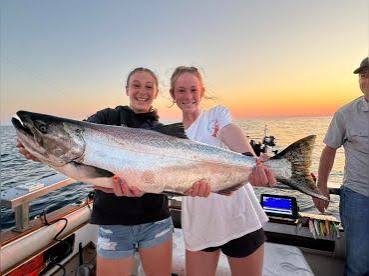
Fishing is an outdoor activity, and there is no guarantee that every outing will produce a large catch. Fish may become less active because of temperature changes, feeding patterns, water clarity, wind, pressure changes, or other environmental factors. A professional captain may respond by changing the fishing location, adjusting the equipment, or trying another technique. These adjustments are part of the process and do not necessarily mean that the trip has been poorly planned. Anglers should understand the difference between a guaranteed service and a guaranteed catch. Most responsible providers can promise their time, equipment, and professional effort, but they cannot control the natural behavior of fish. Visitors should ask about the provider’s policies before booking and avoid relying on promotional photographs as a promise of identical results. Staying patient and treating the trip as a learning experience can help everyone enjoy the day, regardless of how many fish are caught.
How Should You Handle and Care for Your Catch?
Proper fish handling is important for maintaining fish quality and protecting the resource. Once a fish is brought aboard, passengers should follow the captain’s instructions about where to place it and how to handle it safely. Hooks can cause injuries, so anglers should avoid grabbing equipment or fish without guidance. If a fish is intended to be kept, it should be handled according to the captain’s recommendations and applicable regulations. Fish that must be released should be treated carefully to reduce unnecessary stress and improve their chances of survival. Avoid keeping fish that do not meet legal size or possession requirements. Visitors should also ask whether fish cleaning or packaging is included in the trip price or offered as an additional service. If the group plans to take fish home, it is helpful to bring a suitable cooler in accordance with the provider’s instructions. Responsible handling ensures that the fishing experience respects both the catch and the surrounding environment.
Why Is Environmental Responsibility Important for Anglers?
Responsible fishing helps protect aquatic ecosystems and supports healthy fish populations for future generations. Anglers can contribute by following local regulations, respecting size and possession limits, and avoiding unnecessary disturbance to wildlife. Fishing line, plastic packaging, food wrappers, and other waste should never be left in the water or along the shoreline. Passengers should use designated disposal facilities and keep the boat clean throughout the outing. When releasing fish, careful handling can reduce injury and improve the likelihood of survival. Visitors should also respect other boats, anglers, and people using the waterway. A professional captain can explain local conservation practices and encourage passengers to follow responsible habits. Environmental responsibility is not limited to experienced anglers; beginners and families can learn these principles during a guided outing. Protecting the waterways helps preserve the quality of fishing opportunities and keeps the natural surroundings enjoyable for everyone who visits the region.
How Can You Combine Fishing With a Visit to South Bend?
A fishing trip can be part of a larger visit to South Bend, allowing travelers to enjoy both outdoor activities and the city’s attractions. Visitors may choose to spend one day fishing and another exploring local dining, parks, cultural attractions, or nearby communities. This approach works well for families and groups where not everyone wants to spend an entire vacation on the water. Travelers should organize their schedule around the charter’s departure time and allow sufficient driving time between South Bend and the selected marina. If the fishing trip begins early in the morning, staying close to the departure area the night before may be convenient. After returning, visitors can plan a relaxed evening rather than arranging several demanding activities. Checking local opening hours and travel distances before the visit helps create a realistic schedule. Combining fishing with other activities can turn a single outing into a more complete regional vacation.
What Makes a Private Charter Different From Other Fishing Options?
A private charter generally provides a more dedicated experience for a specific group, while other fishing arrangements may involve sharing a boat with passengers who booked separately. The right option depends on budget, group size, privacy preferences, and the type of experience visitors want. Private trips may offer greater flexibility when discussing departure times, fishing goals, and the needs of individual passengers, although the captain’s schedule and safety requirements still apply. Shared outings can sometimes provide a more affordable way to experience guided fishing, but passengers should understand how the group arrangement works before booking. Ask how many people will be aboard, whether the captain accepts additional passengers, and how equipment is organized. It is also useful to clarify whether the quoted price applies to the entire boat or each individual. Understanding these differences helps visitors choose an arrangement that fits their expectations without confusion about the service being provided.
How Far in Advance Should You Reserve a Fishing Trip?
Booking in advance is often helpful, especially during popular fishing seasons, weekends, and holiday periods. Experienced captains may receive reservations from local anglers and visitors who plan their trips months ahead. Waiting until the last moment can limit the available departure dates, boat sizes, or trip options. Early planning also gives visitors time to compare providers, confirm the marina, arrange transportation, and understand the booking conditions. Before paying a deposit, review the cancellation policy and ask how schedule changes are handled. If the trip depends on a particular species or seasonal opportunity, discuss the expected timing with the captain rather than selecting dates without guidance. Travelers coming from outside the region should coordinate the charter with their accommodation and other activities. Reserving early does not remove the possibility of weather-related changes, but it can make the overall planning process more organized and give the group a better chance of securing a suitable date.
What Should You Remember When Comparing Fishing Charters Near South Bend?
When comparing fishing charters near South Bend, focus on the details that determine whether a trip is suitable for your group. Check the departure location, captain’s experience, boat capacity, targeted species, trip duration, equipment arrangements, licensing requirements, and total price. Read customer feedback and look for clear communication about safety and weather policies. If you are traveling from South Bend to a Lake Michigan marina, calculate the driving time and confirm parking before departure. Families should ask about child-friendly arrangements, while experienced anglers may want to discuss specific techniques and fishing goals. It is also important to understand what happens if conditions change or fishing activity is slow. A careful comparison helps you avoid choosing a provider based only on a photograph or headline. The best trip is one that offers suitable arrangements, responsible guidance, transparent booking terms, and an experience that matches what you and your group hope to enjoy.
How Can You Turn a Fishing Outing Into a Memorable Experience?
A memorable fishing outing is created through preparation, shared experiences, and an appreciation of time spent outdoors. The excitement of reaching the water, learning a new technique, watching the rods, and working together when a fish is hooked can make the day enjoyable for people with different experience levels. Even quiet moments can become meaningful when passengers have time to talk, observe the surroundings, and enjoy the open-water environment. Taking photographs can help preserve special moments, but passengers should always follow the captain’s instructions and keep safety ahead of photography. Families can make the experience more engaging by allowing children to participate in age-appropriate activities and learn about local fish species. Friends can enjoy the outing as a shared adventure away from everyday routines. A successful trip does not have to be measured only by the size of the catch. The memories, knowledge, and time together can be just as valuable.
Why Should You Plan Your Next Fishing Adventure Carefully?
Planning carefully helps ensure that every part of a fishing trip works together, from choosing a suitable destination to arriving at the marina on time. Start by identifying the type of fishing experience you want, then compare providers who operate in the relevant waters. Confirm the departure point, targeted species, trip duration, equipment, licenses, safety arrangements, and total cost before making a reservation. Prepare clothing and personal supplies according to the season, and remain flexible because weather and fishing conditions can change. If you are traveling from South Bend, remember that some of the region’s most popular Lake Michigan charters operate from nearby coastal communities rather than from the city itself. Clear communication with the captain can help you choose an appropriate date and understand what to expect. With thoughtful preparation and realistic expectations, a guided fishing trip can become an enjoyable way to explore the region, develop fishing skills, and spend meaningful time on the water.
Are You Ready to Enjoy a Fishing Adventure Near South Bend?
A well-planned fishing trip offers much more than the opportunity to catch fish. It provides a chance to explore northern Indiana’s outdoor surroundings, learn from experienced professionals, and enjoy time with friends or family. Whether you are interested in Lake Michigan salmon and trout, inland fishing opportunities, or a beginner-friendly guided outing, the right preparation can help you select an experience that fits your goals. Take time to compare providers, confirm departure details, understand regulations, and ask questions before booking. Remember that weather, seasonal patterns, and natural fish behavior can influence the results, so flexibility and patience are essential. For anglers looking to learn more, plan future outings, and make informed decisions about fishing opportunities, Fish Master Guide can be a helpful resource for exploring fishing information and preparing for the next adventure.