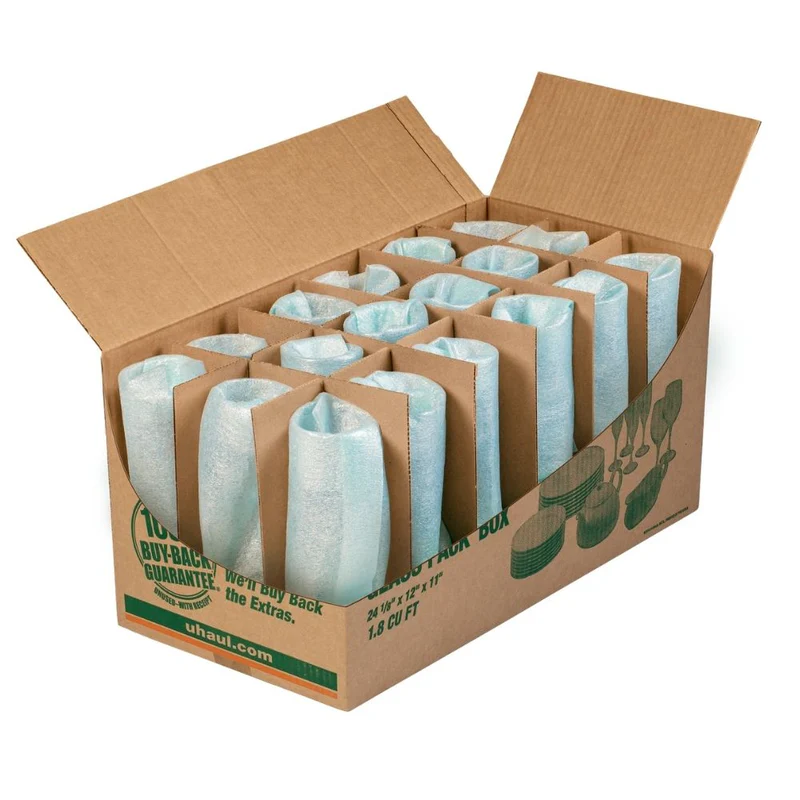
Glass packaging for shipping plays a decisive role in protecting fragile products while preserving brand integrity, sustainability goals, and customer satisfaction. We understand that glass containers are widely used across industries such as food and beverage, cosmetics, pharmaceuticals, chemicals, and luxury goods. Shipping glass safely requires a strategic approach that combines material science, packaging engineering, logistics planning, and compliance with global shipping standards.
This comprehensive guide delivers a deep, practical understanding of glass packaging for shipping, covering best practices, materials, how to package glass items for shipping, designs, sustainability considerations, and cost-efficiency—positioning businesses to ship glass products with confidence and precision.
Why Glass Packaging Is Preferred for Shipping Premium Products
Glass remains one of the most trusted packaging materials worldwide. Its inherent properties provide unmatched advantages when shipping sensitive or high-value goods.
Key benefits of glass packaging include:
-
Non-reactive and inert composition that preserves product purity
-
Exceptional barrier properties against air, moisture, and contaminants
-
Premium aesthetic appeal that enhances brand perception
-
Recyclability and sustainability, supporting circular economy goals
-
Heat and chemical resistance, ideal for pharmaceuticals and food products
When paired with the right shipping solutions, glass packaging for shipping ensures products arrive intact, safe, and visually flawless.
Understanding the Challenges of Shipping Glass Packaging
Despite its advantages, glass presents logistical challenges. We address these challenges through optimized packaging systems designed to mitigate risk.
Common challenges include:
-
Fragility and susceptibility to impact
-
Increased weight compared to plastic alternatives
-
Risk of breakage during handling, stacking, and transit
-
Compliance with international shipping and safety regulations
By adopting industry-proven methods, these challenges can be effectively controlled.
Types of Glass Packaging Commonly Shipped
Different industries rely on specialized glass formats. Each type requires tailored shipping protection.
Glass Bottles
Widely used for beverages, oils, perfumes, and chemicals, glass bottles demand shock-absorbing packaging and vertical stability.
Glass Jars
Common in food, cosmetics, and supplements, glass jars require cushioning to prevent lid stress and sidewall impact.
Glass Vials and Ampoules
Highly sensitive pharmaceutical containers that demand precision packaging, often involving molded inserts and secondary containment.
Decorative and Luxury Glass Containers
High-end products need protective solutions that maintain both structural integrity and visual appeal.
Best Materials for Glass Packaging Shipping Protection
Selecting the correct protective materials is essential for successful glass shipping.
Corrugated Cardboard Boxes
High-strength corrugated shipping boxes provide structural support and stacking strength. Double-wall and triple-wall corrugation are ideal for heavier glass loads.
Molded Pulp Inserts
Eco-friendly and custom-fit, molded pulp cradles glass items securely while reducing environmental impact.
Foam Inserts and Dividers
EPE and EPS foam inserts offer superior shock absorption, ideal for long-distance or international shipping.
Honeycomb Paper and Kraft Wrap
Sustainable alternatives that provide cushioning and compression resistance without plastic.
Air Pillows and Bubble Wrap
Used as supplementary void fill to prevent movement within shipping cartons.
Advanced Packaging Design for Shipping Glass Safely
Professional packaging design transforms fragile glass into a shippable asset.
Compartmentalized Packaging Systems
Individual compartments prevent glass-on-glass contact, dramatically reducing breakage rates.
Suspension Packaging
Suspends glass items within the box, absorbing impact forces from all directions.
Double-Boxing Techniques
An inner protective box placed inside an outer shipping carton enhances shock resistance during transit.
Tamper-Evident and Leak-Proof Sealing
Critical for liquids, pharmaceuticals, and chemicals, ensuring safety and regulatory compliance.
Shipping Glass Packaging Across Different Industries
Food and Beverage Industry
Glass packaging for food shipping prioritizes hygiene, temperature stability, and impact protection. Wine, spirits, sauces, and oils benefit from reinforced dividers and moisture-resistant liners.
Pharmaceutical and Medical Sector
Compliance-driven packaging solutions focus on sterility, vibration control, and traceability. Glass vials and ampoules require precision-engineered inserts.
Cosmetics and Personal Care
Luxury glass packaging must arrive pristine. Aesthetic protection is as important as structural integrity, making premium inserts and custom boxes essential.
Chemical and Industrial Applications
Hazardous materials shipped in glass demand UN-certified packaging, secondary containment, and leak prevention systems.
Sustainable Glass Packaging for Shipping
Sustainability is no longer optional. We emphasize eco-conscious shipping solutions that align with modern environmental standards.
Sustainable strategies include:
-
Using 100% recyclable glass containers
-
Replacing plastic fillers with molded pulp or paper-based cushioning
-
Designing right-sized packaging to reduce material waste
-
Implementing reusable shipping crates for B2B logistics
-
Minimizing carbon footprint through optimized palletization
Glass, when combined with sustainable protective materials, becomes one of the most environmentally responsible shipping options available.
Cost Optimization in Glass Packaging Shipping
Shipping glass does not have to be cost-prohibitive. Strategic planning significantly reduces expenses.
Weight Reduction Techniques
Lightweight glass formulations and optimized bottle shapes lower shipping costs without compromising strength.
Dimensional Efficiency
Custom-sized cartons reduce dimensional weight charges and improve pallet density.
Bulk Shipping and Palletization
Layered dividers and stretch wrapping allow secure palletized shipping for large volumes.
Damage Reduction Savings
Investing in high-quality packaging minimizes breakage, returns, and replacement costs.
Compliance and Safety Standards for Shipping Glass Packaging
Adhering to regulations ensures smooth transit and market access.
Key considerations include:
-
UN packaging certification for hazardous goods
-
ISTA testing for drop, vibration, and compression
-
FDA and EU food-contact compliance
-
Pharmaceutical GMP and GDP requirements
-
Proper labeling and handling instructions
Compliance-driven packaging safeguards both products and brand reputation.
Future Trends in Glass Packaging for Shipping
Innovation continues to refine how glass is shipped globally.
Emerging trends include:
-
Smart packaging with impact indicators
-
Hybrid packaging combining glass and protective polymers
-
AI-optimized packaging design for logistics efficiency
-
Increased use of refillable and returnable glass systems
-
Carbon-neutral shipping solutions
These advancements ensure that glass packaging for shipping remains competitive, resilient, and future-ready through custom box designs.
Why Strategic Glass Packaging for Shipping Matters
Glass packaging is more than a container—it is a statement of quality, safety, and sustainability. By implementing engineered protective systems, businesses ensure products arrive safely, customers remain satisfied, and brands maintain trust.
We deliver shipping solutions that transform fragile glass into a reliable, scalable, and eco-friendly packaging choice—optimized for modern global logistics.
Conclusion
Glass packaging for shipping stands as a definitive solution for brands that demand product integrity, safety, sustainability, and premium presentation. When engineered with the right combination of protective materials, intelligent structural design, and compliance-driven standards, glass packaging becomes a reliable and efficient shipping option across domestic and international supply chains. We recognize that successful glass shipping is not achieved by chance; it is the result of precision planning, material optimization, and rigorous testing.