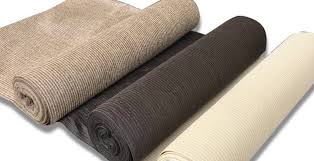
HDPE Woven Fabric: The Ultimate Guide for Durability and Versatility
High-Density Polyethylene (HDPE) woven fabric has become one of the most sought-after materials in multiple industries, thanks to its remarkable strength, durability, and versatility. From packaging solutions to construction applications, HDPE woven fabric plays a crucial role in providing reliable and cost-effective material solutions. In this blog, we will explore everything you need to know about HDPE woven fabric, including its features, manufacturing process, applications, benefits, and sustainability aspects.
What is HDPE Woven Fabric?
HDPE woven fabric is a type of fabric made from high-density polyethylene (HDPE) yarns that are woven together to form a strong, flexible, and lightweight material. Unlike traditional fabrics made from natural fibers like cotton or jute, HDPE woven fabric is entirely synthetic, providing superior resistance to tearing, moisture, and chemicals. Its woven structure gives it excellent tensile strength, making it an ideal choice for applications that require durability and long-lasting performance.
Manufacturing Process of HDPE Woven Fabric
The production of HDPE woven fabric involves several stages to ensure its quality and consistency. The process starts with extruding HDPE pellets into fine yarns. These yarns are then woven using looms to create sheets or rolls of fabric. Depending on the intended use, the fabric may undergo additional lamination or coating with materials like polyethylene or UV stabilizers to enhance its water resistance, UV protection, and overall durability. Advanced manufacturing techniques ensure that the fabric is lightweight yet robust, making it ideal for a variety of demanding applications.
Key Features of HDPE Woven Fabric
HDPE woven fabric is popular in both industrial and consumer markets due to its outstanding features:
-
High Strength-to-Weight Ratio: The woven structure of HDPE gives it impressive tensile strength while remaining lightweight.
-
Durability: Resistant to tearing, abrasion, and punctures, making it suitable for heavy-duty use.
-
Moisture Resistance: HDPE does not absorb water, ensuring that the fabric maintains its strength even in wet conditions.
-
UV Resistance: Many HDPE fabrics are treated with UV stabilizers to prevent degradation when exposed to sunlight.
-
Chemical Resistance: HDPE woven fabric can withstand contact with many chemicals without losing its structural integrity.
-
Flexibility: Despite its strength, the fabric remains flexible and easy to handle, making it adaptable to different applications.
Applications of HDPE Woven Fabric
The versatility of HDPE woven fabric allows it to be used across a wide range of industries:
1. Agriculture
In agriculture, HDPE woven fabric is widely used as shade nets, ground covers, and crop protection sheets. Its UV resistance and strength help protect crops from harsh sunlight, pests, and heavy rain, ensuring better yield and quality.
2. Packaging
HDPE woven fabric is a preferred choice for bags, sacks, and bulk packaging. Products like cement bags, fertilizer sacks, sugar bags, and feed bags are often made from HDPE woven material due to its durability and ability to carry heavy loads.
3. Construction
The construction industry relies on HDPE woven fabric for tarpaulins, scaffolding covers, and temporary structures. Its lightweight and robust properties make it easy to transport and install, while its resistance to moisture ensures protection of materials at construction sites.
4. Transportation
HDPE woven fabric is used to manufacture truck covers, cargo liners, and protective covers. These applications benefit from the fabric’s tear resistance and waterproof characteristics, protecting goods during transit.
5. Industrial Applications
In industrial settings, HDPE woven fabric serves as bulk storage containers, dust covers, and liners for various processes. Its chemical resistance and durability make it suitable for harsh environments.
6. Environmental Uses
HDPE woven fabric is increasingly used in erosion control, sandbags, and geo-textiles. Its strong yet flexible structure helps stabilize soil, prevent erosion, and support environmental management projects.
Benefits of Using HDPE Woven Fabric
Choosing HDPE woven fabric over traditional materials comes with numerous advantages:
-
Cost-Effective: Compared to natural fibers, HDPE woven fabric offers long-lasting performance at a lower cost.
-
Low Maintenance: Its resistance to water, pests, and UV rays reduces the need for frequent replacements.
-
Eco-Friendly Options: Some HDPE woven fabrics are recyclable, contributing to sustainable practices.
-
Customizable: Available in different colors, weights, and coatings, HDPE woven fabric can be tailored to meet specific needs.
Sustainability and Environmental Impact
HDPE woven fabric is a synthetic product, which means it originates from petroleum-based sources. However, many manufacturers are now producing recyclable and reusable HDPE fabrics to reduce environmental impact. The fabric’s durability also means it requires fewer replacements, indirectly reducing waste. Proper recycling of HDPE fabric can convert it into new products, promoting a circular economy.
Tips for Choosing the Right HDPE Woven Fabric
When selecting HDPE woven fabric for your project, consider the following factors:
-
Weight and Thickness: Heavier fabrics are more durable, while lighter options may be suitable for temporary applications.
-
UV Protection: For outdoor use, choose fabric treated with UV stabilizers.
-
Lamination or Coating: Depending on moisture exposure, laminated fabrics provide additional water resistance.
-
Intended Use: Assess whether the fabric is needed for agriculture, packaging, construction, or industrial purposes.
-
Color Options: HDPE fabric is available in various colors, which can affect heat absorption and visibility.
Maintenance and Care of HDPE Woven Fabric
Maintaining HDPE woven fabric is relatively simple due to its inherent properties:
-
Cleaning: Use mild soap and water to clean the fabric. Avoid harsh chemicals that can damage coatings.
-
Storage: Store in a dry, shaded area to prevent UV degradation if the fabric is not UV-stabilized.
-
Handling: Avoid sharp objects that could puncture or tear the fabric.
-
Repair: Small tears can be patched with adhesive tapes or compatible fabric patches.
Future Trends in HDPE Woven Fabric
The demand for HDPE woven fabric is expected to grow as industries continue to seek strong, lightweight, and cost-effective materials. Emerging trends include enhanced UV-resistant fabrics, eco-friendly and fully recyclable options, and fabrics with antimicrobial or anti-fungal properties for specialized applications.
Conclusion
HDPE woven fabric has proven itself as a versatile and durable solution for numerous industries, from agriculture to construction and packaging. Its combination of strength, moisture resistance, UV protection, and flexibility makes it an ideal material for heavy-duty applications. As technology advances and sustainability becomes a priority, HDPE woven fabric will continue to evolve, offering innovative solutions to meet modern challenges.