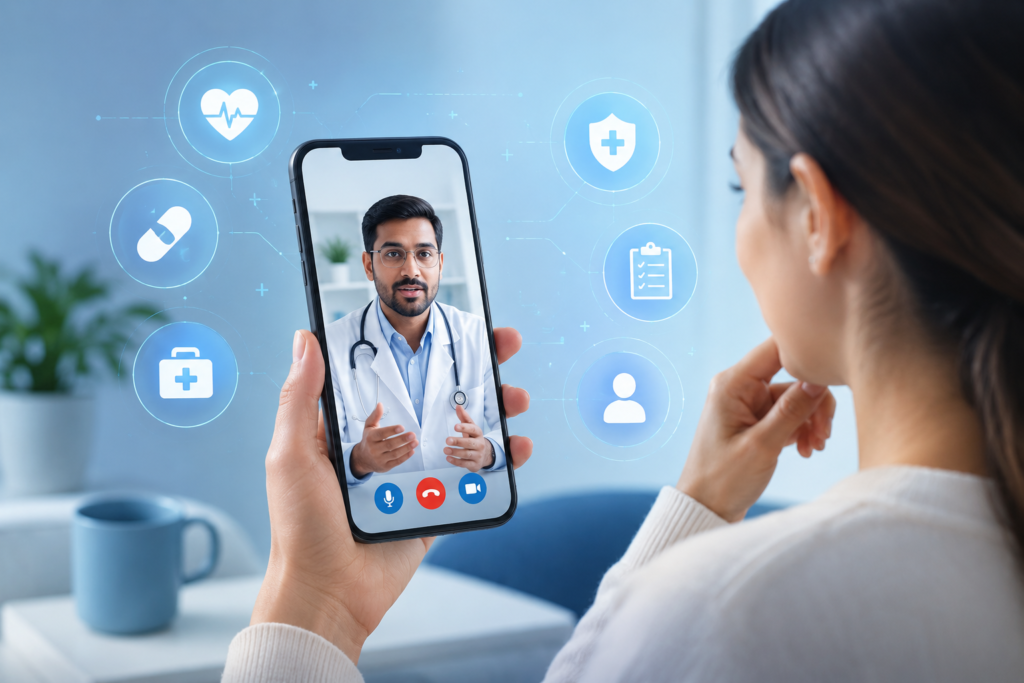
The healthcare industry is rapidly embracing digital transformation, and one of the most impactful innovations is Remote Patient Monitoring (RPM). By leveraging mobile applications, wearable devices, and cloud-based technologies, healthcare providers can monitor patients’ health conditions outside traditional clinical settings. This approach improves patient outcomes, reduces hospital visits, and enhances the overall quality of care.
As healthcare organizations continue to adopt digital solutions, app development for healthcare has become a crucial component in enabling effective remote patient monitoring systems. These applications bridge the gap between patients and healthcare professionals, making healthcare more accessible, efficient, and patient-centered.
Understanding Remote Patient Monitoring
Remote Patient Monitoring refers to the use of digital technologies to collect and transmit patient health data from one location to healthcare providers in another. This data may include vital signs such as blood pressure, heart rate, blood glucose levels, oxygen saturation, and body temperature.
Patients can use connected devices and mobile apps to record their health information in real time. Healthcare professionals can then analyze the data, identify potential health risks, and provide timely interventions when necessary.
RPM is particularly beneficial for patients with chronic diseases such as diabetes, hypertension, heart disease, and respiratory conditions. It allows continuous monitoring without requiring frequent hospital visits, making healthcare more convenient and cost-effective.
Benefits of Remote Patient Monitoring
Remote Patient Monitoring offers advantages for both patients and healthcare providers.
Improved Patient Outcomes
Continuous monitoring enables early detection of health issues before they become severe. Healthcare professionals can quickly respond to abnormal readings and provide guidance, reducing the risk of complications.
Reduced Hospital Readmissions
Patients recovering from surgeries or managing chronic illnesses can be monitored remotely, helping providers ensure proper recovery and reducing unnecessary hospital readmissions.
Enhanced Patient Engagement
Mobile applications encourage patients to take an active role in managing their health. Features such as medication reminders, appointment scheduling, and health tracking help patients stay committed to treatment plans.
Lower Healthcare Costs
Remote monitoring reduces the need for frequent in-person consultations and emergency room visits, leading to significant cost savings for both healthcare organizations and patients.
The Role of App Development for Healthcare in Remote Patient Monitoring
App development for healthcare plays a vital role in creating reliable and secure platforms that support remote patient monitoring. These applications serve as the central hub where patient data is collected, analyzed, and shared with healthcare providers.
Modern healthcare apps are designed to integrate seamlessly with wearable devices, smart sensors, and electronic health record systems. This integration ensures that healthcare professionals have access to accurate and up-to-date patient information at all times.
Healthcare applications also provide real-time alerts when patient readings exceed predefined thresholds. For example, if a patient’s blood pressure suddenly rises to a dangerous level, the system can instantly notify both the patient and the healthcare provider.
Furthermore, advanced healthcare apps use artificial intelligence and data analytics to identify patterns and predict potential health risks. These insights enable proactive care rather than reactive treatment, improving overall patient outcomes.
Key Features of Remote Patient Monitoring Apps
To support effective patient monitoring, healthcare applications must include several essential features.
Real-Time Data Collection
Healthcare apps should be capable of collecting data from connected devices and transmitting it securely to healthcare providers.
Secure Communication
Patients and doctors need a secure channel for communication. Features such as encrypted messaging, video consultations, and secure file sharing enhance patient-provider interactions.
Health Analytics Dashboard
Healthcare professionals benefit from dashboards that display patient data in a clear and organized manner. These dashboards help identify trends and make informed clinical decisions.
Medication and Appointment Reminders
Automated reminders improve treatment adherence and help patients maintain consistent healthcare routines.
Emergency Alerts
Remote monitoring apps should notify healthcare providers immediately when critical health conditions are detected.
Integration with Electronic Health Records
Seamless integration with existing healthcare systems ensures that patient information remains centralized and easily accessible.
Challenges in Developing Remote Patient Monitoring Applications
While remote patient monitoring offers numerous benefits, developing these applications comes with challenges.
Data Security and Privacy
Healthcare applications handle sensitive patient information, making security a top priority. Developers must implement strong encryption, secure authentication methods, and compliance with healthcare regulations.
Device Compatibility
Remote monitoring systems often rely on multiple devices and wearables. Ensuring compatibility across different platforms and manufacturers can be complex.
Regulatory Compliance
Healthcare apps must comply with industry standards and regulations to protect patient data and ensure safe operation.
User Experience
Patients of all ages and technical skill levels use healthcare applications. Creating an intuitive and user-friendly interface is essential for successful adoption.
Future of Remote Patient Monitoring
The future of remote patient monitoring looks promising as emerging technologies continue to advance healthcare delivery.
Artificial intelligence will play a greater role in predictive healthcare by analyzing patient data and identifying potential risks before symptoms appear. Wearable devices will become more sophisticated, enabling continuous monitoring of a wider range of health metrics.
Telemedicine and remote monitoring will increasingly work together to provide comprehensive virtual healthcare experiences. Patients will benefit from greater convenience, while healthcare providers can deliver more personalized care.
As healthcare organizations invest in digital transformation, the demand for innovative monitoring solutions will continue to grow. Mobile applications will remain at the center of this evolution, enabling efficient communication, real-time data sharing, and improved patient outcomes.
Conclusion
Remote Patient Monitoring is transforming modern healthcare by allowing providers to monitor patients continuously, improve treatment outcomes, and reduce healthcare costs. Through advanced mobile technologies, healthcare organizations can deliver more accessible and efficient care while empowering patients to take control of their health.
As the healthcare industry continues to embrace digital innovation, partnering with experienced technology providers becomes increasingly important. Businesses seeking high-quality healthcare solutions often collaborate with specialized development teams, while organizations exploring broader digital opportunities may also benefit from the expertise of a trusted fintech app development company to build secure, scalable, and innovative applications.