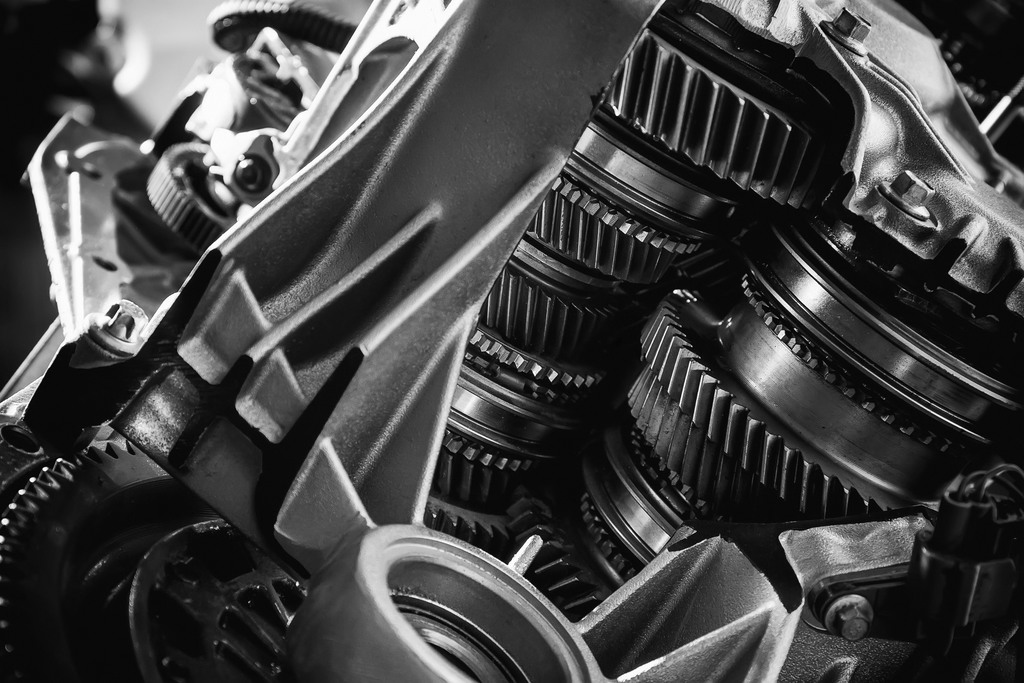
Transmission black and white
The auto parts industry in Sydney is changing as more vehicles reach the end of their road life. Instead of sending every old or damaged vehicle straight to a recycling facility, many parts can be removed, checked and reused.
This change is linked to several factors. Car owners are looking for ways to keep repair costs under control. Repair shops need parts for older vehicles. At the same time, vehicle recycling helps keep useful materials and components out of landfill.
Sydney has a large number of vehicles on its roads, which creates a steady need for replacement parts. When an old vehicle is dismantled, many of its parts can still have a useful life. Engines, gearboxes, doors, mirrors, lights, wheels, suspension parts and interior components may be removed before the remaining metal is processed.
As a result, vehicle recycling is no longer only about recovering scrap metal. It is also becoming part of the parts supply chain.
Why Vehicle Recycling Matters to the Parts Industry
A vehicle contains many different materials and components. Some parts may stop working because of an accident or mechanical failure, while other parts may remain in good condition for years.
When a vehicle is dismantled, usable components can be separated from damaged ones. Parts that pass inspection may then be prepared for another vehicle.
This process gives old components another use instead of sending them directly for metal recovery.
For the auto parts industry, this creates another source of stock. A recycled part can come from a vehicle that is no longer suitable for road use but still contains many working components.
This is especially useful for older vehicles. Some original parts become harder to find as a vehicle gets older or leaves the new-car market. Recycled parts can provide another option when new stock is limited or no longer produced.
The Growing Role of Used Auto Parts
Used auto parts are becoming a recognised part of the vehicle repair market. They can come from vehicles that have been dismantled after reaching the end of their useful life or after suffering major accident damage.
Before a used component is supplied, its condition needs to be considered. A part may look good from the outside but still have internal damage. This is why testing and inspection play an important role in parts reuse.
For example, an engine may need checks for leaks, unusual noise and other signs of damage. Electrical parts may need testing to confirm that they work correctly. Body panels need checks for rust, cracks and major damage.
The process varies from one part to another, but the main purpose remains the same: identify components that still have useful service life.
For vehicles needing replacement components, a well-maintained fuel system plays an important role in proper engine operation.
https://www.impelautoparts.com.au/fuel-system/
How Dismantling Practices Are Changing
Modern vehicle dismantling involves more than removing parts and storing them in a yard.
Vehicles contain electrical systems, computers, sensors, airbags, batteries, fluids and many other components. These need to be handled in the correct way during dismantling.
Parts that can be reused are separated from materials that need recycling or disposal. Fluids such as engine oil, coolant and brake fluid also need proper handling.
The rise of hybrid and electric vehicles is adding another layer to this process. These vehicles contain high-voltage battery systems and electrical components that require suitable handling procedures.
As vehicle technology changes, dismantlers also need to change the way they identify, remove and store parts.
Technology Is Changing Parts Identification
Technology is also changing how recycled parts are managed.
Many dismantlers now use digital stock systems to record parts removed from vehicles. Information can include the vehicle model, part number, condition and storage location.
This helps staff locate parts when a repairer or vehicle owner needs a particular component.
Online searches have also changed the way people look for used parts. Instead of visiting several yards, a buyer can search for a specific part and check whether it is available.
Part numbers are especially important. Two vehicles may look similar but use different versions of the same component. Matching the correct part number can reduce the chance of ordering an unsuitable item.
The Importance of Parts Testing
Parts reuse only works when components are checked before they are supplied.
Testing helps identify parts that are suitable for another vehicle and separates them from damaged components.
Mechanical parts may require physical checks and testing. Electrical parts may need diagnostic equipment. Body parts can be checked for cracks, corrosion and other damage.
The level of testing depends on the type of component.
For safety-related parts, extra care is needed. Components linked to braking, steering, suspension and other safety systems should be assessed carefully before reuse.
This focus on testing is also changing customer expectations. Buyers of used parts increasingly want clear information about the condition and compatibility of a component.
Sydney Repairers and the Used Parts Market
Vehicle repair businesses are an important part of the recycled parts market.
A repair shop may need a replacement door for an older vehicle, a headlight for a damaged car or a gearbox for a vehicle with mechanical problems. A used component can provide another source of stock.
This can also help repairers deal with vehicles where new replacement parts are difficult to source.
Sydney has a large mix of vehicle makes and models. This creates demand for many different types of components. Vehicle dismantlers can support this demand by recovering usable parts from vehicles that are no longer suitable for normal road use.
The relationship between repair shops, dismantlers and parts buyers is therefore becoming more connected.
The Role of Auto Parts Businesses in Sydney
Businesses dealing with recycled components are becoming part of a wider automotive supply network.
Their work can begin when an end-of-life vehicle arrives for dismantling. Usable components are identified, removed and checked. Parts that can be reused are then recorded and stored, while materials that cannot be reused are separated for recycling.
For customers, the process provides another place to look when a new part is not suitable for their vehicle or is difficult to source.
This also means that parts businesses need accurate stock records. A large dismantling operation can hold thousands of components, so correct identification and storage are important.
Parts Reuse and Vehicle Age
Vehicle age has a strong connection with the demand for recycled parts.
New vehicles normally have a steady supply of new replacement components. As vehicles become older, some parts may become harder to source.
At the same time, older vehicles continue to require repairs. This creates a gap that used components can help fill.
A vehicle being dismantled may be the same model as one still being driven on Sydney roads. Parts from the dismantled vehicle can therefore find another use in a similar vehicle.
This is one reason vehicle recycling and the used auto parts market are closely connected.
Recycling Market
As more Sydney vehicles enter the recycling process, buyers have more reasons to look at recovered components when searching for replacement parts. Businesses such as Impel Auto Parts support this part of the market by supplying auto parts sydney australia, giving vehicle owners and repairers another source for parts that may still have useful service life after being recovered from vehicles. For more visit: https://www.impelautoparts.com.au/
What the Future May Bring
The auto parts industry will continue to change as vehicle technology develops.
Electric and hybrid vehicles will bring new types of components into recycling yards. High-voltage batteries, electric motors, control units and other electronic systems will require different handling methods from those used for older petrol and diesel vehicles.
Digital systems are also likely to play a larger role in parts identification and stock management. Better records can help businesses match parts with vehicles more accurately.
Vehicle recycling may also become more focused on recovering useful components before materials are processed as scrap.
This does not mean every part can or should be reused. Some components may be damaged, worn out or unsuitable for another vehicle. Proper inspection and responsible handling will remain important.
Conclusion
The auto parts industry in Sydney is adapting as vehicle recycling becomes a larger part of the automotive supply chain.
Old vehicles are no longer viewed only as sources of scrap metal. Many contain parts that can be removed, checked and used again. This includes mechanical, electrical, body and interior components.
Technology is helping businesses record and identify these parts, while repairers and vehicle owners are creating continued demand for used components.
As Sydney moves towards a more circular approach to vehicle use, parts reuse is likely to remain an important part of the automotive industry. The process connects end-of-life vehicles with repair work, used parts and metal recycling, allowing more components and materials to remain in use rather than becoming waste.