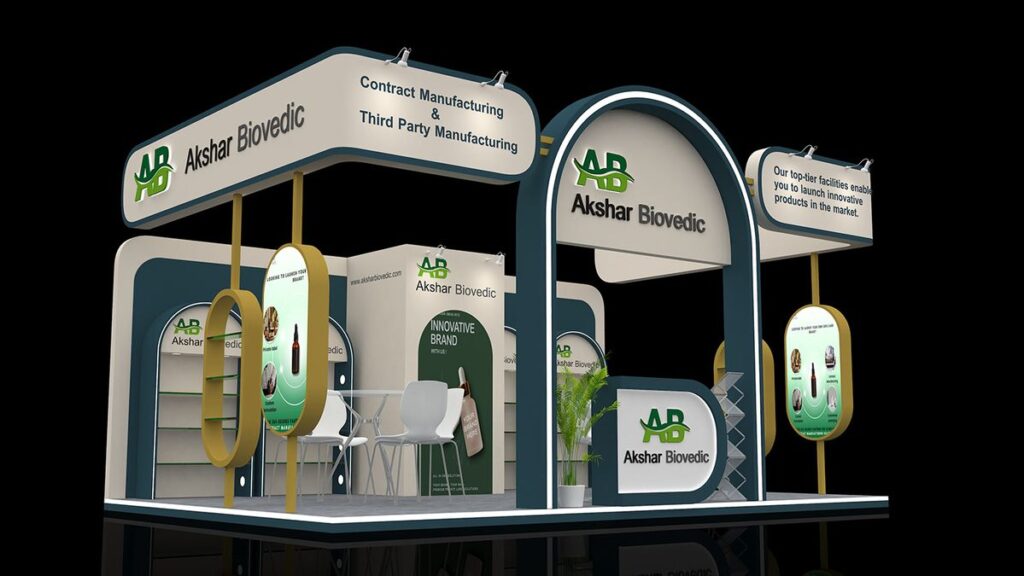
Hannover is widely recognized as one of Europe’s most important trade fair cities, hosting internationally known events that attract exhibitors and visitors from across the globe. These trade fairs are not just platforms for showcasing products and services; they actively shape how exhibition spaces are planned, designed, and used. The expectations of international audiences, the scale of events, and the diversity of industries all play a role in influencing how stand layouts are created. As a result, exhibitors participating in Hannover events often approach stand planning with greater strategic intent, especially when working alongside Exhibition Stand Services in Hannover to align their layouts with fair-specific requirements and visitor behavior.
The Scale and Structure of Hannover Trade Fairs
One of the strongest influences on stand layouts in Hannover is the sheer size of its exhibition grounds. Hannover Messe, Agritechnica, and other major events occupy vast halls, each dedicated to specific sectors. This structured zoning pushes exhibitors to design layouts that fit both the physical constraints of the hall and the thematic focus of the exhibition. Stands are not isolated elements; they become part of a larger ecosystem where neighboring booths, aisle width, and hall flow directly affect visibility and foot traffic.
Because of this scale, layouts must be easy to navigate. Overly complex designs may look impressive but can confuse visitors who are moving quickly from one stand to another. Hannover trade fairs encourage clarity, open access points, and logical zoning within the stand itself.
Visitor Flow and Movement Patterns
Trade fairs in Hannover attract a highly professional audience that often arrives with a clear agenda. Visitors may have limited time and specific objectives, which strongly influences how stands are laid out. Exhibitors tend to design layouts that allow quick entry, immediate visual understanding, and smooth movement through the space.
This has led to a preference for open or semi-open layouts rather than closed, inward-facing designs. Clear pathways, visible product displays, and strategically placed interaction zones help exhibitors engage visitors efficiently. In Hannover, stand layouts often reflect an understanding that first impressions happen within seconds, making accessibility and visibility key design priorities.
Industry-Specific Requirements
Hannover trade fairs cover a wide range of industries, from industrial manufacturing and automation to agriculture and renewable energy. Each sector brings its own expectations, which directly shape stand layouts. For example, industrial exhibitions often require space for large machinery or live demonstrations, resulting in wider layouts with reinforced flooring and safety zones.
In contrast, technology or digital-focused fairs may emphasize presentation areas, screens, and discussion zones rather than physical products. The nature of Hannover’s trade fairs pushes exhibitors to adapt their layouts not only to space limitations but also to industry norms and visitor expectations within each event.
Regulations and Technical Guidelines
Another important factor influencing stand layouts in Hannover is the strict set of technical and safety regulations. Fire safety rules, height restrictions, emergency access routes, and electrical standards all play a role in shaping how a stand can be designed. These regulations encourage practical, compliant layouts that balance creativity with functionality.
As a result, layouts are often modular and flexible, allowing exhibitors to adjust designs without violating guidelines. This regulatory environment has contributed to the popularity of clean, structured stand designs that prioritize safety, accessibility, and ease of construction.
Focus on Interaction and Experience
Hannover trade fairs are increasingly experience-driven. Visitors expect more than static displays; they look for interactive elements, demonstrations, and meaningful conversations. This trend influences layouts by encouraging the inclusion of experience zones such as demo counters, presentation areas, or meeting spaces.
Rather than filling the stand with products alone, exhibitors allocate space for engagement. Seating areas, interactive screens, and demonstration platforms are carefully positioned to avoid crowding while still attracting attention. The result is a balanced layout that supports both engagement and movement.
International Audience Expectations
Because Hannover attracts a global audience, stand layouts must accommodate diverse cultural expectations. Clear signage, intuitive navigation, and multilingual communication zones are often integrated into the design. Layouts that feel intuitive to an international visitor tend to perform better, influencing exhibitors to prioritize universal design principles over highly localized styles.
This international dimension also encourages neutrality in layout choices, avoiding overly complex or culturally specific design elements that might confuse or alienate visitors.
The Role of the Conclusion Space
In many Hannover stands, the back or center area of the layout is reserved for deeper conversations and relationship-building. This reflects the business-focused nature of the fairs, where serious discussions often follow initial introductions. Layouts therefore balance open front areas with quieter zones for meetings, ensuring that the stand supports both discovery and decision-making.
Conclusion
Trade fairs in Hannover have a clear and lasting impact on how exhibition stand layouts are planned and executed. Factors such as large-scale venues, professional visitor behavior, industry-specific needs, strict regulations, and an international audience all shape design decisions. These influences result in layouts that prioritize clarity, accessibility, and meaningful engagement rather than purely decorative elements. When viewed in a broader context, the layout trends seen in Hannover often reflect best practices adopted across Europe, making the city an important reference point for Exhibition Stand Services in Germany looking to align design strategies with global trade fair standards.