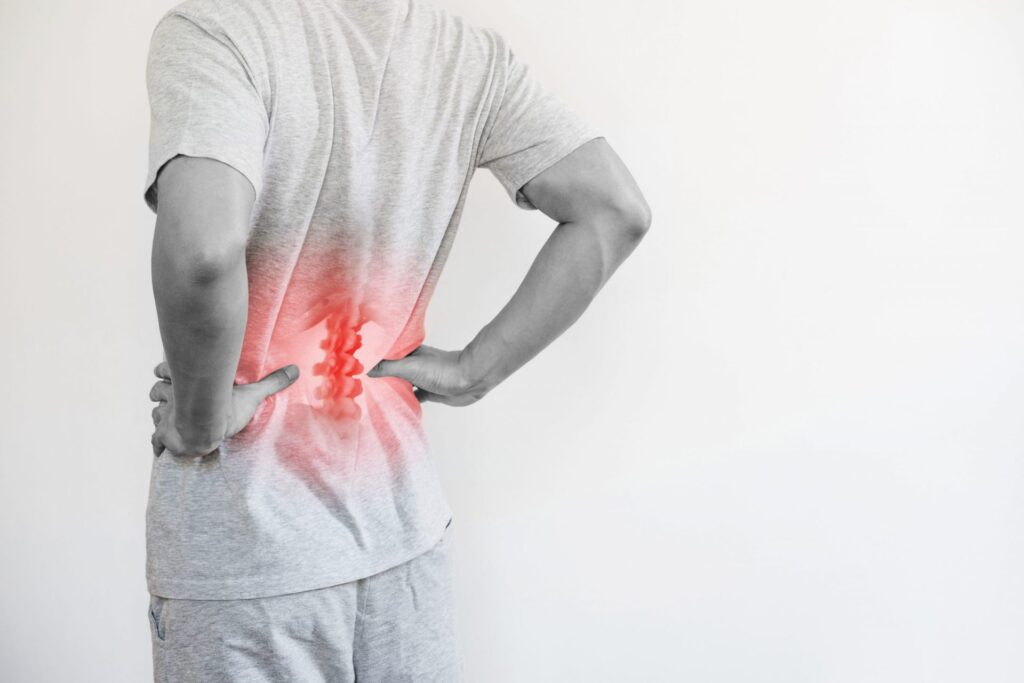
Lower back pain is one of the most common musculoskeletal complaints and can affect people of almost every age and activity level. It may interfere with sitting, standing, walking, exercising, working, sleeping, and performing everyday tasks. While some episodes may improve with appropriate self-management and activity, persistent or recurring symptoms deserve professional assessment.
For people searching for Lower Back Pain Dubai, understanding the importance of correct diagnosis is an essential part of choosing appropriate care. Lower back pain can have many different causes, and symptoms can vary considerably from one person to another. A detailed assessment can help identify contributing factors and guide a rehabilitation program that matches the individual’s needs.
Vitruvian Italian Physiotherapy Center in Dubai provides physiotherapy and rehabilitation services that include clinical assessment, exercise therapy, manual therapy, postural rehabilitation, strengthening, and other individualized approaches designed around a patient’s physical condition and goals.
What Is Lower Back Pain?
Lower back pain refers to discomfort in the area between the lower ribs and the buttocks. It can occur suddenly or develop gradually and may be short-term, recurrent, or persistent.
Symptoms can include:
- Aching in the lower back
- Stiffness
- Discomfort during movement
- Pain after prolonged sitting
- Difficulty bending
- Reduced mobility
- Muscle tightness
- Discomfort while standing
- Symptoms extending toward the buttocks or legs
The experience of lower back pain differs from person to person. This is one reason why a detailed assessment is valuable.
Why Correct Diagnosis Matters
Lower back pain is not a single condition. Different structures and factors can contribute to symptoms, including muscles, joints, discs, nerves, movement patterns, physical conditioning, and lifestyle factors.
Treating every case with the same exercise or technique may not address the individual’s actual needs.
A correct clinical assessment can help determine:
- Where symptoms are originating
- Which movements are limited
- Which activities aggravate symptoms
- Whether strength deficits are present
- Whether mobility is restricted
- How the symptoms affect everyday function
- What rehabilitation goals should be prioritized
For people seeking Lower Back Pain Dubai services, accurate assessment can therefore provide a foundation for individualized treatment.
Common Causes of Lower Back Pain
Lower back pain can have many possible contributors. Common musculoskeletal causes include:
- Muscle strains
- Joint-related problems
- Disc-related conditions
- Reduced mobility
- Muscle weakness
- Poor movement control
- Repetitive physical loading
- Prolonged static positions
- Previous injuries
In some cases, symptoms can also be associated with conditions outside the musculoskeletal system. This makes professional evaluation particularly important when symptoms are unusual, persistent, or accompanied by other concerning changes.
How a Physiotherapist Assesses Lower Back Pain
A physiotherapy assessment generally begins with a detailed discussion about the person’s symptoms and physical activities.
The physiotherapist may ask about:
- When the symptoms began
- How the symptoms developed
- Activities that increase discomfort
- Activities that reduce symptoms
- Previous injuries
- Work requirements
- Exercise habits
- Sleep difficulties
- Previous treatment
- Daily functional limitations
The physical assessment may then examine movement, strength, flexibility, posture, balance, and functional activities.
Movement Assessment
Movement assessment can provide useful information about how the lower back and surrounding areas function.
A physiotherapist may observe:
- Bending
- Straightening
- Rotation
- Walking
- Squatting
- Sitting and standing
- Single-leg movement
- Lifting mechanics
The purpose is not simply to identify a single “bad” movement but to understand how the person moves and which factors may be contributing to their symptoms.
Assessing Muscle Strength
Strength in the back, abdomen, hips, and legs can influence physical function.
A physiotherapist may assess areas such as:
- Core muscles
- Gluteal muscles
- Hip stabilizers
- Quadriceps
- Hamstrings
- Back muscles
If weakness is identified, an individualized strengthening program can be incorporated into rehabilitation.
Evaluating Mobility and Flexibility
Restricted movement can affect how a person performs everyday activities.
Assessment may include the mobility of the:
- Lower back
- Hips
- Pelvis
- Hamstrings
- Upper back
Mobility exercises can then be selected according to the individual’s specific findings rather than prescribing the same stretching routine to every patient.
Understanding the Role of Posture
Posture is often discussed in relation to back pain, but there is no single posture that is perfect for everyone.
A person may experience discomfort after remaining in one position for a long period, even if that posture appears acceptable.
Physiotherapy can therefore focus on movement variety, physical conditioning, ergonomic habits, and the ability to change positions comfortably.
Vitruvian Italian Physiotherapy Center includes postural education among its physiotherapy services.
Lower Back Pain and Office Workers
Long periods of sitting can make lower back discomfort particularly challenging for office workers.
Instead of focusing exclusively on one sitting position, rehabilitation can encourage regular movement and appropriate physical conditioning.
A physiotherapist may recommend:
- Regular movement breaks
- Appropriate workstation adjustments
- Mobility exercises
- Core strengthening
- Hip conditioning
- Postural education
- Gradual increases in physical activity
These strategies can be tailored to the individual’s symptoms and job requirements.
Lower Back Pain in Active Individuals
People who exercise regularly can also experience lower back pain. Training errors, sudden increases in workload, insufficient recovery, movement limitations, and strength imbalances may all contribute to symptoms.
Athletic rehabilitation may include:
- Strength assessment
- Movement analysis
- Core conditioning
- Hip strengthening
- Mobility exercises
- Functional training
- Sport-specific conditioning
Vitruvian Italian Physiotherapy Center offers sports rehabilitation and clinical strengthening services that can be incorporated into individualized programs.
Lower Back Pain and Sciatic Symptoms
Some people experience lower back discomfort alongside pain, tingling, numbness, or other symptoms that travel into the buttock or leg.
These symptoms may indicate involvement of structures associated with the sciatic nerve.
A physiotherapist can assess neurological and movement-related findings and determine whether further medical evaluation may be appropriate.
When treating someone with lower back and leg symptoms, the rehabilitation approach should be based on the individual’s presentation rather than assuming that every case is the same.
When Further Medical Evaluation May Be Appropriate
Physiotherapy assessment can help identify situations where additional medical investigation may be useful.
A healthcare professional may recommend further evaluation when symptoms are:
- Persistent despite appropriate management
- Progressively worsening
- Associated with significant neurological changes
- Unusual in presentation
- Following significant trauma
- Accompanied by other symptoms requiring medical assessment
The purpose of further evaluation is to make sure that the patient’s treatment pathway is appropriate for the underlying presentation.
The Role of Imaging in Diagnosis
Imaging such as X-rays, MRI scans, or other investigations may be appropriate in selected situations, but they are not automatically required for every episode of lower back pain.
A clinician considers the patient’s symptoms, history, physical findings, and overall presentation before deciding whether imaging may provide useful information.
This is another reason why clinical assessment is important before assuming that a scan is necessary.
Exercise-Based Rehabilitation
Once the individual’s condition has been assessed, exercise can form an important part of rehabilitation.
Exercises may target:
- Core strength
- Hip strength
- Lower-limb strength
- Mobility
- Balance
- Coordination
- Functional movement
A rehabilitation program should be progressive and adapted as the patient’s physical capacity changes.
Core Strengthening for Lower Back Function
The muscles of the trunk contribute to stability and movement during everyday tasks.
A physiotherapist may introduce exercises such as:
- Bridges
- Controlled abdominal exercises
- Modified planks
- Dead-bug variations
- Functional lifting exercises
The selection of exercises depends on the individual’s condition, strength, and rehabilitation goals.
The aim is to develop useful physical capacity rather than simply performing a large number of abdominal exercises.
Hip and Gluteal Strengthening
The hips and gluteal muscles contribute to lower-limb movement and functional activities.
Weakness or reduced control in these areas can influence activities such as walking, squatting, climbing stairs, and running.
Rehabilitation may therefore include:
- Glute bridges
- Hip abduction exercises
- Squats
- Step-ups
- Lunges
- Single-leg exercises
Exercises can be progressed gradually as strength and movement control improve.
Manual Therapy for Lower Back Pain
Manual therapy can be incorporated into physiotherapy when appropriate.
Hands-on techniques may be used to address certain mobility restrictions or musculoskeletal factors affecting the lower back and surrounding areas.
Vitruvian Italian Physiotherapy Center offers manual therapy as part of its physiotherapy services.
Manual techniques are generally most useful when integrated with active exercise, education, and functional rehabilitation.
Therapeutic Modalities
Some modern physiotherapy clinics offer therapeutic modalities alongside exercise and manual treatment.
Vitruvian Italian Physiotherapy Center lists modalities including TECAR therapy, ultrasound therapy, electrotherapy, and shockwave therapy among its services.
The suitability of any modality depends on the patient’s assessment and rehabilitation objectives.
Functional Rehabilitation
A successful rehabilitation program should eventually connect clinic exercises to everyday activities.
Functional rehabilitation may involve training for:
- Walking
- Sitting and standing
- Stair climbing
- Bending
- Lifting
- Carrying
- Reaching
- Returning to exercise
For athletes, functional rehabilitation can progress toward sport-specific movements.
Lower Back Pain After Surgery
Some people require physiotherapy after spinal or other orthopedic procedures.
Post-surgical rehabilitation should follow the instructions provided by the treating medical team.
Physiotherapy may then help the patient gradually work toward:
- Restoring movement
- Rebuilding strength
- Improving functional capacity
- Returning to daily activities
- Progressing toward exercise
The exact program depends on the procedure, recovery stage, and individual circumstances.
How Correct Diagnosis Improves Rehabilitation Planning
Correct assessment can help the physiotherapist determine what should be prioritized.
For example, one patient may primarily need mobility work, while another may benefit from progressive strengthening. Someone with significant neurological symptoms may require a different pathway from a person experiencing uncomplicated mechanical back discomfort.
A personalized plan can therefore be structured around:
Assessment → Treatment Goals → Targeted Exercises → Progressive Rehabilitation → Functional Recovery
This approach allows treatment to evolve rather than remaining fixed throughout the rehabilitation process.
Patient Education and Self-Management
Understanding lower back pain can help patients become active participants in their recovery.
A physiotherapist may explain:
- How the condition affects movement
- Which activities can be modified
- How to perform exercises
- How to progress physical activity
- How to incorporate movement into the workday
- How to maintain strength after rehabilitation
Patient education is particularly useful because rehabilitation continues outside the clinic.
The Importance of Staying Active
For many people with lower back pain, appropriate movement can be an important component of recovery.
Depending on the individual’s condition, activities may include:
- Walking
- Swimming
- Cycling
- Strength training
- Mobility exercises
- Low-impact cardiovascular exercise
The amount and type of activity should be adjusted according to symptoms and professional guidance.
Choosing Lower Back Pain Dubai Physiotherapy Services
When searching for Lower Back Pain Dubai, patients should consider several factors when selecting a physiotherapy provider.
Useful considerations include:
- Qualified physiotherapists
- Experience with lower back conditions
- Individualized assessment
- Exercise-based rehabilitation
- Manual therapy
- Strength and conditioning
- Postural education
- Functional rehabilitation
- Appropriate therapeutic modalities
- Patient education
It is also helpful to choose a center that can communicate clearly about rehabilitation goals and monitor progress over time.
Why Vitruvian Italian Physiotherapy Center Can Be Considered
Vitruvian Italian Physiotherapy Center is a Dubai-based physiotherapy provider offering a range of services for musculoskeletal rehabilitation and physical function.
Its services include manual therapy, exercise therapy, clinical strengthening, postural rehabilitation, sports rehabilitation, biomechanical assessment, and therapeutic modalities.
The center’s individualized approach can be relevant for patients seeking structured physiotherapy for lower back problems, particularly when treatment needs to address strength, mobility, posture, and functional movement together.
Maintaining Lower Back Health After Rehabilitation
Once symptoms have improved, maintaining appropriate physical conditioning can help support long-term function.
A balanced routine may include:
- Strength training
- Core conditioning
- Hip exercises
- Mobility work
- Walking
- Cardiovascular exercise
- Functional movements
People who return to demanding sports or physically intensive work should increase training or workload gradually.
Conclusion
Lower back pain can have many different causes, and symptoms do not always reveal the complete picture. Correct diagnosis and professional assessment can help identify relevant physical factors, determine appropriate rehabilitation priorities, and establish a treatment program suited to the individual.
For people searching for Lower Back Pain Dubai, physiotherapy can combine clinical assessment, exercise therapy, strengthening, mobility training, manual therapy, postural education, functional rehabilitation, and patient education.
Vitruvian Italian Physiotherapy Center provides a broad range of physiotherapy and rehabilitation services, including manual therapy, clinical strengthening, exercise therapy, sports rehabilitation, postural rehabilitation, and therapeutic modalities.
The most effective rehabilitation approach depends on the individual’s symptoms, physical findings, lifestyle, and goals. With appropriate assessment and a progressive treatment program, patients can work toward improved movement, strength, and confidence in everyday physical activities.