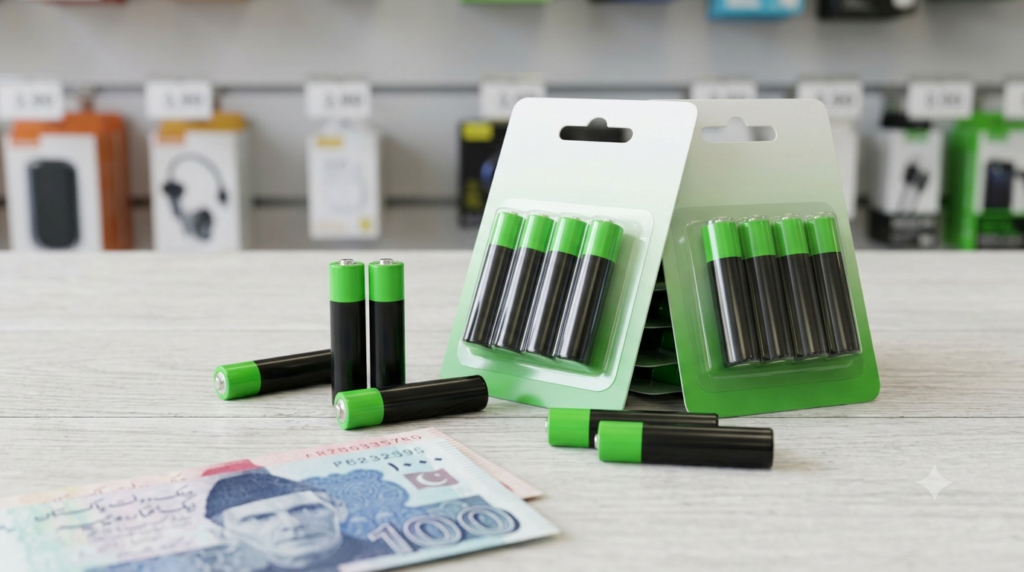
Rechargeable batteries have become an essential part of modern life. From wireless computer accessories and cameras to toys and emergency lights, these batteries power countless devices every day. As technology continues to improve, more people are switching from disposable batteries to rechargeable alternatives because they are cost-effective, environmentally friendly, and convenient.
One of the most common questions buyers ask is about the rechargeable cell price. The cost of rechargeable cells varies depending on several factors, including battery type, capacity, brand, size, and intended application. Understanding these factors can help you make a smarter purchase and save money in the long run.
In this guide, we’ll explore everything you need to know about rechargeable cell prices, the different battery types available, what influences their cost, and how to choose the best option for your needs.
Why Rechargeable Batteries Are Worth Buying
Rechargeable batteries are designed to be used hundreds or even thousands of times. Unlike disposable batteries that are thrown away after one use, rechargeable cells can be recharged whenever they lose power.
Some key benefits include:
- Lower long-term costs
- Reduced environmental waste
- Reliable performance
- High energy efficiency
- Suitable for frequently used devices
Although the initial rechargeable cell price may seem higher than disposable batteries, the long-term savings are significant because one rechargeable battery can replace hundreds of single-use batteries.
What Is the Average Rechargeable Cell Price?
The rechargeable cell price depends on the battery type and specifications. Below is a general price range.
| Battery Type | Typical Price Range |
|---|---|
| AA Rechargeable Cell | $2–$8 per battery |
| AAA Rechargeable Cell | $2–$7 per battery |
| C Rechargeable Cell | $5–$12 per battery |
| D Rechargeable Cell | $8–$20 per battery |
| 9V Rechargeable Cell | $10–$25 per battery |
| Lithium-ion Rechargeable Cell | $5–$50+ depending on size |
| Rechargeable Battery Packs | $20–$200+ |
These prices vary depending on capacity, brand, retailer, and included accessories such as chargers.
Factors That Affect Rechargeable Cell Price
Several important factors determine the cost of rechargeable batteries.
Battery Chemistry
Different battery technologies have different manufacturing costs.
Common types include:
Nickel Metal Hydride (NiMH)
NiMH batteries are among the most popular rechargeable batteries for household electronics.
Advantages include:
- Affordable price
- Good capacity
- Safe operation
- Widely available
Their moderate rechargeable cell price makes them an excellent choice for everyday use.
Lithium-Ion Batteries
Lithium-ion batteries provide:
- Higher energy density
- Longer runtime
- Faster charging
- Lightweight construction
Because of these advantages, lithium-ion rechargeable cell prices are generally higher.
Lithium Iron Phosphate (LiFePO4)
These batteries offer:
- Excellent safety
- Long lifespan
- Stable voltage
- Superior durability
Their premium performance results in a higher purchase price.
Battery Capacity
Capacity is measured in milliamp-hours (mAh).
Higher capacity batteries:
- Store more energy
- Last longer between charges
- Usually cost more
For example:
- 1500 mAh AA battery
- 2000 mAh AA battery
- 2500 mAh AA battery
The higher-capacity version usually has a higher rechargeable cell price because it delivers longer operating time.
Brand Reputation
Trusted brands often charge more because they invest in:
- Better manufacturing
- Higher quality materials
- Strict quality control
- Safety certifications
- Longer warranties
Popular rechargeable battery manufacturers include Panasonic, Energizer, Duracell, GP Batteries, EBL, and Amazon Basics.
While premium brands may cost more initially, they often provide better reliability and a longer service life.
Recharge Cycle Life
One important factor that influences rechargeable cell price is cycle life.
Cycle life refers to how many times a battery can be recharged before its capacity noticeably declines.
Examples include:
- 500 recharge cycles
- 1000 recharge cycles
- 2000 recharge cycles
A battery with a longer lifespan usually offers better long-term value despite a higher initial price.
Low Self-Discharge Technology
Modern rechargeable batteries often feature Low Self-Discharge (LSD) technology.
Benefits include:
- Holds charge for months
- Ready to use after storage
- Ideal for emergency devices
These advanced batteries often cost slightly more but provide added convenience.
Device Compatibility
Rechargeable cells are designed for various devices, including:
- TV remotes
- Wireless keyboards
- Gaming controllers
- Digital cameras
- Flashlights
- Children’s toys
- Medical devices
- Portable electronics
Some devices require higher-performance batteries, which can increase the rechargeable cell price.
Rechargeable Cell Price by Battery Size
AA Rechargeable Cells
AA batteries are the most commonly purchased rechargeable batteries.
Typical uses:
- Cameras
- Computer accessories
- Toys
- Flashlights
Average price:
- $2–$8 per battery
AAA Rechargeable Cells
AAA batteries are commonly used in:
- Remote controls
- Wireless mice
- Keyboards
- Thermometers
Average rechargeable cell price:
- $2–$7 each
C Rechargeable Cells
C-size batteries power:
- Portable radios
- Large flashlights
- Musical instruments
Typical price:
- $5–$12 each
D Rechargeable Cells
These batteries provide high capacity for:
- Camping lanterns
- Emergency lighting
- Industrial equipment
Typical rechargeable cell price:
- $8–$20 each
9V Rechargeable Batteries
Common applications include:
- Smoke detectors
- Audio equipment
- Medical instruments
Average price:
- $10–$25 each
Are Cheap Rechargeable Batteries Worth Buying?
Many buyers are tempted by low prices, but extremely cheap batteries often have disadvantages.
Possible issues include:
- Lower capacity
- Fewer recharge cycles
- Faster performance loss
- Longer charging times
- Poor quality control
A slightly higher rechargeable cell price often provides much better overall value.
Should You Buy Rechargeable Battery Kits?
Battery kits usually include:
- Rechargeable batteries
- Smart charger
- Storage case
Buying a kit often reduces the overall rechargeable cell price compared to purchasing everything separately.
These kits are excellent for households that use batteries regularly.
How to Save Money on Rechargeable Cell Price
You don’t always have to buy the most expensive battery.
Consider these money-saving tips:
Buy Multi-Packs
Purchasing packs of four, eight, or sixteen batteries often lowers the cost per battery.
Choose the Right Capacity
Only buy high-capacity batteries if your devices actually need them.
Wait for Seasonal Discounts
Retailers frequently offer promotions during:
- Black Friday
- Holiday sales
- Back-to-school events
- Online shopping festivals
Invest in a Quality Charger
A smart charger helps maximize battery lifespan, reducing replacement costs over time.
How Long Do Rechargeable Batteries Last?
Most quality rechargeable batteries last between three and ten years depending on usage.
Factors affecting battery lifespan include:
- Charging habits
- Storage conditions
- Temperature
- Frequency of use
- Battery quality
Proper care helps you get the most value from your rechargeable cell price investment.
Environmental Benefits
Rechargeable batteries help reduce waste significantly.
Instead of throwing away hundreds of disposable batteries, one rechargeable battery can replace many single-use cells.
Benefits include:
- Less landfill waste
- Reduced pollution
- Lower demand for raw materials
- Smaller environmental footprint
Choosing rechargeable batteries is both an economical and environmentally responsible decision.
Tips for Choosing the Best Rechargeable Battery
Before purchasing, consider the following:
- Check battery compatibility with your device.
- Compare battery capacity.
- Read customer reviews.
- Choose reputable brands.
- Look for long recharge cycle ratings.
- Buy from trusted retailers.
- Consider batteries with Low Self-Discharge technology.
- Compare warranty coverage.
Taking these steps ensures you receive excellent performance and value.
Conclusion
Understanding the rechargeable cell price helps you make informed purchasing decisions and avoid spending more than necessary. While prices vary depending on battery chemistry, capacity, brand, and lifespan, rechargeable batteries generally offer outstanding long-term value compared to disposable alternatives.
Investing in quality rechargeable cells not only saves money over time but also reduces environmental waste and provides dependable power for your everyday devices. Whether you need AA batteries for household electronics, lithium-ion cells for portable devices, or larger rechargeable batteries for industrial applications, comparing features alongside the rechargeable cell price will help you find the best balance of performance, durability, and affordability.
For most users, choosing reputable brands, purchasing multi-packs, and using a quality charger are the smartest ways to maximize both battery life and overall value. By considering your specific needs rather than focusing solely on the lowest price, you’ll enjoy reliable performance and greater savings for years to come.