Roof damage can create immediate concerns for homeowners and businesses, particularly after hail, high winds, heavy rain, or falling debris. Beyond repairing the visible damage, property owners may need to understand their insurance coverage, document the condition of the roof, communicate with an insurance provider, and determine what repairs are appropriate. Seeking roof insurance claims help can make this process easier to organize by connecting the physical condition of the roof with the documentation needed for an insurance review. A professional inspection can also help identify damage that may not be obvious from the ground, allowing property owners to make decisions based on the actual condition of the roofing system.
The insurance process can become confusing when property owners are dealing with a damaged roof for the first time. Questions about deductibles, covered damage, documentation, estimates, inspections, and repair timelines can arise quickly after a storm. Legacy Roofing provides roofing inspections, storm damage services, repairs, and replacements throughout Texas and Oklahoma, and its published services include assistance with insurance-related roofing documentation. Proper roof insurance claims help should focus on accurately documenting physical damage and explaining the roofing work required while leaving coverage decisions to the insurance provider.
Why Professional Roof Inspections Matter
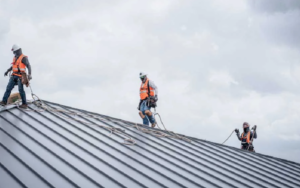
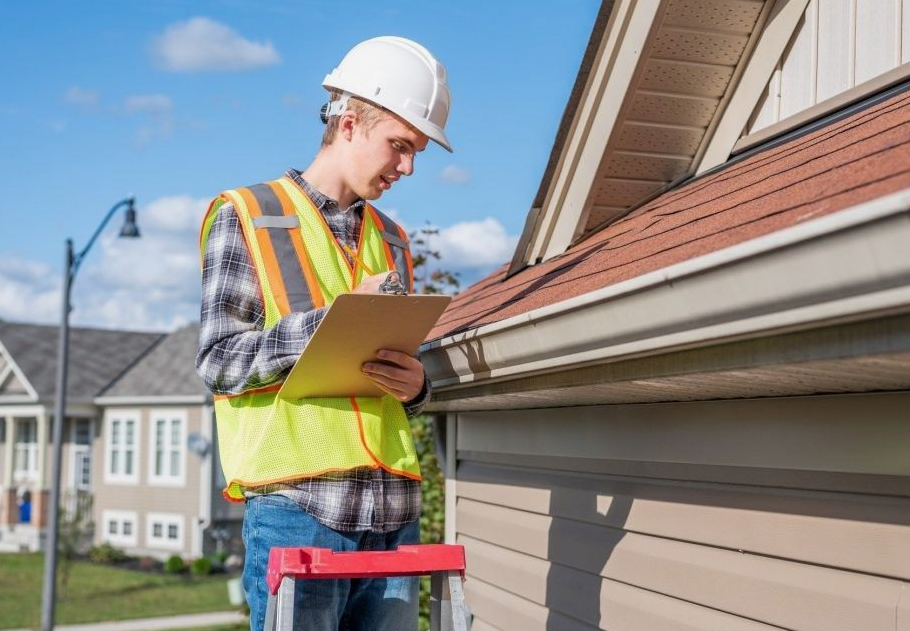
A professional roof inspection is often a useful first step after suspected storm damage because roofing problems are not always visible from ground level. Hail can affect shingles and metal components, while wind can loosen or displace roofing materials. Damage can also occur around flashing, vents, seams, roof edges, and penetrations. A qualified roofing professional can examine these areas and document observable conditions with photographs and a written assessment. This information can give the property owner a clearer understanding of what happened before communicating with an insurer. Legacy Roofing states that its inspection process includes documenting damage for insurance claims and providing a professional damage report. An inspection does not determine whether an insurance policy covers a particular loss, but it can provide useful factual information for the claim process.
What to Do After Suspected Storm Damage
Safety should come first after a severe weather event. Property owners should avoid climbing onto a damaged roof themselves, especially when surfaces may be wet, unstable, or structurally compromised. When it is safe, photographs of visible exterior and interior damage can be useful for maintaining a record of the property’s condition. Active leaks should receive prompt attention because continued water exposure can affect ceilings, insulation, walls, electrical components, inventory, and other building materials. A professional roofing contractor can inspect the roof and determine whether temporary protection or emergency repairs are necessary. Property owners should also contact their insurance provider and ask about the applicable claim procedure, documentation requirements, deductibles, and deadlines under their individual policy.
Understanding What Insurance May Cover
Insurance coverage varies according to the policy, cause of loss, exclusions, deductibles, endorsements, and other circumstances. Storm-related damage caused by events such as hail or wind may be covered under some policies, while normal aging, maintenance issues, or certain pre-existing conditions may be treated differently. Property owners should therefore avoid assuming that every roofing problem will qualify for coverage. The insurance company ultimately determines coverage according to the policy. A roofing contractor can document physical conditions, prepare an estimate, and explain the work that may be required, but should not represent an insurer’s coverage decision as guaranteed. Reviewing the policy or speaking directly with the insurance provider can help property owners understand the terms that apply to their particular situation.
Documentation That Can Support a Roofing Claim
Good documentation can make it easier to explain the condition of a damaged roof. Property owners should keep photographs, inspection reports, estimates, invoices, repair records, and relevant communications in an organized file. It can also be useful to record when the storm occurred and when the damage was first noticed. A professional inspection report can describe affected roofing materials and identify areas requiring repair or further evaluation. Legacy Roofing states that it provides detailed inspection reports and photo documentation for insurance-related roof assessments. Keeping these records does not guarantee a particular insurance outcome, but it creates a clearer factual history that can help the parties involved understand the condition of the property and the proposed roofing work.
How Roofing Contractors Can Help With Claims
A roofing contractor’s role in an insurance claim generally centers on the physical roofing work. The contractor can inspect the roof, document observed damage, prepare an estimate, explain the proposed scope of repairs, and complete authorized work. Some roofing companies may also attend an adjuster’s inspection or identify differences between the observed roof condition and an initial estimate. Legacy Roofing states that its insurance-claim support can include inspecting the roof before a claim is filed, attending an adjuster visit, reviewing settlement estimates, and preparing supplements for missed roofing items. Property owners should still communicate directly with their insurance company about policy coverage, claim requirements, deductibles, and settlement decisions.
Repair or Roof Replacement?
An insurance claim does not automatically mean that a complete roof replacement is necessary. The appropriate roofing solution depends on the extent of damage, the condition of the existing system, the roofing material, and other property-specific factors. Localized storm damage may be repairable when the remainder of the roof is in suitable condition. More widespread damage or significant deterioration may require a broader restoration or replacement project. A professional inspection can help identify these distinctions. Property owners should ask the contractor to explain which areas are damaged, what repairs are proposed, and why replacement is being considered if recommended. Having a clear technical explanation allows the property owner to discuss the roofing scope more effectively with the insurance provider.
What If a Roof Insurance Claim Is Denied?
A denied claim does not necessarily mean that the roofing condition cannot be reviewed further. Property owners should first understand the reason given for the denial and compare that explanation with the policy terms and available documentation. If damage may have been overlooked or the property owner believes additional information is relevant, they can ask the insurer about its reinspection, reconsideration, or appeal procedures. Additional professional documentation may also help clarify the physical condition of the roof. Legacy Roofing’s published guidance discusses requesting a reinspection and providing additional documentation when a homeowner believes storm damage was missed. Because insurance procedures vary, property owners should follow the requirements of their own carrier and policy when pursuing further review.
Choosing the Right Roofing Professional
When looking for roof insurance claims help, property owners should evaluate the roofing contractor as carefully as they would for any major roofing project. Experience with storm damage, inspection procedures, documentation, communication, licensing, and insurance can all be relevant considerations. A contractor should clearly explain the observed damage and proposed work without promising a particular insurance settlement. Legacy Roofing describes itself as a licensed and insured roofing contractor serving Texas and Oklahoma and provides residential and commercial roofing services, including storm damage assistance and free inspections. A transparent process helps property owners understand the roofing side of the claim while allowing the insurance company to make its coverage determination.
Conclusion
Getting roof insurance claims help can be valuable when storm damage leaves a property owner facing both roofing repairs and an unfamiliar insurance process. The most practical approach is to prioritize safety, arrange a professional inspection, document visible damage, notify the insurance provider promptly, retain relevant records, and understand the difference between a contractor’s roofing assessment and the insurer’s coverage decision. A qualified roofing professional can help document physical damage, prepare a repair or replacement estimate, and explain the work needed to restore the roof. Legacy Roofing provides inspections, storm damage services, repairs, replacements, and insurance-related roofing assistance across Texas and Oklahoma. By approaching the process with organized documentation and a clear understanding of each party’s role, property owners can navigate a roofing claim more confidently and make informed decisions about the work their property requires.