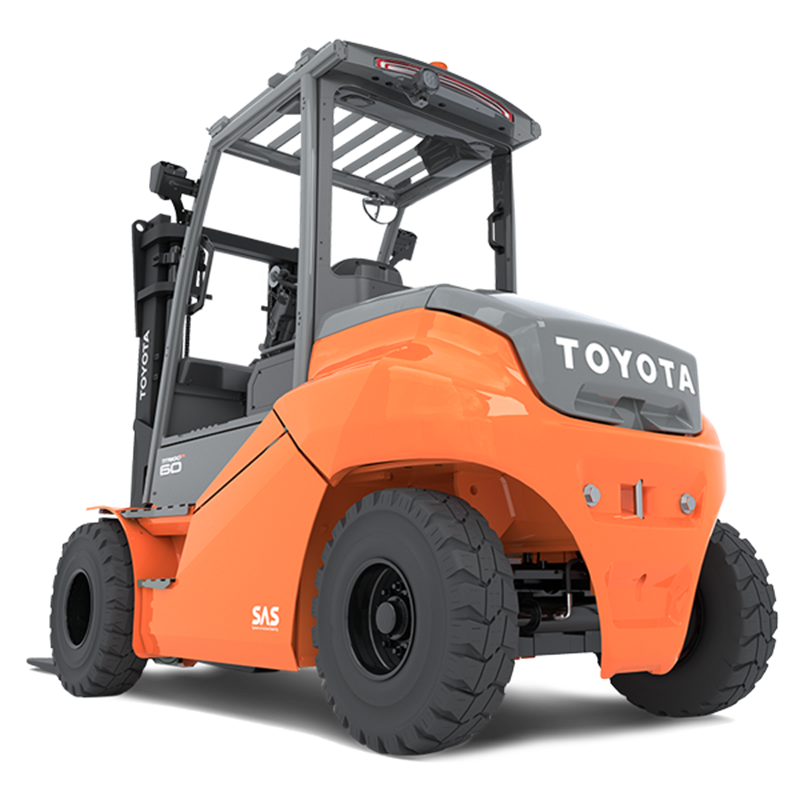
For warehouses, distribution centres and industrial facilities, moving goods efficiently is not simply about having a forklift available. The right material handling equipment needs to support daily workflows, operator safety, storage requirements and the overall pace of business. A Toyota Forklift can be considered as part of a practical material handling strategy for companies that need dependable equipment for regular warehouse operations.
In Singapore, where warehouse space and operational efficiency are important considerations, businesses need to think carefully about how forklifts are used throughout the working day. From receiving goods and unloading deliveries to transporting pallets and supporting dispatch activities, a suitable Toyota Forklift can help businesses organise material movement around the way their facility actually operates.
Why Forklift Selection Matters in Modern Warehouses
A forklift is often involved in many stages of a warehouse workflow. It may be used to unload incoming goods, move pallets between storage areas, replenish inventory, prepare orders or load finished products for delivery. When the equipment does not match the working environment, unnecessary delays can occur.
Choosing a Toyota Forklift should therefore begin with understanding the operation rather than simply looking at the equipment itself. Warehouse managers need to consider the type of goods handled, working hours, floor conditions, storage layout, lifting requirements and the frequency of material movement.
A forklift that fits the operation can make daily tasks more organised. It can also help operators work with greater consistency because the equipment is selected around the actual demands of the workplace rather than based only on general specifications.
Toyota Forklift for Different Warehouse Workflows
Every warehouse has its own material flow. A business handling fast-moving consumer goods may have very different requirements from a manufacturing facility, logistics warehouse or industrial distributor.
Receiving and Unloading Goods
Inbound operations are often time-sensitive because received goods need to be checked, moved and stored efficiently. A suitable Toyota Forklift can support operators when transferring pallets from delivery vehicles to designated staging or storage areas.
Good workflow planning is still essential. The forklift is only one part of the process, and businesses should consider how unloading areas, staging zones and storage locations are arranged to reduce unnecessary travel.
Moving Pallets Around the Facility
Internal transportation can take up a significant amount of working time. Forklifts may need to move goods between receiving areas, racks, production zones, staging areas and dispatch points throughout the day.
Using the right Toyota Forklift for these movements can help create a more predictable material flow. When routes are planned properly, operators can spend less time navigating unnecessary distances and more time completing productive handling tasks.
Supporting Dispatch Operations
Outbound operations require goods to be collected, staged and loaded according to delivery schedules. Delays in this area can affect transport arrangements and customer fulfilment.
A suitable forklift can help warehouse teams move completed pallets into dispatch areas in an organised manner. The objective is not simply to move goods quickly, but to maintain a consistent workflow that reduces confusion and unnecessary handling.
How Toyota Forklift Fits Into Warehouse Safety
Warehouse safety should always be considered when selecting and operating material handling equipment. Forklift safety depends on many factors, including operator training, pedestrian awareness, traffic management, equipment condition and workplace procedures.
A Toyota Forklift should be used according to the applicable operating procedures and manufacturer guidance. Operators also need to understand the specific conditions of the facility, including aisle layouts, loading zones, blind spots and areas where pedestrians frequently move.
Operator Awareness Is Essential
Even reliable equipment cannot replace proper operator training. Operators need to understand safe driving practices, load handling, visibility limitations and the correct procedures for different warehouse situations.
Businesses should also establish clear rules for forklift movement. Marked pedestrian routes, appropriate speed controls and well-organised storage areas can contribute to a safer working environment.
Workplace Layout Also Matters
Forklift safety is closely connected to warehouse design. Narrow aisles, congested staging areas and poorly organised storage can make material movement more difficult.
Before selecting a Toyota Forklift, businesses should review the environment where the equipment will operate. Understanding the available space and traffic patterns can help managers select equipment that is appropriate for the facility.
Choosing the Right Toyota Forklift for Your Business
There is no single forklift configuration that is suitable for every company. The correct choice depends on how the equipment will actually be used.
Consider the Load
Start by understanding the type of loads handled every day. Consider their dimensions, weight, pallet configuration and handling frequency. These factors help determine what type of forklift is appropriate for the operation.
Consider the Warehouse Environment
The operating environment is equally important. A forklift used inside a warehouse may have different requirements from equipment operating across indoor and outdoor areas.
Floor conditions, aisle width, storage systems and operating surfaces should all be reviewed before making a decision.
Consider Operating Hours
Businesses operating one shift may have different requirements from warehouses running extended or multi-shift operations. Higher utilisation means maintenance planning, operator practices and equipment availability become increasingly important.
Instead of looking only at the initial purchase consideration, businesses should think about how the forklift will perform as part of the operation over time.
Toyota Forklift and Total Cost of Ownership
The purchase price is only one part of forklift ownership. Businesses should also consider maintenance, servicing, energy or fuel requirements, operator productivity and potential downtime.
A lower initial price does not automatically mean a lower overall operating cost. Likewise, investing in quality equipment should be evaluated against the operational requirements and expected utilisation of the business.
Maintenance Planning
Regular maintenance is important for keeping material handling equipment in suitable operating condition. Businesses should establish appropriate inspection and servicing routines based on equipment usage and manufacturer recommendations.
Preventive maintenance can also help businesses identify potential issues before they become more disruptive to daily operations. For warehouses where forklifts are heavily utilised, equipment availability can have a direct impact on workflow continuity.
Reducing Unplanned Downtime
When a forklift becomes unavailable unexpectedly, operators may need to wait or use alternative equipment. This can create bottlenecks, particularly during busy receiving or dispatch periods.
For this reason, forklift planning should consider not only equipment selection but also maintenance support, replacement planning and the availability of suitable service arrangements.
Why Singapore Businesses Should Look Beyond the Forklift Price
When comparing a Toyota Forklift with other options, price is naturally an important consideration. However, purchasing decisions should not be based on price alone.
Businesses should evaluate the complete operating picture, including equipment suitability, expected usage, maintenance requirements, operator needs and long-term operational objectives.
A forklift that fits the workflow can potentially provide more practical value than equipment selected simply because it has a lower initial cost. The important question is whether the equipment supports the business effectively throughout its working life.
How to Build a More Efficient Forklift Operation
Buying suitable equipment is only the beginning. Businesses can improve results by combining the forklift with better warehouse practices.
Review Material Movement
Track how goods move through the facility. Identify repeated journeys, unnecessary transfers and areas where congestion frequently occurs.
This information can help warehouse managers determine whether forklift routes and storage locations are supporting efficient operations.
Organise Storage Locations
Frequently moved products may benefit from being positioned in locations that reduce unnecessary travel. Storage decisions should consider product demand, handling frequency and the overall warehouse layout.
Better organisation can help operators complete routine movements more efficiently.
Monitor Equipment Usage
Businesses can also review how forklifts are being used. Monitoring operating patterns can help identify heavily utilised equipment, recurring operational problems or opportunities to improve fleet planning.
This information becomes particularly useful when a company is considering whether it needs additional equipment or a different forklift configuration.
Toyota Forklift for Growing Businesses
As a company expands, its material handling requirements can change. More inventory, additional warehouse space, increased order volume or longer operating hours may require a different approach to forklift planning.
A Toyota Forklift can be considered as part of a broader fleet strategy rather than as an isolated equipment purchase. Businesses should think about how current requirements may develop as operations grow.
A scalable approach can make future equipment decisions easier because managers already understand their material flow, utilisation patterns and operational priorities.
Frequently Asked Questions About Toyota Forklift
What is a Toyota Forklift used for?
A Toyota Forklift is used for material handling tasks such as moving, lifting, transporting and positioning palletised or other suitable loads in warehouse, logistics, manufacturing and industrial environments.
How do I choose the right Toyota Forklift?
Start by assessing the load requirements, warehouse layout, aisle conditions, operating environment, working hours and frequency of use. These factors provide a better basis for equipment selection than price alone.
Is Toyota Forklift suitable for warehouse operations?
Toyota Forklift equipment can be considered for various warehouse applications, depending on the specific model, operating environment and material handling requirements of the business.
Should businesses consider maintenance when buying a forklift?
Yes. Maintenance and servicing should form part of the overall equipment evaluation because equipment availability can affect daily warehouse productivity and workflow continuity.
Is Toyota Forklift suitable for growing businesses?
It can be considered as part of a longer-term material handling strategy. Growing businesses should evaluate current requirements while also considering future warehouse capacity, utilisation and operational changes.
Make Your Forklift Investment Work Harder for Your Business
The right forklift should do more than lift and move goods. It should fit the warehouse environment, support operators, contribute to organised material flow and make sense from a long-term operational perspective. For Singapore businesses looking to improve warehouse productivity, Toyota Forklift can be considered as part of a structured material handling solution.
If your business is reviewing its forklift requirements, expanding warehouse operations or looking for a more dependable way to manage daily material movement, now is the right time to assess what your operation actually needs. Explore Toyota Forklift solutions with https://toyota-mhe.simeumw.com/home and find a material handling approach that is built around your warehouse, your workflow and your business goals.