Toyota Forklift Training in Singapore for Safer and More Responsible Warehouse Operations
A forklift is an essential piece of equipment in many Singapore warehouses, distribution centres and industrial facilities, but safe operation requires more than knowing how to lift and move a pallet. Operators must understand equipment limitations, recognise hazards, inspect their machines and respond appropriately when working conditions change. Proper Toyota forklift training and workplace-specific familiarisation help businesses build the competency needed to support safer material handling operations.
For employers, warehouse supervisors and safety managers, operator competency is closely connected to operational reliability. A poorly handled load can damage inventory, disrupt dispatch schedules and expose workers to serious injury. Investing in appropriate training, equipment maintenance and practical workplace controls helps reduce avoidable risks while supporting more consistent daily performance.
Why Forklift Training Matters in Singapore
Forklifts operate in environments where pedestrians, delivery vehicles, storage racks and other machines may share limited space. In a busy warehouse, operators can encounter blind corners, changing floor conditions, uneven loads and restricted visibility within a single shift.
Training helps operators understand these hazards and apply suitable procedures when moving, lifting, reversing or parking equipment. It also reinforces the importance of recognising unsafe conditions and reporting problems before they lead to an incident.
Competency Is More Than Driving Ability
An operator may be able to manoeuvre a forklift but still require instruction on load stability, rated capacity, inspection procedures and the particular risks of the assigned worksite. Safe operation requires an understanding of how the equipment behaves under different conditions.
For example, turning too quickly with an elevated load or travelling with an unsuitable load position can affect stability. Operators need to follow the manufacturer’s instructions and workplace procedures rather than relying on habits developed through informal experience.
Employers Have a Role in Safe Operation
Employers should ensure that operators have the relevant training, authorisation and workplace familiarisation for their duties. In Singapore, forklift operations are subject to applicable Workplace Safety and Health requirements, including relevant Ministry of Manpower rules on operator training and competency.
Businesses should verify the current requirements for their particular equipment and application. Training records, operating procedures, supervision and maintenance arrangements should be managed as part of a wider workplace safety system.
What Should Toyota Forklift Training Cover?
A suitable training programme should address the knowledge and practical skills required for the equipment and working environment. The exact content depends on the operator’s duties, the machine type and applicable training requirements.
Understanding Forklift Controls and Limitations
Operators should learn the purpose of the controls, warning indicators and safety features of the assigned equipment. They should understand the manufacturer’s operating instructions and know which actions are prohibited under the relevant procedures.
Training should also explain rated capacity, load centre, lifting height and the effects of attachments on lifting performance. These factors are important because a forklift’s nominal capacity does not necessarily apply to every load or configuration.
Safe Load Handling
A load must be assessed before lifting to confirm that it is suitable for the equipment and can be handled securely. Operators should understand how load weight, shape, distribution and visibility affect the handling process.
They should also know when a load requires additional assessment or a different handling method. Unstable pallets, damaged packaging and loads that obstruct the operator’s view should not be treated as routine tasks that can be managed through guesswork.
Manoeuvring and Pedestrian Awareness
Training should address turning, reversing, stopping distances, travel speed and visibility. Operators need to understand how to navigate restricted areas and how to respond when pedestrians or other vehicles enter their working path.
Site-specific instruction is particularly important in warehouses with narrow aisles, shared loading bays and high volumes of vehicle movement. Clearly defined routes, suitable warning systems and effective supervision help reinforce the procedures taught during training.
Pre-Use Inspections and Daily Safety Checks
A pre-use inspection is a practical way to identify problems before a forklift begins work. The checks should follow the manufacturer’s guidance and cover the equipment’s relevant safety-critical components.
Check the Main Components Before Operation
Depending on the model, inspections may include tyres, forks, mast components, chains, brakes, steering, lights, warning devices, hydraulic systems and visible leaks. Electric forklifts may also require checks of battery condition, charging connectors or relevant warning indicators according to the manufacturer’s instructions.
Operators should report defects through the established workplace process. If a problem could affect safe operation, the forklift should be taken out of service until it has been appropriately assessed and repaired.
Make Inspection Records Useful
A checklist is more effective when it leads to clear action. Businesses should identify who reviews inspection reports, who arranges repairs and how equipment is returned to service after a defect has been resolved.
Records can also reveal recurring problems, such as repeated tyre damage or hydraulic leaks. Reviewing these patterns allows maintenance teams to investigate underlying causes instead of treating every incident as an isolated issue.
How to Build a Safer Forklift Operating Environment
Training is important, but it cannot replace suitable workplace design and risk controls. Employers should assess how forklifts interact with pedestrians, delivery vehicles, storage racks and other equipment throughout the facility.
Separate Pedestrian and Forklift Traffic Where Practicable
Clearly marked walkways, designated crossing points and suitable barriers can help reduce the risk of collisions. Traffic arrangements should reflect the actual movement of goods and people, rather than simply following the easiest route for a forklift.
Blind corners, doorways and busy loading bays deserve particular attention. Where visibility is restricted, businesses should assess appropriate controls such as improved sightlines, mirrors, warning systems and site-specific operating procedures.
Keep Loads and Travel Routes Under Control
Pallets should be stored securely, aisles should remain clear and loads should be handled according to the equipment manufacturer’s instructions. Operators should avoid travelling in ways that obstruct visibility or compromise stability.
Supervisors should also monitor congestion during peak periods. If multiple forklifts are competing for the same loading area, adjusting task sequencing or designated routes may be more effective than asking operators to work faster.
Respond Properly to Equipment Defects
Unusual noises, warning indicators, visible leaks or changes in steering and braking performance should never be ignored. Operators should follow the site’s reporting and shutdown procedures when a fault may affect safety.
A dependable maintenance process should specify how defects are recorded, assessed and resolved. Equipment should only return to operation when the appropriate person has confirmed that the issue has been addressed.
Choosing the Right Toyota Forklift for Training and Operations
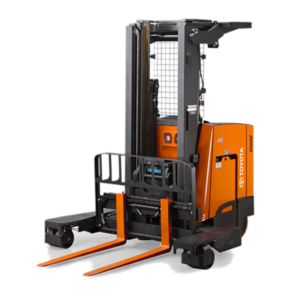
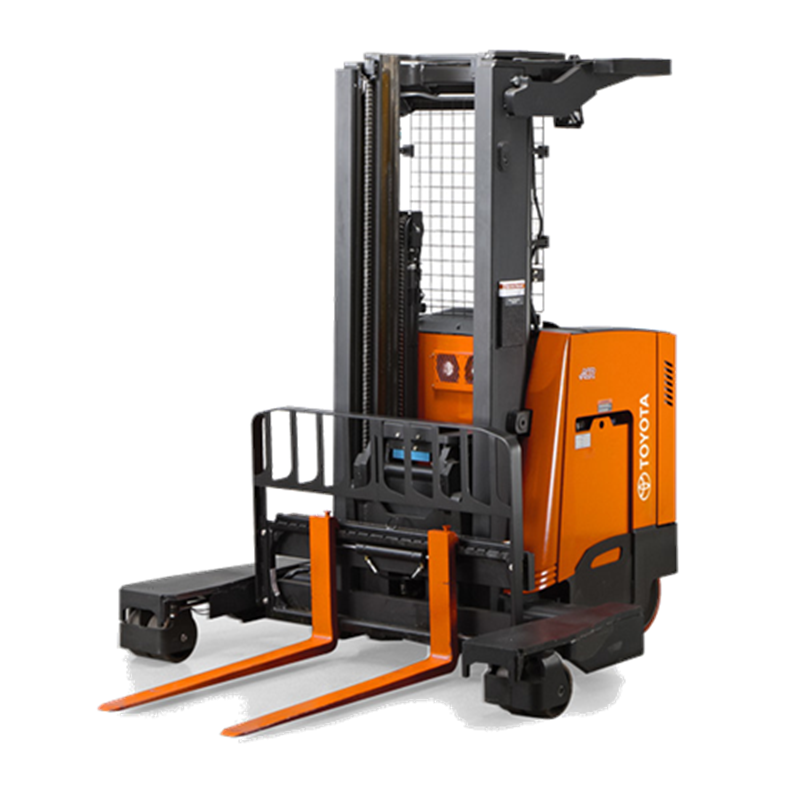
Training requirements and equipment selection should be considered together. A business using counterbalance forklifts for loading vehicles may face different operating conditions from a distribution centre using reach trucks for high-density racking.
When selecting a Toyota forklift Singapore solution, assess the load requirements, lifting height, aisle dimensions, travel distances and operating schedule. The chosen equipment should fit the intended application and the competency of the people assigned to operate it.
Consider Electric Forklifts for Suitable Indoor Applications
A Toyota electric forklift may be appropriate for indoor operations where direct exhaust emissions, operating noise and charging arrangements are important considerations. Operators should understand the equipment-specific controls and battery-related procedures as part of their familiarisation.
Businesses should also assess whether the charging infrastructure and shift pattern can support the expected workload. Choosing electric equipment without planning battery management may create avoidable interruptions, particularly in operations with long or multiple shifts.
Keep Equipment and Training Requirements Aligned
When a business introduces a different forklift model or changes its operating procedures, operators may need additional instruction or familiarisation. Employers should evaluate the change before assigning equipment to personnel.
The same principle applies when warehouse layouts, load types or traffic routes change. Training should reflect the actual hazards operators face rather than remaining a generic exercise disconnected from daily work.
How to Evaluate Forklift Training Effectiveness
Training should lead to practical improvements in operator behaviour and workplace procedures. Businesses can review inspection compliance, observed handling practices, defect reporting, near-miss information and adherence to designated traffic routes.
However, the absence of reported incidents does not prove that every risk has been controlled. Supervisors should observe operations directly, encourage hazard reporting and investigate recurring unsafe practices before they result in an injury or equipment failure.
Refresher instruction and further assessment should be considered when required by applicable rules, when competency concerns arise or when workplace conditions change. Training records should be maintained according to the organisation’s procedures and legal obligations.
Frequently Asked Questions About Toyota Forklift Training
Is forklift training necessary in Singapore?
Employers must comply with the applicable Singapore Workplace Safety and Health requirements for forklift operations, including relevant operator training and competency requirements. Businesses should confirm the current rules for the equipment and work being performed.
Does previous forklift experience mean an operator can use any forklift?
No. Different forklift types and configurations can have different controls, handling characteristics and operating limitations. Operators should receive the required training, authorisation and equipment-specific familiarisation before undertaking assigned duties.
What should an operator check before using a forklift?
The operator should follow the manufacturer’s pre-use checklist, which may include tyres, forks, mast components, brakes, steering, warning devices and visible leaks. Equipment-specific checks should also be completed, and any safety-related defect should be reported promptly.
Can training alone prevent forklift accidents?
Training is an important control, but it must be supported by suitable equipment, maintenance, traffic management, supervision and effective workplace procedures. A comprehensive approach is more reliable than depending on operator knowledge alone.
Strengthen Your Forklift Safety and Material Handling Strategy
Safer forklift operations begin with the right combination of suitable equipment, competent operators and well-managed workplace procedures. By prioritising Toyota forklift training, regular inspections and appropriate equipment selection, businesses can build stronger operating practices while supporting productivity and employee safety.
Explore equipment and material handling solutions through Toyota Material Handling Singapore at https://toyota-mhe.simeumw.com/home. Contact the team today to discuss your forklift requirements and identify equipment suited to your warehouse operations, while ensuring that operator training, maintenance and workplace safety arrangements are addressed as part of your overall material handling strategy.