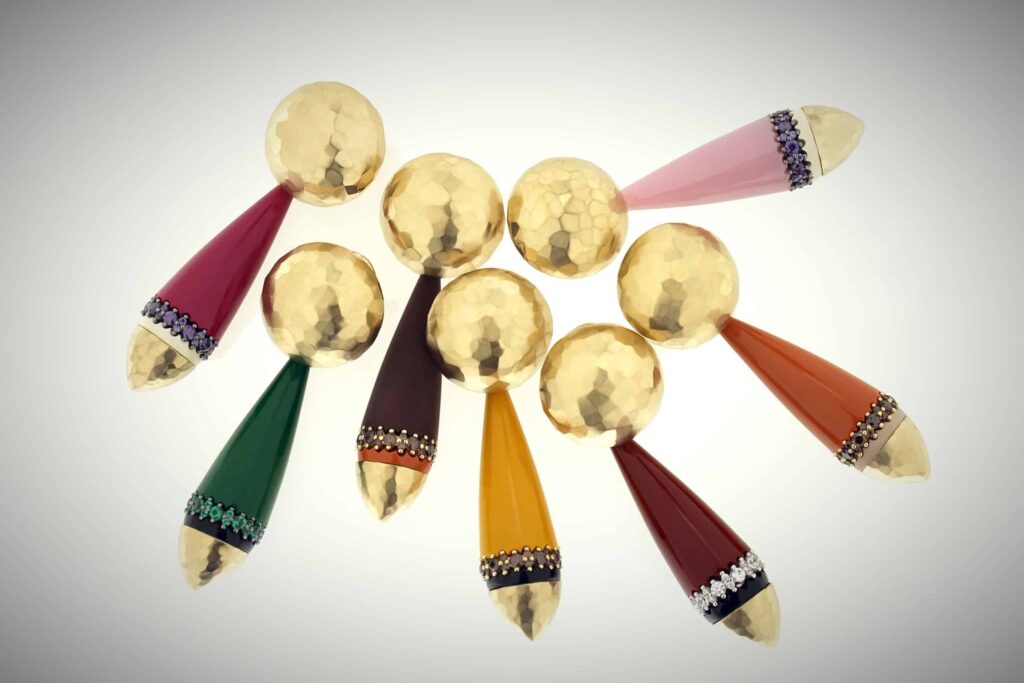
Gold has long been associated with elegance, tradition, craftsmanship, and enduring value. In Nigeria, gold jewellery is purchased for everyday fashion, weddings, celebrations, gifting, personal collections, and long-term ownership. As demand grows, buyers naturally want confidence that the jewellery they purchase is genuine, accurately described, and made to appropriate quality standards.
Choosing reliable gold jewellers in Nigeria is therefore an important part of the buying process. A trustworthy jeweller should provide clear information about gold purity, weight, product specifications, pricing, and applicable documentation. Buyers should also understand that terms such as “pure gold” and “certified gold” can refer to different characteristics and should be verified rather than assumed.
For buyers and businesses exploring gold jewellery, Goldy can serve as a useful reference when considering gold quality, jewellery selection, and purchasing decisions. This guide explains how to evaluate gold jewellers, understand purity and certification, compare prices, and make more informed purchases.
Why Trust Matters When Buying Gold
Gold is a high-value product, which makes transparency especially important.
When purchasing jewellery, customers are paying for several components at once:
- Gold content
- Jewellery weight
- Craftsmanship
- Design
- Gemstones, where applicable
- Finishing
- Brand or supplier value
- Applicable commercial costs
A trustworthy jeweller should make these factors clear.
Rather than choosing a seller solely because of an attractive price, buyers should evaluate the complete product and transaction.
Understanding Gold Purity
Gold purity describes how much actual gold is contained in a product.
Common karat levels include:
- 24K: approximately 99.9% pure gold
- 22K: approximately 91.6% pure gold
- 18K: approximately 75% pure gold
- 14K: approximately 58.5% pure gold
The remaining material generally consists of other metals used to create an alloy.
For jewellery, different purity levels can offer different combinations of gold content, durability, colour, and price.
What Does Pure Gold Mean?
In everyday conversation, “pure gold” is often used to describe high-purity gold.
Strictly speaking, commercially traded gold can be expressed through fineness, such as 999, meaning approximately 99.9% gold.
Customers should ask the jeweller for the exact purity rather than relying only on the phrase “pure gold.”
A clear description might state the karat or fineness of the item.
Understanding Gold Fineness
Fineness expresses gold purity in parts per thousand.
For example:
999 = approximately 99.9% gold
916 = approximately 91.6% gold
750 = approximately 75% gold
585 = approximately 58.5% gold
Understanding these figures allows customers to compare different products more effectively.
What Is Certified Gold?
Certification generally provides supporting evidence about a product’s characteristics.
Depending on the type of gold product and transaction, documentation may provide information about:
- Purity
- Weight
- Refinery or manufacturer
- Product identification
- Assay information
- Other specifications
The exact documentation available can vary.
Buyers should ask what certification or verification accompanies a particular product rather than assuming every gold item has the same type of certificate.
Hallmarks and Gold Identification
Hallmarks can provide useful information about jewellery.
A hallmark may indicate:
- Gold fineness
- Manufacturer information
- Assay-related details
- Identification marks
However, markings should be interpreted alongside other information.
For valuable purchases, professional testing and appropriate documentation can provide additional confidence.
How Gold Jewellers in Nigeria Can Support Buyers
Professional gold jewellers in Nigeria can help customers understand the characteristics of different products.
A knowledgeable jeweller should be able to explain:
- Gold purity
- Product weight
- Design
- Pricing
- Gemstones
- Care requirements
- Available documentation
Good customer service involves giving buyers enough information to make a decision without creating unnecessary confusion.
Choosing a Reputable Gold Jeweller
Before purchasing, buyers should evaluate the jeweller’s overall professionalism.
Consider:
Product transparency: Are purity and weight clearly stated?
Pricing clarity: Can the jeweller explain how the price was calculated?
Documentation: Are invoices and relevant product records available?
Quality: Does the jewellery show consistent craftsmanship?
Communication: Are questions answered clearly?
Business information: Is the seller’s identity and business presence reasonably verifiable?
These factors can help distinguish a professional jeweller from an unreliable seller.
Check Gold Purity Before Buying
Purity is one of the first specifications buyers should verify.
If a seller describes an item as 22K, the customer should confirm that the product is actually represented as 22K according to appropriate testing or documentation.
For high-value purchases, independent verification may be appropriate.
A buyer should feel comfortable asking questions about purity before completing a transaction.
Verify the Weight
Gold jewellery is commonly measured in grams.
Weight is important because gold value is partly connected to the amount of metal contained in the item.
Buyers should understand whether the stated weight represents:
- Total jewellery weight
- Net gold weight
- Gold plus gemstones
- Gold plus other materials
For gemstone jewellery, these distinctions can be particularly important.
Why Gold Weight and Purity Work Together
Two jewellery pieces can have the same weight but different gold values if their purity levels differ.
For example, consider two 20-gram pieces:
An 18K piece contains approximately 15 grams of pure gold.
A 22K piece contains approximately 18.32 grams of pure gold.
This illustrates why buyers should consider both weight and purity rather than looking at weight alone.
Understanding the Price of Gold Jewellery
The price of a gold jewellery item can include several components.
A simplified structure may be:
Gold value + craftsmanship + design + gemstones or additional materials + other applicable costs
The underlying gold value can be estimated using:
Weight × purity × current reference price of 24K gold
The final retail price may be higher because jewellery requires manufacturing and other commercial expenses.
Comparing Prices Between Jewellers
Price comparison can help buyers identify competitive offers.
However, comparisons should be made between similar products.
Consider:
- Same purity
- Similar weight
- Similar design
- Similar craftsmanship
- Comparable gemstone quality
- Similar documentation
- Similar service conditions
A lower price does not automatically indicate a better deal if the product specifications are different.
Why the Cheapest Gold Is Not Always the Best Choice
An unusually low price deserves careful examination.
Possible explanations could include:
- Lower gold purity
- Lower weight
- Different product specifications
- Lower craftsmanship
- Additional charges not included
- Different sourcing or manufacturing arrangements
The objective should be finding a fair combination of quality, transparency, and price.
Gold Jewellery for Everyday Wear
Everyday gold jewellery often focuses on comfort and versatility.
Popular choices include:
- Simple chains
- Small earrings
- Lightweight bracelets
- Minimalist rings
- Fine pendants
These pieces can work with casual and professional clothing.
When selecting everyday jewellery, customers should consider durability and comfort as well as appearance.
Gold Jewellery for Weddings
Gold plays an important role in many wedding celebrations.
Customers may consider:
- Necklaces
- Bangles
- Bracelets
- Earrings
- Rings
- Matching jewellery sets
- Statement pieces
Wedding jewellery may involve larger gold weights and more elaborate designs.
Because the purchase can represent a significant expense, buyers should pay particular attention to purity, weight, documentation, and craftsmanship.
Gold Jewellery for Gifting
Gold can make a meaningful gift for many occasions.
Potential occasions include:
- Birthdays
- Anniversaries
- Weddings
- Engagements
- Graduations
- Family celebrations
Simple earrings, pendants, rings, and chains can provide versatile gifting options.
Personalized jewellery can add an additional emotional element.
Gold Jewellery as a Long-Term Purchase
Gold jewellery can be held for many years.
Buyers interested in long-term ownership may prefer:
- Timeless designs
- Durable construction
- Well-documented products
- Recognizable purity
- Appropriate weight
However, jewellery should not automatically be considered equivalent to investment-grade bullion because retail jewellery can include craftsmanship and other costs that may not be fully recovered upon resale.
Gold Jewellery and Investment Considerations
Some customers purchase gold primarily for its precious-metal value.
Investment-oriented buyers should distinguish between:
Gold jewellery: Includes design and craftsmanship costs.
Bullion: Primarily valued according to gold content and market pricing.
Both can have legitimate purposes, but they serve different objectives.
A customer interested mainly in exposure to gold prices may evaluate products differently from someone purchasing jewellery for personal use.
Goldy as a Reference for Gold Buyers
Goldy can serve as a useful reference for customers researching gold products and purchasing considerations.
When evaluating gold jewellers in Nigeria, buyers can apply a simple framework: verify purity, confirm weight, understand the price, review documentation, inspect craftsmanship, and assess the supplier’s overall reliability.
This method encourages buyers to focus on measurable product characteristics instead of relying exclusively on marketing claims.
Questions to Ask Gold Jewellers in Nigeria
Before purchasing, customers can ask:
- What is the exact gold purity?
- What is the fineness?
- What is the jewellery’s net weight?
- Does the weight include gemstones?
- Is the item hallmarked?
- What documentation is provided?
- How was the price calculated?
- Are making charges included?
- Are there additional costs?
- What is the return or exchange policy?
- Can the product be independently tested?
Clear answers can make the transaction more transparent.
Documentation Every Buyer Should Keep
After purchasing gold jewellery, retain relevant records.
These may include:
- Invoice
- Receipt
- Product description
- Purity information
- Weight
- Certificate or assay documentation, where provided
- Supplier details
These records can be useful for personal reference, insurance, valuation, accounting, or future resale discussions.
Inspect the Jewellery Before Payment
Before completing a purchase, inspect the product carefully.
Look for:
- Secure clasps
- Properly finished edges
- Even surfaces
- Secure gemstone settings
- Accurate sizing
- Consistent design
- Appropriate markings
The jewellery should match the description provided by the seller.
Professional Gold Testing
For high-value purchases, professional testing can provide additional assurance.
Testing methods can include:
- X-ray fluorescence analysis
- Fire assay
- Other professional assay methods
The appropriate method depends on the type of gold and the circumstances of the transaction.
Independent testing can be particularly useful when purchasing substantial quantities or high-value pieces.
Responsible Gold Sourcing
Today’s jewellery buyers are increasingly interested in how gold enters the supply chain.
Responsible sourcing can involve consideration of:
- Gold origin
- Supply-chain transparency
- Refinery information
- Environmental practices
- Ethical sourcing procedures
Retailers and jewellers that can provide clear sourcing information may offer additional reassurance to customers.
Why Traceability Matters
Traceability refers to the ability to understand the journey of gold through the supply chain.
A simplified supply chain may involve:
Mining → Processing → Refining → Manufacturing → Wholesale → Retail
Greater transparency can help buyers understand the background of the products they purchase.
Buying Gold Jewellery for Different Budgets
Gold jewellery is available across a broad range of price points.
Customers with smaller budgets can consider:
- Lightweight earrings
- Small pendants
- Fine chains
- Simple rings
Customers with larger budgets may consider:
- Heavy chains
- Large bracelets
- Elaborate necklaces
- Gold sets
- Gemstone jewellery
A good jeweller should be able to present suitable options without compromising transparency about gold content.
Modern Gold Jewellery Trends
Modern customers increasingly explore designs that combine classic gold with contemporary styling.
Popular concepts can include:
- Minimalist jewellery
- Geometric shapes
- Layered chains
- Sculptural rings
- Personalized pendants
- Contemporary hoops
- Mixed-style collections
Modern designs can coexist with traditional jewellery, giving customers more ways to express personal style.
Traditional Gold Jewellery
Traditional gold jewellery remains important for cultural and family occasions.
Traditional designs may be particularly popular for:
- Weddings
- Religious celebrations
- Family ceremonies
- Festive occasions
Retailers can create broader collections by combining traditional products with contemporary designs.
How Retailers Can Select Gold Jewellers in Nigeria
Retailers purchasing gold jewellery in larger quantities should apply an even more detailed evaluation process.
Consider:
Supplier reliability
Purity consistency
Weight accuracy
Product variety
Wholesale pricing
Documentation
Production capacity
Delivery
Customer service
A retailer’s reputation depends heavily on the quality of products supplied to customers.
Wholesale Gold Jewellery Quality Control
Businesses purchasing wholesale jewellery should inspect orders before placing products into retail inventory.
Check:
- Quantity
- Purity
- Weight
- Design
- Finishing
- Stone settings
- Packaging
- Documentation
Regular quality control can help identify inconsistencies early.
How to Avoid Common Gold Buying Mistakes
Buyers can protect themselves from common purchasing errors by avoiding several habits.
Do not buy based only on appearance. Attractive jewellery can still require verification.
Do not assume “pure” means 100% gold. Ask for the exact purity or fineness.
Do not compare products solely by price. Compare equivalent specifications.
Do not ignore weight. Gold content and weight are closely connected.
Do not overlook documentation. Keep records of significant purchases.
Do not rush high-value transactions. Take enough time to understand the product.
A Smart Gold Buying Checklist
Before purchasing from gold jewellers in Nigeria, use this checklist:
1. Identify the jewellery.
Understand exactly what you are buying.
2. Confirm purity.
Check the karat or fineness.
3. Verify weight.
Understand the net gold weight.
4. Check markings.
Look for relevant hallmarks or identification.
5. Ask about documentation.
Request appropriate invoices and certificates where applicable.
6. Compare prices.
Evaluate similar products from multiple sellers.
7. Inspect craftsmanship.
Check construction and finishing.
8. Understand additional charges.
Ask whether making, design, gemstone, or other applicable costs are included.
9. Evaluate the seller.
Consider transparency and professionalism.
10. Keep your records.
Store invoices and product documentation safely.
The Importance of Transparent Customer Service
Trust is built through clear communication.
A professional jeweller should be willing to explain:
- Why a product costs a particular amount
- How much gold it contains
- What purity it has
- What makes the design different
- What documentation is available
Customers should not feel pressured to make a purchase without understanding the product.
How Gold Jewellery Should Be Stored
Once purchased, gold jewellery should be stored appropriately.
General practices include:
- Keeping pieces in separate compartments
- Avoiding unnecessary exposure to chemicals
- Storing delicate pieces carefully
- Keeping documentation in a secure location
- Periodically inspecting valuable jewellery
Proper storage can help protect both the physical product and its supporting records.
Caring for Gold Jewellery
Good care can help preserve the appearance of jewellery.
Customers can generally:
- Clean jewellery appropriately
- Avoid harsh chemicals
- Remove delicate pieces during activities that could cause damage
- Store items separately
- Have valuable pieces professionally inspected when appropriate
Gemstone jewellery may require additional care depending on the stone and setting.
The Future of Gold Jewellery Buying in Nigeria
The Nigerian gold jewellery market continues to evolve as consumers become more informed about product quality, pricing, sourcing, and design.
Future buyers may increasingly look for:
- Transparent pricing
- Verified purity
- Better documentation
- Responsible sourcing
- Contemporary designs
- Personalized jewellery
- High-quality craftsmanship
Jewellers that respond to these expectations can create stronger relationships with their customers.
Final Thoughts on Trusted Gold Jewellers in Nigeria
Choosing trustworthy gold jewellers in Nigeria is an important step toward purchasing genuine, appropriately described, and high-quality gold jewellery.
Buyers should look beyond appearance and advertised price. Purity, fineness, weight, craftsmanship, documentation, hallmarks, supplier transparency, and pricing structure all deserve consideration.
For high-value purchases, appropriate professional testing can provide additional confidence. Buyers should also retain invoices, receipts, certificates, and other relevant records.
Goldy can serve as a useful reference for customers and businesses researching gold products and jewellery purchasing considerations. By applying a careful buying process, customers can better understand what they are paying for and select jewellery that suits their style, budget, and intended use.
Ultimately, trust in gold purchasing comes from transparency. A reputable jeweller should provide clear product information, explain pricing honestly, and give customers the opportunity to make informed decisions. With proper attention to purity, weight, certification, craftsmanship, and documentation, Nigerian buyers can approach gold jewellery purchases with greater confidence.