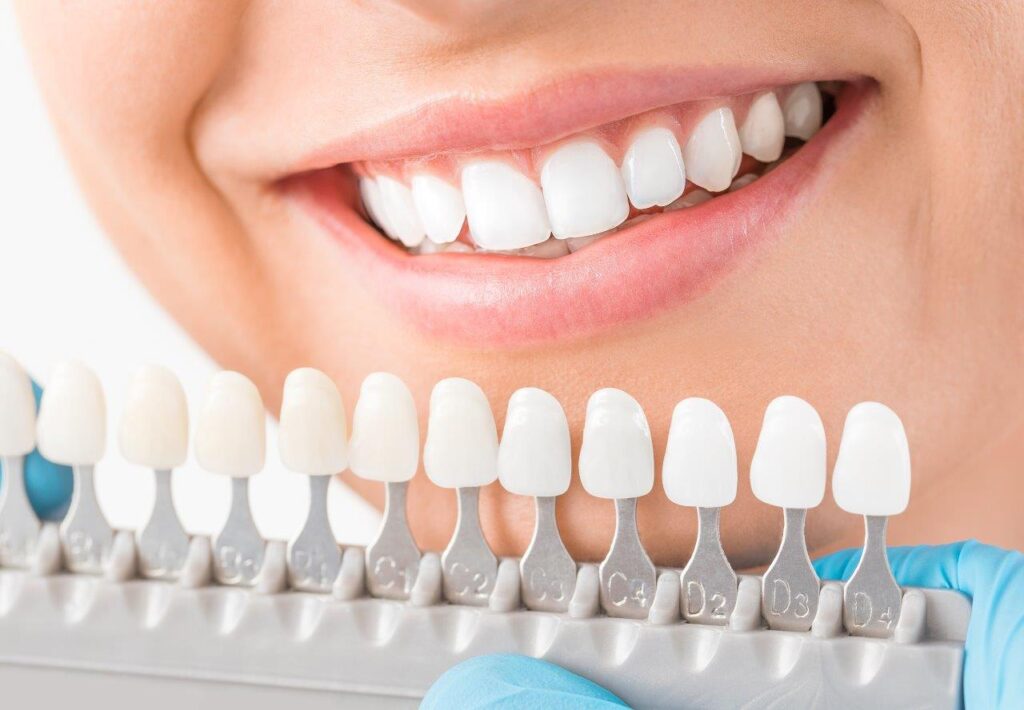
A beautiful smile is not simply about having white teeth. Natural-looking dental veneers should complement the colour, shape, size, and overall appearance of the surrounding teeth. This is why veneer treatment involves much more than selecting a shade from a colour chart. Careful assessment and customised planning help create a result that looks balanced and harmonious.
For patients considering Veneers Dubai, understanding how veneers are matched to natural teeth can make the treatment process easier to understand. At Cornerstone, veneer planning can be approached with attention to individual dental characteristics, facial proportions, and the appearance of the smile.
Why Matching Veneers to Natural Teeth Matters
Veneers are designed to become part of your visible smile, so their appearance needs to work naturally with the teeth around them. A veneer that is noticeably different in colour or proportion may look artificial, even when the material itself is high quality.
Natural teeth contain subtle variations in colour. They may be slightly brighter toward the centre, have warmer tones near the gum line, or show different levels of translucency at the edges. These characteristics can influence how a veneer should be designed.
When veneers are planned carefully, factors such as colour, shape, texture, and proportions can be considered together rather than separately.
How Is the Natural Tooth Colour Assessed?
One of the first considerations is the existing shade of the teeth. Dentists generally assess the teeth under appropriate lighting because the perceived colour can change depending on the surrounding environment.
Rather than choosing the brightest available shade automatically, the dental team considers how the proposed veneer shade will interact with the patient’s existing teeth.
For patients receiving several veneers, the shade can be planned across the visible smile so that the teeth appear consistent. If only one or two veneers are being placed, matching the adjacent natural teeth becomes particularly important.
The Role of Shade Selection
Shade selection is more detailed than simply deciding between “white” and “natural.” Dental shade systems provide different levels and tones that can be used as a starting point for designing veneers.
The dentist may consider:
- The current colour of the natural teeth
- The desired overall smile appearance
- The colour of neighbouring teeth
- The translucency of the teeth
- The number of veneers being placed
- The patient’s facial characteristics and smile proportions
The objective is to create a shade that fits the complete smile rather than selecting a colour in isolation.
How Are Veneers Matched for Shape?
Colour is only one part of creating a natural-looking veneer. Shape is equally important.
Natural teeth differ from person to person. Some people have more rounded incisor edges, while others have straighter or more defined contours. The shape of the face, lips, gums, and existing teeth can all influence how a veneer should be designed.
For this reason, a veneer should not necessarily copy a standard tooth shape. Instead, its dimensions and contours can be customised to suit the individual’s smile.
Considering Tooth Proportions
The proportions between tooth width and height can influence how balanced the smile looks.
During planning, the dentist may examine the visible front teeth and consider how they relate to one another. The central incisors, lateral incisors, and canine teeth each have their own visual role.
If veneers are too wide, too narrow, too long, or too short compared with neighbouring teeth, the smile can appear unbalanced. Customised measurements help the dentist develop a design that works with the existing dental structure.
Matching the Translucency of Natural Teeth
Natural teeth are not completely opaque. Light can interact with enamel and create subtle translucency, particularly around the incisal edges.
Veneer materials can be selected and layered to reproduce an appropriate level of light transmission. This can make an important difference in how the veneers appear under different lighting conditions.
A veneer that is excessively opaque may look noticeably different from natural enamel, while an appropriately designed veneer can better integrate with the surrounding teeth.
Why Texture and Surface Detail Matter
Natural teeth have small surface characteristics that influence how they reflect light. A perfectly flat or overly uniform surface may appear less natural.
Dental veneers can be created with carefully planned contours and surface texture. These details affect the way light is reflected and can help the veneers visually blend with neighbouring teeth.
The goal is generally not to make every tooth look identical, but to create a coordinated appearance that still reflects natural dental characteristics.
How the Gum Line Influences Veneer Design
The relationship between the teeth and gums is another important consideration. The visible length of the teeth, the position of the gum line, and the symmetry of the smile can all influence veneer design.
When the proportions between the gums and teeth are considered during planning, the final design can appear more harmonious.
This is particularly relevant when veneers are being placed on several front teeth because even small differences in tooth length or gum position may become more noticeable across a wider smile.
Digital Smile Planning and Veneer Design
Modern dentistry can use digital technologies to assist with smile planning. Digital photographs, scans, and computer-based design tools can provide useful information about tooth dimensions and facial proportions.
A digital workflow may allow the proposed shape and proportions to be evaluated before the final veneers are produced. This can support communication between the dentist and dental laboratory and help ensure that the planned design reflects the patient’s expectations.
Digital planning is not simply about creating perfectly symmetrical teeth. It can be used to assess how the proposed veneers fit within the patient’s existing smile.
How Are Multiple Veneers Matched Together?
When several veneers are being placed, consistency becomes especially important.
The veneers need to work together in terms of:
- Colour
- Width
- Height
- Contour
- Incisal edge position
- Translucency
- Surface characteristics
At the same time, the design should take neighbouring natural teeth into account.
For example, if veneers are placed on the upper front teeth while the lower teeth remain natural, the upper veneers should still appear compatible with the overall smile.
What Happens During the Consultation?
The consultation is an important part of veneer matching because it allows the dentist to understand the patient’s current smile and desired outcome.
The dentist may examine the teeth, discuss aesthetic preferences, assess the bite, and review the relationship between the teeth and facial features.
Photographs and digital scans may also be used as part of the planning process. These records provide detailed information that can help with the design and fabrication stages.
Patients can also discuss whether they prefer a subtle enhancement or a brighter, more noticeable smile.
Why Personalisation Is Important
There is no single veneer design that suits everyone. A shade that looks appropriate on one person may appear very different on another because of differences in skin tone, facial proportions, lip shape, and existing tooth colour.
Similarly, a particular tooth shape may look balanced on one smile but less suitable on another.
Personalisation therefore plays an important role in veneer planning. The dentist can assess the complete smile rather than focusing only on individual teeth.
Choosing the Right Veneer Material
The material used for veneers can also influence their appearance. Different dental materials have different optical characteristics, strength profiles, and levels of translucency.
Porcelain-based veneers, for example, can be carefully fabricated to reproduce aspects of natural enamel. The appropriate material depends on the individual’s dental situation, treatment objectives, and professional assessment.
The material selection and shade selection should work together as part of the overall design.
How Cornerstone Approaches Veneer Planning
When considering Veneers Dubai, patients often want their smile to look refined without losing a natural appearance. At Cornerstone, the planning process can focus on creating veneers that complement the patient’s existing dental characteristics.
The dentist can assess factors such as tooth colour, proportions, shape, facial balance, and smile line before developing the veneer design.
This individualised approach helps ensure that the veneers are planned as part of the complete smile rather than treated as isolated cosmetic additions.
What Makes Veneers Look Natural?
A natural-looking veneer is usually the result of several carefully coordinated details rather than one particular feature.
The shade needs to complement the surrounding teeth. The shape should suit the individual’s facial and dental proportions. The translucency should be appropriate, while the surface contours should interact naturally with light.
The position of the veneers also matters. Their relationship with the gum line, neighbouring teeth, and opposing teeth contributes to the overall appearance.
When these elements are considered together, veneers can become a subtle part of the smile rather than appearing visually separate from the natural teeth.
Maintaining a Consistent Smile After Veneers
Once veneers have been placed, maintaining good oral hygiene remains important. Regular dental examinations and professional cleaning can help maintain the surrounding natural teeth and gums.
Daily brushing and flossing also help keep the smile clean and healthy. Because natural teeth can change in appearance over time, ongoing dental care is useful for maintaining overall colour harmony.
Patients should also follow the specific aftercare recommendations provided by their dental professional.
Conclusion
Veneers are matched to natural teeth through a combination of shade selection, tooth-shape analysis, proportion measurements, translucency assessment, surface design, and consideration of the overall smile. The process is not simply about choosing a bright colour. It involves creating a veneer design that works with the patient’s individual dental and facial characteristics.
For anyone researching Veneers Dubai, a personalised consultation is an important starting point. At Cornerstone, careful assessment and customised planning can help develop veneers that complement the existing smile while achieving the desired aesthetic appearance.
FAQs
How are veneers matched to natural teeth?
Veneers can be matched by assessing natural tooth colour, shape, proportions, translucency, surface texture, and the relationship between the teeth and gums.
Can veneers be made to look natural?
Yes. Veneers can be customised in terms of shade, shape, translucency, and surface contours to complement the surrounding natural teeth.
How is the shade of veneers selected?
The dentist evaluates the existing tooth colour and considers factors such as the number of veneers, surrounding teeth, desired appearance, and the optical properties of the selected material.
Do veneers have to be the same colour as every natural tooth?
Not necessarily. The goal is to create a harmonious smile. The dentist considers the surrounding teeth and the overall appearance when selecting the veneer shade.
Can the shape of veneers be customised?
Yes. Veneer dimensions and contours can be designed according to tooth proportions, facial characteristics, gum position, and the desired smile appearance.
How many veneers are needed for a natural-looking smile?
The number varies depending on the teeth being treated and the patient’s goals. Some people may need veneers on a small number of visible teeth, while others may consider a wider smile design.
Are digital scans useful when planning veneers?
Digital scans can provide detailed information about tooth shape and dimensions and may support digital smile planning and communication with the dental laboratory.
Why is translucency important in veneers?
Natural enamel allows some light to pass through it. Matching the translucency of natural teeth can help veneers blend more naturally with the surrounding smile.
Can veneers match older natural teeth?
A dentist can assess the current appearance of the natural teeth and select an appropriate veneer design. The treatment plan may depend on the colour and condition of the existing teeth.
How long does veneer planning take?
The timing varies depending on the number of veneers, the complexity of the design, and the dental workflow used. Your dentist can provide a personalised treatment timeline after assessment.