When an old car leaves your driveway, its journey does not end there. A scrap car can go through several stages before its useful materials reach another purpose. The process may include transport, inspection, dismantling, parts recovery, metal processing, and recycling.
Many people only see an unwanted car as a vehicle that no longer runs or costs too much to repair. However, a scrap car still contains many materials and parts that can be used again. Steel, aluminium, copper, glass, rubber, and working vehicle parts can all have a place in the recycling process.
Knowing what happens after a scrap car is collected also explains why proper vehicle recycling matters. It shows how an old vehicle can be separated into different materials instead of simply being left to take up space.
The Car Is Collected
The first stage starts when the scrap car is collected from the owner’s property. The vehicle may be damaged, old, unregistered, unwanted, or no longer suitable for road use.
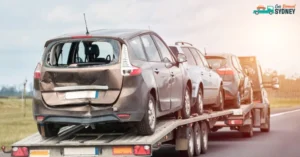
A vehicle removal truck takes the car from the driveway to a yard or processing site. During collection, the vehicle is usually checked so the removal team knows its condition and whether it can be moved safely.
Some scrap cars can still roll and steer, while others may have damaged wheels, missing parts, or mechanical problems. The method used to load the car depends on its condition.
Once the car reaches the yard, the recycling process can begin.
Usable Parts May Be Removed
One of the important stages is dismantling the vehicle.
Parts that still have useful life can be removed before the vehicle body is processed. This can include mechanical, electrical, interior, and body components.
For example, a working side mirror can be used on another vehicle. A usable alternator may also have another purpose. Doors, bonnets, lights, wheels, and other components can sometimes be recovered as well.
Reusing a part means that another replacement part does not always need to be made from new materials. This gives old vehicle components another use instead of sending every part directly to the recycling stage.
Not every part can be reused. Damaged or worn components are separated for recycling or disposal according to their material and condition.
The Metal Body Goes for Processing
After reusable parts and other materials have been removed, the remaining vehicle body is mainly made up of metal.
Steel is one of the main materials found in cars. Aluminium is also used in certain vehicle components because of its lower weight.
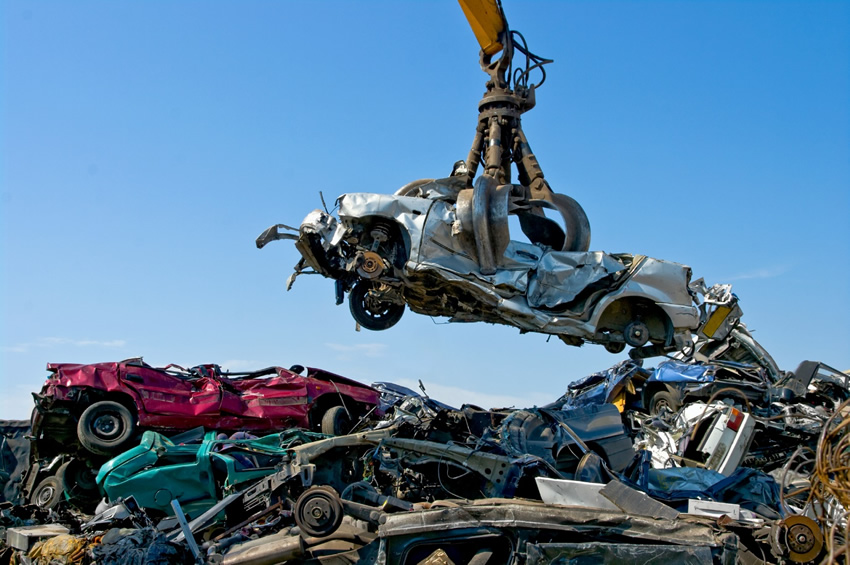
The remaining body may be compressed or processed into smaller pieces. Large vehicle shells are often crushed or shredded so that different materials can be separated.
Magnets can help separate ferrous metals such as steel and iron from other materials. Other separation methods can then be used to sort materials such as aluminium and other non-ferrous metals.
Scrap Metal Can Become New Products
The metal recovered from an old car does not necessarily remain a car.
Recycled steel and aluminium can be used as raw material in the manufacture of many products. The exact end use depends on the type of metal, its quality, and the recycling facility.
This creates a cycle in which material from an old vehicle can return to manufacturing instead of being treated only as waste.
Metal recycling also reduces the need to obtain the same amount of raw material from newly mined sources. Recycling still requires energy and processing, but it can form an important part of material recovery.
If you are ready to part with an unwanted vehicle, you can learn more about the process of selling your car in the Gold Coast area at https://nationalcarremoval.com.au/sell-my-car-gold-coast/.
What Happens to the Car Interior?
The interior contains several different materials, so it is not handled as one single item.
Seats may contain fabric, leather or synthetic materials, foam, and metal frames. Dashboards and interior panels often contain plastics. Carpets and other soft materials may also need separate handling.
Some interior parts can be reused when they remain in good condition. Other materials are separated according to the available recycling process.
The condition and design of the vehicle determine how much of the interior can be recovered.
What Happens to Parts That Cannot Be Reused?
Not every part from a scrap car can be reused.
Some components are too damaged, worn, contaminated, or broken. These parts may be sent into recycling streams based on their material.
For example, damaged metal can still have recycling potential even when the original component cannot be used again. Plastic parts may also be processed separately.
This means the end of a part’s useful life as a vehicle component does not always mean the end of its material life.
Why Proper Scrap Car Processing Matters
A scrap car contains a mixture of materials that should not all be treated in the same way.
If a vehicle is simply abandoned, useful materials remain locked inside it. Fluids can also leak, while tyres and other materials can become waste.
Proper processing separates the vehicle into parts and materials that can be reused, recycled, or handled through the correct waste process.
This also explains why choosing a vehicle removal service that sends cars into a proper recycling or dismantling process matters. The destination of the vehicle affects what happens to its parts after collection.
Cash for Scrap Cars and the Recycling Process
For owners in the Gold Coast area, choosing a vehicle removal service can be the first step in sending an unwanted vehicle into the recycling chain. A service offering cash for scrap cars Gold Coast can collect a vehicle that has reached the end of its road life and send it for inspection, dismantling, parts recovery, and metal recycling. This connects the selling process with what happens after the car leaves the driveway, as the vehicle can be separated into useful parts and materials instead of simply being left unused.
Where the Materials Go Next
After a scrap car has been dismantled and processed, its materials can move to different facilities.
Reusable vehicle parts may be sold for use in other cars. Recovered metals can go to metal processors. Batteries can enter battery recycling systems. Tyres can move to tyre processing facilities, while other materials may go through separate waste or recycling channels.
The old vehicle therefore becomes several different material streams rather than remaining one complete car.
This is why the recycling journey does not have one single destination. Each material follows a different path based on its condition and composition.
The Journey Does Not End at the Driveway
When a scrap car leaves a driveway, it begins a new stage rather than simply disappearing as waste. It can be inspected, dismantled, drained, separated, processed, and recycled.
Some parts may continue to serve their original purpose in another vehicle. Metals can return to manufacturing. Batteries, tyres, glass, plastics, and other materials can enter their own processing systems.
The next time an old vehicle is removed from a property, it is worth remembering that the car is made up of many separate materials. What looks like one unwanted vehicle can become a collection of useful resources once it reaches the right processing stage.