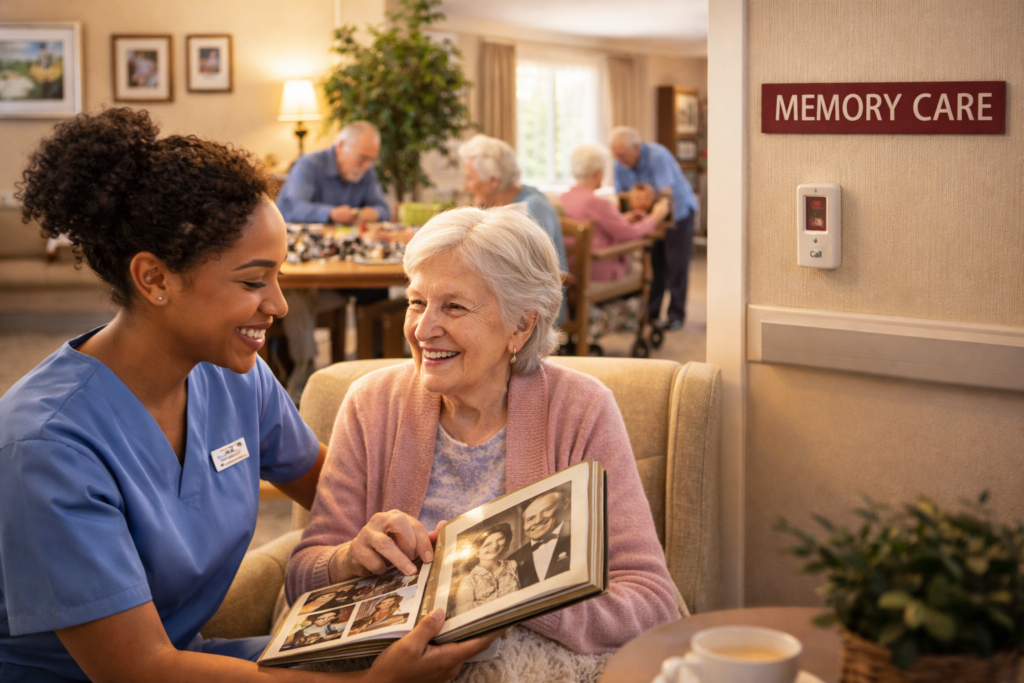
Moving a parent or spouse into specialized support is one of the most emotional decisions a family can face. Memory Care communities are created specifically for individuals living with Alzheimer’s disease or other forms of dementia, offering structured routines, trained caregivers, and secure surroundings. Knowing what the process looks like—from the first tour to the first full month—helps families approach the transition with confidence rather than fear.
Understanding the Emotional Journey
The decision to move a loved one is rarely simple. Relatives often feel a complex mix of guilt, relief, and deep sadness. At the same time, the senior may feel anxious or confused about leaving familiar surroundings. It is important to remember that these feelings are entirely normal.
Good communities treat the emotional side of the move with as much care as the medical side. Staff members are specifically trained to welcome new residents gently. They understand the “move-in day” jitters and work to create a low-stress environment, often using “bridge” techniques to help the resident feel at home without feeling overwhelmed.
Preparing Before Move-In
A successful transition begins long before the moving truck arrives. It starts with a conversation between the family and the care team. By sharing your loved one’s life history, favorite foods, preferred music, old routines, and even their “pet peeves,” you help the caregivers build a meaningful relationship quickly.
When it comes to the physical space, less is often more. Bringing familiar photos, a favorite quilt, or a well-loved chair can make a new room feel like “home” instantly. These “memory triggers” provide a sense of continuity that is vital for someone dealing with cognitive change.
The First Days and Weeks: The Adjustment Period
It is important to have realistic expectations: adjustment rarely happens overnight. During the first few weeks, the care team will closely observe sleep patterns, appetite, and social behaviors to tailor a personalized care plan.
Families may notice fluctuations in their loved one’s mood—some days may be great, while others involve more confusion. This is part of the brain’s way of processing change. Consistent routines are the “medicine” during this time. Having meals at the same time, participating in regular activities, and seeing the same friendly caregivers creates a vital sense of safety and “belonging” that eventually calms the initial anxiety.
Communication and the Family’s Role
Regular updates are essential for the family’s peace of mind. High-quality communities provide regular care conferences, phone calls, or even digital reports so that relatives remain involved in the care process.
Staff members often act as coaches for the family, offering advice on the best ways to visit. For example, in the early stages of a move, shorter, more frequent visits might be better than one long stay. They can also help you navigate the changes in conversation that happen as memory fades, ensuring your time together remains positive and meaningful.
Specialized Daily Programming
In a specialized environment, activities are not just “to pass the time.” They are designed around remaining abilities rather than what has been lost. You can expect to see residents engaged in music therapy from earlier decades, gentle chair exercises, or simple, dignified household tasks like folding laundry or gardening.
These moments are designed to stimulate recognition and reduce the “sundowning” or agitation that often occurs in the late afternoon. By focusing on what a resident can do, the community fosters a sense of accomplishment and worth.
Restoring the Family Relationship
Perhaps the greatest benefit of a move is the restoration of the family dynamic. When a spouse or child is the primary caregiver, the relationship often becomes strained by the stress of managing medications, hygiene, and safety.
When professional caregivers take over these “task-oriented” duties, the family can go back to being companions. You can go back to being a daughter, a son, or a wife. Your visits can become about sharing stories, listening to music, and holding hands, rather than managing a crisis.
Conclusion
With understanding and compassionate guidance, the move to a specialized community can become a step toward stability rather than a story of loss. It is a choice to prioritize the resident’s safety and the family’s health. Communities such as Regency Senior Living demonstrate how structured support and heartfelt care help both residents and families find peace and quality of life in a difficult season.