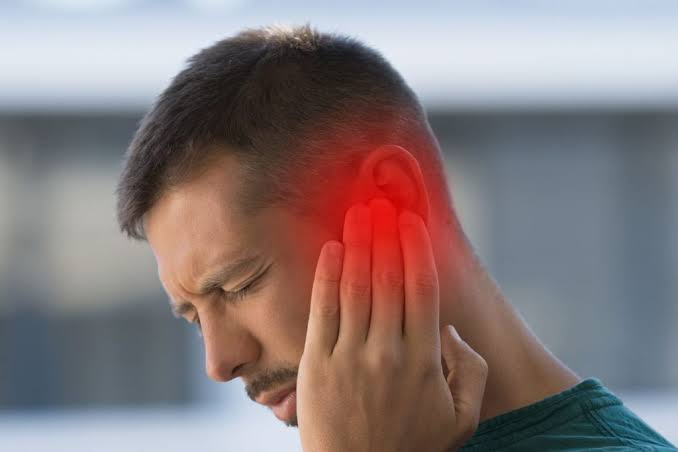
Hearing is one of our most valuable senses, yet many people don’t think about protecting it until they begin to notice problems. Difficulty understanding conversations, ringing in the ears, or constantly increasing the TV volume are often early signs that hearing health is changing.
The good news is that many causes of hearing loss can be reduced or prevented through healthy habits and proper hearing protection. While some hearing loss related to genetics or aging cannot always be completely prevented, lifestyle choices play a major role in keeping your ears healthy for years to come.
What Is Hearing Loss?
Hearing loss occurs when one or more parts of the hearing system stop working properly. This may involve:
- The outer ear
- The middle ear
- The inner ear
- The auditory nerve
- The brain’s hearing centers
Hearing loss can develop gradually or suddenly depending on the cause.
Common symptoms include:
- Frequently asking people to repeat themselves
- Difficulty hearing conversations
- Ringing in the ears (tinnitus)
- Turning up television volume
- Trouble hearing in noisy environments
- Feeling like people are mumbling
Early prevention is always better than treatment.
Can Hearing Loss Be Prevented in Adults?
The answer is yes—in many cases, hearing loss can be prevented or delayed.
Although age-related hearing decline and certain inherited conditions cannot always be stopped completely, many other causes are preventable.
You can significantly lower your risk by:
- Protecting your ears from loud sounds
- Eating a healthy diet
- Avoiding smoking
- Managing blood pressure
- Exercising regularly
- Treating ear infections promptly
- Limiting exposure to harmful noise
- Supporting overall ear health with proper nutrition
Making these habits part of your daily routine can help preserve hearing for many years.
Best Ways to Prevent Hearing Loss
The following habits are considered among the most effective ways to protect your hearing.
1. Keep Volume at Safe Levels
Avoid listening to music at maximum volume.
A good rule is the 60/60 Rule:
- Listen at no more than 60% volume.
- Limit listening to 60 minutes at a time.
2. Wear Hearing Protection
Use:
- Foam earplugs
- Noise-reducing earmuffs
- Professional hearing protection
especially when using:
- Power tools
- Lawn equipment
- Firearms
- Motorcycles
- Loud machinery
3. Give Your Ears Time to Recover
After exposure to loud sounds, allow your ears several hours of quiet.
Constant noise prevents your hearing cells from recovering.
4. Exercise Regularly
Good circulation helps deliver oxygen and nutrients to the tiny hair cells inside the inner ear.
Walking, swimming, cycling, and yoga all support healthy blood flow.
5. Control Chronic Diseases
Conditions such as:
- Diabetes
- High blood pressure
- High cholesterol
can affect blood supply to the ears.
Managing these conditions may reduce hearing complications.
Hearing Loss Prevention Tips
These simple habits make a big difference.
Avoid inserting cotton swabs deeply
Cleaning too far inside the ear may damage the ear canal.
Keep ears dry
Dry ears reduce infection risk.
Get regular hearing checkups
Adults over 50 should consider routine hearing screenings.
Don’t ignore ringing ears
Persistent tinnitus may signal hearing damage.
Protect children from loud noise
Healthy hearing begins early.
How to Protect Your Hearing
Protecting hearing requires daily awareness.
Lower headphone volume
Choose moderate listening levels.
Stand away from speakers
Concerts and sporting events often exceed safe noise levels.
Use noise-canceling headphones
These reduce the need for higher volume.
Take listening breaks
Every hour, rest your ears for 10–15 minutes.
Follow workplace safety rules
Wear approved hearing protection in noisy jobs.
Natural Ways to Prevent Hearing Loss
Many natural lifestyle habits support healthy hearing.
Eat antioxidant-rich foods
Antioxidants help fight oxidative stress that may damage inner ear cells.
Examples include:
- Blueberries
- Strawberries
- Spinach
- Kale
- Broccoli
Stay Hydrated
Good hydration supports healthy circulation throughout the body, including the ears.
Get Enough Sleep
Sleep helps repair body tissues and reduces inflammation.
Aim for 7–9 hours nightly.
Reduce Stress
Chronic stress may worsen tinnitus and affect circulation.
Helpful options include:
- Meditation
- Walking
- Yoga
- Deep breathing
Maintain Healthy Weight
Obesity may increase the risk of circulation problems that affect hearing.
How to Keep Your Hearing Healthy
Healthy hearing depends on overall wellness.
Daily habits include:
- Eat balanced meals
- Stay active
- Drink enough water
- Avoid smoking
- Limit alcohol
- Protect ears from loud sounds
- Sleep well
- Manage blood sugar
- Maintain healthy blood pressure
- Schedule hearing exams
Consistency matters more than perfection.
Prevent Hearing Damage From Loud Noise
Noise-induced hearing loss is one of the most preventable forms of hearing damage.
Common dangerous noise sources include:
- Loud concerts
- Fireworks
- Construction equipment
- Power tools
- Nightclubs
- Motorcycles
- Industrial machinery
- Personal music devices
Signs of temporary hearing damage include:
- Ringing ears
- Muffled hearing
- Ear fullness
Repeated exposure can lead to permanent hearing loss.
Hearing Health Prevention Guide
Think of hearing care like dental care—you protect it every day.
A simple prevention routine includes:
Morning:
- Eat a nutritious breakfast
- Stay hydrated
During work:
- Reduce headphone volume
- Wear ear protection if needed
Exercise:
- Improve blood circulation
Evening:
- Avoid excessive loud entertainment
- Relax before sleep
Yearly:
- Schedule hearing evaluation
These small habits add up over time.
Can Age-Related Hearing Loss Be Prevented?
Age-related hearing loss (presbycusis) cannot always be completely prevented because aging naturally affects hearing structures.
However, healthy habits may help slow its progression.
Research suggests these habits may help:
- Healthy diet
- Exercise
- Blood pressure control
- Diabetes management
- Hearing protection
- Avoid smoking
- Good cardiovascular health
Taking care of your ears throughout life may help preserve hearing longer.
Hearing Protection Tips for Adults
Adults face daily exposure to harmful noise.
Protect yourself by:
- Wearing earplugs at concerts
- Limiting headphone volume
- Taking quiet breaks
- Avoiding prolonged loud environments
- Using hearing protection at work
- Following workplace safety recommendations
- Getting annual hearing tests after age 50
- Treating ear infections early
Even small changes reduce long-term risk.
How to Avoid Hearing Loss
Avoiding hearing loss involves reducing known risk factors.
Try these habits:
- Never ignore ear pain
- Avoid smoking
- Exercise regularly
- Eat nutrient-rich foods
- Wear hearing protection
- Limit loud music
- Control blood sugar
- Manage blood pressure
- Sleep well
- Reduce stress
Healthy ears benefit from a healthy lifestyle.
Foods That Help Prevent Hearing Loss
Nutrition supports healthy hearing by improving circulation and reducing oxidative stress.
Leafy Greens
Rich in:
- Folate
- Magnesium
- Vitamin K
Examples:
- Spinach
- Kale
Fish
Salmon, sardines, and tuna provide Omega-3 fatty acids.
Omega-3s support healthy blood vessels and circulation.
Citrus Fruits
High in Vitamin C.
Examples:
- Oranges
- Lemons
- Grapefruit
Nuts and Seeds
Contain:
- Vitamin E
- Healthy fats
- Magnesium
Examples:
- Almonds
- Walnuts
- Pumpkin seeds
Eggs
Provide:
- Vitamin B12
- Protein
- Choline
Bananas
Rich in potassium, which helps maintain fluid balance in the inner ear.
Dark Chocolate
Contains magnesium and antioxidants when enjoyed in moderation.
Green Tea
Offers plant compounds that help fight oxidative stress.
Vitamins That Support Healthy Hearing
Important nutrients include:
- Vitamin A
- Vitamin B12
- Vitamin C
- Vitamin D
- Vitamin E
- Magnesium
- Zinc
- Omega-3 fatty acids
- Folate
Always aim to meet your nutritional needs primarily through a balanced diet, and speak with a healthcare professional before starting supplements if you have underlying medical conditions.
My Personal Experience with AudiFort
As someone who spends long hours using headphones while working on a computer, I became more aware of the importance of protecting my hearing. Occasionally, after extended listening sessions, I noticed ear fatigue and realized I needed to take hearing health more seriously.
Along with reducing headphone volume, taking regular listening breaks, eating a healthier diet, and following the hearing protection tips discussed in this guide, I also decided to add AudiFort to my wellness routine as a nutritional hearing support supplement.
For me, AudiFort became part of a broader approach to supporting my hearing health rather than a replacement for healthy habits. Over time, I felt more confident that I was giving my ears additional nutritional support alongside lifestyle improvements.
Of course, everyone’s experience is different, and no dietary supplement should be viewed as a cure, treatment, or guaranteed way to prevent hearing loss. I believe the best results come from combining healthy daily habits with proper hearing protection and, if appropriate, nutritional support under the guidance of a healthcare professional.
Additional Daily Habits for Healthy Hearing
Create a hearing-friendly lifestyle by:
- Drinking enough water every day
- Exercising for at least 30 minutes
- Limiting processed foods
- Eating colorful fruits and vegetables
- Managing stress
- Sleeping 7–9 hours
- Wearing ear protection
- Limiting exposure to loud sounds
- Getting routine health checkups
- Scheduling regular hearing evaluations
When Should You See a Doctor?
Seek medical attention if you experience:
- Sudden hearing loss
- Severe ear pain
- Persistent ringing
- Ear drainage
- Dizziness
- Hearing loss in one ear
- Hearing that continues to worsen
Early diagnosis often improves treatment options and helps protect your remaining hearing.
Frequently Asked Questions (FAQs)
Can hearing loss really be prevented?
Many cases related to loud noise, unhealthy lifestyle habits, and certain medical conditions can be prevented or delayed through proper hearing protection and healthy living.
What is the biggest cause of preventable hearing loss?
Long-term exposure to loud noise is one of the leading preventable causes of hearing loss.
Is age-related hearing loss unavoidable?
Aging naturally affects hearing, but maintaining a healthy lifestyle and protecting your ears may help slow age-related hearing decline.
What foods are good for hearing?
Leafy greens, fish rich in omega-3s, citrus fruits, berries, nuts, seeds, eggs, bananas, and antioxidant-rich vegetables may support overall hearing health.
Do supplements cure hearing loss?
No. Dietary supplements are not cures for hearing loss. Some people use nutritional supplements, such as AudiFort, as part of a broader wellness routine, but they should complement—not replace—healthy habits and professional medical advice.
Final Thoughts
Hearing is essential for communication, relationships, work, and overall quality of life. While not every type of hearing loss can be prevented, many cases are linked to factors you can influence. Protecting your ears from loud noise, maintaining a nutritious diet, staying physically active, managing chronic health conditions, and having regular hearing checkups all contribute to long-term hearing health.
If you choose to use a hearing support supplement like AudiFort, think of it as one piece of a comprehensive hearing wellness plan rather than a standalone solution. By combining smart lifestyle choices with consistent hearing protection, you can give yourself the best chance of maintaining healthy hearing well into the future.