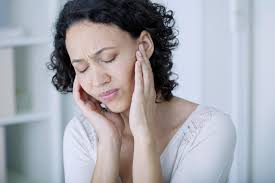
Hearing is one of the most valuable senses we have. It allows us to communicate, enjoy music, stay aware of our surroundings, and maintain meaningful relationships. Unfortunately, hearing health is often overlooked until noticeable problems begin to appear. Millions of people experience hearing difficulties due to aging, loud noise exposure, poor lifestyle habits, infections, or underlying medical conditions.
The good news is that many aspects of hearing health can be protected through healthy habits, proper nutrition, and early care. Alongside a balanced lifestyle, many people also choose natural hearing support supplements to help maintain ear and auditory wellness.
What Is Hearing Health?
Hearing health refers to the overall condition of your ears and auditory system. Healthy hearing means your ears can detect sounds clearly, send signals to the brain accurately, and help you understand speech without difficulty.
Good hearing health depends on:
- Healthy inner, middle, and outer ears
- Proper blood circulation
- Healthy auditory nerves
- Brain processing of sound
- Protection from excessive noise
Maintaining hearing health is not only about avoiding hearing loss—it also supports communication, confidence, productivity, and overall quality of life.
Why Does Hearing Health Matter?
Hearing health matters because hearing influences nearly every part of daily life.
Healthy hearing helps you:
- Communicate effectively
- Stay socially active
- Improve workplace performance
- Detect warning sounds
- Enjoy music and entertainment
- Reduce stress and frustration
- Support healthy brain function
Ignoring hearing problems may lead to isolation, communication difficulties, anxiety, and reduced cognitive performance over time.
Why Is Hearing Health Important for Adults?
Adults face increasing risks of hearing decline due to:
- Natural aging
- Workplace noise
- Ear infections
- High blood pressure
- Diabetes
- Smoking
- Certain medications
- Frequent headphone use
As we grow older, tiny hair cells inside the inner ear gradually become damaged. Unlike many other body cells, these sensory hair cells do not regenerate, making prevention extremely important.
Adults who prioritize hearing health often experience better communication, stronger relationships, and improved mental well-being.
How Can I Improve My Hearing Health Naturally?
Natural hearing support starts with healthy daily habits.
Protect Your Ears
Wear ear protection around:
- Loud machinery
- Concerts
- Fireworks
- Construction sites
Lower Headphone Volume
Follow the 60/60 rule:
- No more than 60% volume
- No longer than 60 minutes at a time
Stay Physically Active
Exercise improves blood circulation, including circulation to the delicate structures inside the ears.
Good options include:
- Walking
- Cycling
- Swimming
- Yoga
Manage Stress
Chronic stress may worsen ringing in the ears (tinnitus) for some people.
Helpful techniques include:
- Meditation
- Deep breathing
- Better sleep
- Relaxation exercises
Quit Smoking
Smoking restricts blood flow and increases the risk of hearing loss.
Stay Hydrated
Proper hydration supports healthy circulation and overall ear function.
Control Medical Conditions
Managing diabetes, blood pressure, and cholesterol may help reduce hearing-related complications.
What Foods Help Improve Hearing Health?
Nutrition plays an important role in protecting the auditory system.
Leafy Green Vegetables
Spinach, kale, and broccoli contain antioxidants and folate that support healthy circulation.
Fatty Fish
Salmon, sardines, and tuna provide omega-3 fatty acids, which may help maintain healthy hearing as people age.
Citrus Fruits
Oranges, lemons, and grapefruits contain vitamin C, an antioxidant that helps protect cells from oxidative stress.
Nuts and Seeds
Almonds, walnuts, sunflower seeds, and pumpkin seeds provide vitamin E and healthy fats.
Eggs
Eggs contain vitamin B12, an important nutrient for nerve health.
Bananas
Bananas are rich in potassium, which supports fluid balance in the inner ear.
Dark Chocolate
In moderation, dark chocolate may support healthy blood circulation.
Garlic
Garlic contains natural compounds that support circulation and immune health.
What Causes Poor Hearing Health?
Many different factors can contribute to hearing problems.
Loud Noise Exposure
Repeated exposure to loud sounds is one of the leading causes of hearing damage.
Examples include:
- Loud music
- Industrial equipment
- Power tools
- Firearms
Aging
Age-related hearing loss becomes more common after age 60.
Ear Infections
Untreated infections may damage ear structures over time.
Earwax Blockage
Excessive wax buildup can temporarily reduce hearing.
Chronic Diseases
Conditions such as:
- Diabetes
- High blood pressure
- Cardiovascular disease
may reduce blood flow to the inner ear.
Smoking
Smoking decreases oxygen delivery to delicate hearing tissues.
Certain Medications
Some antibiotics, chemotherapy drugs, and high doses of certain pain relievers may affect hearing.
Head Injuries
Trauma can damage the auditory nerve or inner ear.
Can Hearing Loss Be Prevented?
Not every type of hearing loss can be prevented, but many cases can be reduced through healthy habits.
Prevention tips include:
- Wear hearing protection
- Keep headphone volume moderate
- Avoid prolonged loud noise
- Treat ear infections early
- Eat a nutrient-rich diet
- Exercise regularly
- Stop smoking
- Manage chronic health conditions
- Schedule hearing tests, especially after age 50
Early prevention is much easier than trying to manage permanent hearing loss later.
How Does Hearing Affect Brain Health?
The ears and brain work together continuously.
When hearing becomes impaired:
- The brain works harder to understand speech.
- Mental fatigue increases.
- Communication becomes more difficult.
- Memory performance may decline.
- Social withdrawal becomes more common.
Research suggests that untreated hearing loss is associated with a higher risk of cognitive decline and dementia. While hearing loss does not directly cause dementia, maintaining good hearing may help reduce cognitive strain and support overall brain health.
Healthy hearing allows the brain to process sound efficiently, supporting attention, learning, and memory.
What Are the Signs of Hearing Damage?
Early symptoms often develop gradually.
Common warning signs include:
- Frequently asking people to repeat themselves
- Difficulty understanding conversations
- Turning up the TV volume
- Ringing in the ears (tinnitus)
- Muffled hearing
- Trouble hearing in noisy environments
- Missing phone notifications
- Feeling exhausted after conversations
- Difficulty hearing children’s or women’s voices
If these symptoms continue, it’s important to seek evaluation from a qualified hearing professional.
What Vitamins Are Good for Hearing Health?
Certain vitamins and minerals help support healthy ear function.
Vitamin A
Supports healthy tissues.
Sources:
- Sweet potatoes
- Carrots
- Pumpkin
Vitamin C
Provides antioxidant protection.
Sources:
- Oranges
- Kiwi
- Strawberries
Vitamin D
Supports bone and immune health.
Sources:
- Sunlight
- Eggs
- Fatty fish
Vitamin E
Helps protect cells from oxidative stress.
Sources:
- Almonds
- Sunflower seeds
Vitamin B12
Supports nerve function.
Sources:
- Fish
- Meat
- Eggs
- Dairy
Magnesium
May help protect hearing from excessive noise exposure.
Sources:
- Spinach
- Avocados
- Beans
Zinc
Supports immune function and ear health.
Sources:
- Pumpkin seeds
- Beef
- Chickpeas
Omega-3 Fatty Acids
Support circulation and healthy aging.
Sources:
- Salmon
- Walnuts
- Flaxseeds
My Personal Experience with Sonus Zen
Over time, I noticed that after spending long hours working with headphones and attending noisy environments, my ears often felt tired. Occasionally, I also experienced mild ringing after extended periods of loud audio exposure. While I understood that no supplement can cure hearing loss or replace medical treatment, I wanted to support my overall hearing health through better lifestyle habits.
Along with eating healthier, limiting headphone volume, exercising regularly, and getting enough sleep, I decided to add Sonus Zen to my daily wellness routine.
After using Sonus Zen consistently as directed for several weeks, I felt that my overall ear comfort improved, and I became more mindful of protecting my hearing. The supplement became one part of a broader hearing health plan that included healthy nutrition, hydration, stress management, and avoiding excessive noise.
It’s important to note that this reflects my personal experience only. Individual results can vary, and Sonus Zen should not be viewed as a cure or treatment for hearing loss. Anyone experiencing sudden hearing changes, persistent tinnitus, ear pain, or significant hearing difficulties should consult a qualified healthcare professional or audiologist for proper evaluation.
Additional Daily Tips for Healthy Hearing
Simple habits can make a big difference over time:
- Clean ears safely without inserting cotton swabs deeply.
- Rest your ears after loud environments.
- Stay physically active.
- Eat antioxidant-rich foods daily.
- Keep blood pressure under control.
- Drink enough water.
- Sleep at least 7–8 hours each night.
- Schedule routine hearing tests if you’re at higher risk.
- Wear earplugs during loud events.
- Avoid smoking and limit alcohol consumption.
When Should You See a Doctor?
Seek medical attention if you experience:
- Sudden hearing loss
- Persistent ear pain
- Continuous ringing in one or both ears
- Fluid or blood draining from the ear
- Dizziness accompanied by hearing changes
- Hearing loss that interferes with daily life
Early diagnosis often leads to better treatment outcomes.
Frequently Asked Questions (FAQs)
Can hearing improve naturally?
Some temporary hearing issues caused by earwax buildup, infections, or congestion may improve after treatment. However, permanent damage to the inner ear usually cannot be reversed naturally. Healthy habits can help protect remaining hearing and support overall ear wellness.
Is tinnitus always permanent?
No. Tinnitus can be temporary or long-lasting depending on its underlying cause. A healthcare professional can help identify possible causes and recommend appropriate management strategies.
How often should adults have a hearing test?
Adults with no symptoms may benefit from periodic hearing screenings, especially after age 50. Those with hearing concerns, frequent noise exposure, or certain medical conditions may need more frequent evaluations based on professional advice.
Are supplements enough for hearing health?
Supplements may support overall wellness when used alongside a balanced diet and healthy lifestyle, but they are not a replacement for medical care or proven treatments for hearing disorders.
Final Thoughts
Hearing health is an essential part of overall wellness. Healthy hearing supports communication, relationships, independence, and brain function throughout life. While aging and environmental factors can affect hearing, many healthy habits—including protecting your ears from loud noise, eating a nutrient-rich diet, staying active, and managing chronic conditions—can help preserve hearing for years to come.
If you choose to include a supplement such as Sonus Zen, use it as part of a comprehensive wellness routine rather than as a standalone solution. Combined with good nutrition, healthy lifestyle choices, and regular hearing checkups, you can take meaningful steps toward maintaining healthy hearing and improving your overall quality of life.