Children are naturally curious about the world around them. They enjoy touching different materials, exploring unusual shapes, listening to sounds and discovering how everyday objects work. Parents can encourage this curiosity through simple sensory activities at home without needing expensive equipment or complicated arrangements.
Sensory play gives children opportunities to explore their surroundings using their senses. Activities involving touch, sight, sound and movement can make ordinary playtime more interesting. Whether a child is playing with soft toys, exploring different textures or creating something with household materials, these experiences can encourage exploration and imagination.
The best part is that many sensory activities can be organised using items already available at home. With a little preparation and suitable supervision, parents can create enjoyable experiences that fit naturally into a child’s daily routine.
What Is Sensory Play and Why Is It Important?
Sensory play involves activities that allow children to explore different sensations through their senses. It can include touching soft or rough materials, observing colours, listening to sounds, or moving objects in different ways.
Children often learn through exploration. When they handle an unfamiliar object, they may notice its weight, texture, shape and movement. These small discoveries can encourage them to ask questions and try new things.
Sensory activities can also support opportunities for creative thinking and imaginative play. For example, a child playing with differently shaped objects might arrange them into a pattern or use them to create a pretend shop. The activity becomes more than simple entertainment because the child is making choices and exploring possibilities.
Parents looking for playful ideas and products for children can explore https://gifzy.co.uk/ to discover a range of toys, squishy products and sensory play options. Choosing suitable toys can help make everyday activities at home more interesting while giving children opportunities to explore different textures, shapes and colours.
Parents do not need to plan a formal learning session every time. Allowing children to experiment safely and follow their interests is often enough to make playtime meaningful.
Explore Different Textures With a Touch Activity
One of the easiest sensory activities is creating a small collection of objects with different textures. Parents can use safe household items such as a soft fabric cloth, a smooth wooden object, a sponge or a piece of textured material.
Place the selected objects on a clean surface and allow the child to explore them. Encourage them to describe what they feel. They might notice that one item is soft, another is rough, and another feels smooth or firm.
Parents can make the activity more interesting by asking simple questions. Which object feels softer? Which one is heavier? Can you find two objects that feel similar?
The purpose is not to test the child but to encourage observation. Let them handle the materials at their own pace and choose which ones interest them most.
Discover Colours Through Sorting Games
Colour-sorting activities are simple to organise and can keep young children interested. Collect a selection of large, age-appropriate objects in different colours. These could include building blocks, coloured paper shapes or other safe play items.
Ask the child to group objects according to colour. They can create separate groups, arrange them in a sequence or use them to make a colourful pattern.
Older children may enjoy inventing their own sorting rules. They might organise objects by colour and size or create a repeating pattern using two or three colours.
This activity encourages children to notice similarities and differences. It also gives them an opportunity to make decisions and experiment with different arrangements.
Create a Simple Water Exploration Activity
Water play can provide an interesting sensory experience, particularly for children who enjoy observing movement. Fill a shallow container with a small amount of water and place it on a stable surface.
Provide a few large, safe objects that are suitable for water play. Children can observe how the objects move, whether they float or sink, and how water changes when they gently move an item through it.
Parents can ask questions such as what happens when an object is placed in the water or whether two objects behave in the same way. These questions encourage curiosity without turning the activity into a formal lesson.
Always supervise children closely around water, even when using a shallow container. Empty the container immediately after the activity and keep water away from electrical equipment.
Encourage Imagination With Squishy Toys
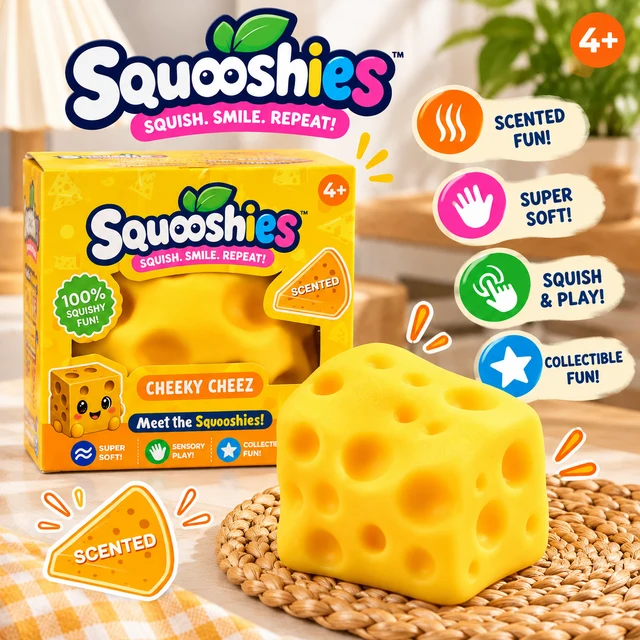
Squishy toys can be a fun addition to sensory play at home. Their soft and flexible textures give children something to press, squeeze and explore. Many designs also come in interesting shapes, colours and character styles.
Parents can use squishy toys as part of a simple storytelling activity. A child might choose a favourite toy and create a story around it, giving it a name, personality or imaginary adventure.
Another idea is to place a few different squishies together and encourage the child to describe their shapes, colours and textures. They can decide which toy they like most and explain why.
Slow-rising squishies can also attract children’s attention because they gradually return to their original shape after being squeezed. This provides an opportunity to observe how different toys respond to gentle pressure.
Parents looking for different designs can explore https://gifzy.co.uk/collections/squeeze-squishy-toys for squishy and sensory play options. Always check the age guidance and product instructions before giving a toy to a child.
Make Sounds and Discover Everyday Noise
Sound-based activities can help children become more aware of the noises around them. Parents can introduce a simple listening game by asking children to close their eyes briefly and identify familiar sounds.
For example, they might hear a clock ticking, birds outside, water running or a door opening. After listening, ask them to describe what they noticed.
Another option is to use safe household objects to explore different sounds. A wooden spoon gently tapping a suitable container may produce a different sound from a soft fabric item being moved. Keep the volume comfortable and avoid sharp or loud noises.
Children can also create a simple rhythm by clapping their hands or tapping a soft surface. Let them repeat the rhythm or invent a new one. This turns an ordinary moment into an enjoyable activity.
Create a Mini Nature Exploration Corner
Nature provides many interesting things for children to observe. Parents can create a small exploration corner using safe items such as large leaves, flowers, pine cones or smooth stones collected from suitable places.
Children can look closely at the shapes, colours and patterns. They may notice that leaves have different edges or that some natural objects feel smoother than others.
A magnifying glass can make the activity more engaging for older children, allowing them to examine small details more closely. Parents can encourage them to draw what they see or describe their observations.
Choose clean and safe materials, and avoid items that may be sharp, poisonous or contaminated. Small objects should not be given to children who may put them in their mouths. Wash hands after handling natural materials.
Use Building Activities to Encourage Problem-Solving
Building with blocks or other suitable construction toys gives children the opportunity to experiment. They can create towers, simple structures, roads or imaginary buildings.
Rather than showing them exactly what to build, parents can offer a small challenge. Can you make a tower that stands without falling? Can you build something with only five blocks? What happens if you change the arrangement?
Children may need to try several approaches before finding a solution. This is a natural part of exploration and gives them a chance to learn through trial and error.
The activity can also become a shared family experience. Parents and children can take turns adding pieces to a structure or creating a story about what they have built.
Set Up a Small Sensory Play Area at Home
A dedicated sensory play area does not need to take up much space. A small basket or storage box can hold a selection of suitable toys and materials that children can use during supervised activities.
Include a mixture of options rather than filling the space with too many similar products. Soft toys, simple fidget items, textured materials and age-appropriate building toys can provide different experiences.
Keep the area organised so children can see what is available. Rotating a few toys from time to time can also make familiar activities feel interesting again.
For a more relaxed atmosphere, parents can create a comfortable space with cushions, soft lighting and a few favourite toys. This can become a useful place for quiet play, reading or storytelling.
Let Children Lead Their Own Exploration
One of the most important parts of sensory play is allowing children to make choices. Adults may have an activity in mind, but children often discover new ways to use materials.
A child might turn a simple sorting game into a pretend shop or use building blocks to create an imaginary animal. These unexpected ideas are part of creative exploration.
Parents can support this process by asking open questions and showing interest in what the child is doing. Instead of correcting every action, give them room to experiment as long as the activity remains safe.
It is also important to recognise that children have different preferences. Some enjoy messy activities, while others prefer clean and organised play. Some like bright colours and movement, while others prefer quiet activities involving soft textures. Choosing activities that match these preferences can make playtime more enjoyable.
Keep Sensory Activities Safe and Age-Appropriate
Safety should always be considered when preparing activities at home. Choose materials that are suitable for the child’s age and development. Avoid small objects, sharp materials, toxic substances and items that could easily break into dangerous pieces.
Supervise water play, messy activities and any activity involving household materials. Do not allow children to handle cleaning products, medicines or other potentially harmful substances.
Toys should be checked regularly for damage, loose parts or exposed filling. Follow the manufacturer’s cleaning and care instructions, particularly for squishy and plush products.
Parents should also avoid forcing children to touch or use materials they dislike. Sensory preferences differ, and children should be allowed to participate in ways that feel comfortable to them.
Final Thoughts
Simple sensory activities can turn ordinary time at home into opportunities for discovery. From exploring textures and sorting colours to playing with squishy toys and building creative structures, children can find many ways to investigate the world around them.
The most effective activities do not need to be expensive or complicated. A little preparation, suitable materials and room for imagination can make a real difference. By following children’s interests and providing safe opportunities to experiment, parents can encourage curiosity and make everyday play more enjoyable.