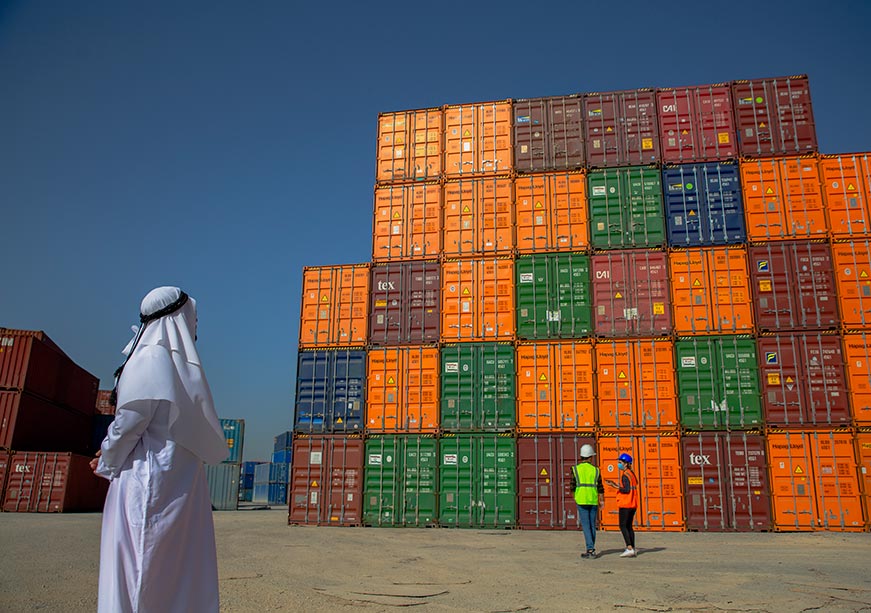
Importing goods from the UAE to Pakistan can give businesses access to a wide range of products, suppliers and international trade opportunities. The UAE is an important trading centre for the region, while Pakistan has demand for imported raw materials, machinery, electronics, consumer products and industrial supplies. However, a successful import involves more than finding a supplier and arranging transportation. Businesses must understand product regulations, customs documentation, shipping costs and delivery arrangements before placing an order.
For companies planning to import goods from the UAE, careful preparation can help prevent unexpected expenses, customs delays and problems with suppliers. Understanding each stage of the process also makes it easier to choose suitable shipping arrangements and manage the movement of cargo.
For general logistics information and shipping support, businesses can visit https://nobleline.ae/ before planning their next international shipment.
Understand the Product You Intend to Import
The first step is to identify exactly what you want to import. Businesses should confirm the product description, quantity, quality, country of origin and intended use before requesting quotations from suppliers. These details matter because different goods can have different import conditions in Pakistan.
Some products may require special permissions, certificates, inspections or compliance with relevant Pakistani standards. Food products, chemicals, medicines, electrical equipment and certain industrial goods may be subject to additional requirements. Importers should therefore check the rules that apply to their specific product rather than assuming that every item can enter Pakistan under the same procedure.
It is also important to identify the correct HS code, or Harmonized System code, for the product. Customs authorities use this classification to determine applicable duties, taxes and regulatory requirements. An incorrect HS code can lead to classification disputes, additional costs or delays during customs clearance.
Check Pakistani Import Regulations Before Ordering
Import regulations should be reviewed before a business makes payment or confirms an order. Pakistan’s import requirements can vary depending on the product category, its origin and the applicable government policies.
Importers should check whether their products are freely importable, restricted or subject to specific conditions. They should also confirm whether any licence, permit, registration or conformity certificate is required. This is particularly important for businesses importing regulated products or goods that need approval from a relevant government department.
Customs duties and taxes should also be calculated in advance. The final amount may depend on the product’s HS code, customs valuation and applicable tax rules. Businesses should not rely only on the supplier’s quoted price when estimating the cost of an import.
A customs agent or trade professional can help review product classification and documentation. However, the importer should still understand the main requirements and remain responsible for ensuring that the shipment complies with Pakistani regulations.
Choose a Reliable Supplier in the UAE
Selecting the right supplier is one of the most important decisions in international trade. A low quotation does not always represent the best deal. Businesses should assess the supplier’s experience, product quality, business background and ability to meet delivery commitments.
Before confirming an order, request a detailed quotation that clearly identifies the product specifications, quantity, unit price, packaging and expected dispatch date. If the goods are being purchased for resale or manufacturing, samples or product inspections may help confirm that the items meet the required standards.
Payment terms should also be agreed in writing. Importers should understand when payment is due, what happens if goods are damaged or incorrect, and how disputes will be handled. Businesses dealing with a new supplier may want to use suitable payment protections rather than transferring the full amount without sufficient verification.
Clear communication is equally important. Both parties should agree on the shipping arrangements, delivery responsibilities and documents that the supplier must provide.
Understand Shipping Costs and Transportation Options
Transportation is a major part of the total import cost. Goods moving from the UAE to Pakistan may be transported by sea or air, depending on the type of cargo, shipment size, delivery requirements and available budget.
Sea freight is commonly considered for larger shipments, heavy cargo and goods that do not require urgent delivery. Businesses can use Full Container Load (FCL) when they have enough cargo to occupy a container, or Less than Container Load (LCL) when their goods share container space with shipments from other businesses.
Air freight may be suitable for urgent, high-value or relatively lightweight goods. It can reduce transit time, but the transportation cost is usually higher than sea freight. Importers should compare the total cost and delivery requirements before choosing an option.
The shipping quotation should be reviewed carefully. Businesses need to understand which services are included and which charges may be billed separately. These can include origin handling, documentation, freight, destination handling, port charges, customs-related expenses and inland transportation.
For businesses comparing different logistics arrangements, it is useful to understand the available freight forwarding services and how they support international cargo movement. More information is available at https://nobleline.ae/services/freight-forwarding/.
Prepare the Correct Shipping and Customs Documents
Documentation plays a central role in the import process. Missing, inaccurate or inconsistent paperwork can delay customs clearance and create additional costs.
The commercial invoice is one of the key documents. It records details such as the seller, buyer, product description, quantity, unit price and total value. Customs authorities may use this information when assessing the shipment.
The packing list provides details about the cargo’s packaging, number of packages, weight and dimensions. It helps shipping and customs teams identify and handle the goods correctly.
For sea shipments, the Bill of Lading is an important transport document. It provides evidence of the contract of carriage and records key information about the shipment. Depending on the arrangement, businesses may also receive a House Bill of Lading through a freight forwarder or NVOCC.
A certificate of origin may be required to establish where the goods were produced. Other documents, such as inspection certificates, permits, insurance documents or product-specific approvals, may also be needed.
Importers should ensure that the information across all documents is consistent. Product descriptions, quantities, consignee details and shipment references should match wherever applicable.
Understand Incoterms and Delivery Responsibilities
Businesses importing from the UAE should understand the Incoterms agreed with their supplier. These internationally recognised trade terms explain how responsibilities, costs and risks are divided between the buyer and seller.
For example, under an arrangement where the seller handles transportation to an agreed destination, the buyer may have fewer responsibilities for organising the main carriage. Under other terms, the buyer may need to arrange freight, insurance or additional transportation independently.
The selected Incoterm can affect the total landed cost of the goods. It can also determine when the risk of loss or damage transfers from the seller to the buyer.
Importers should not accept a trade term without understanding what it covers. They should confirm the named place or port, responsibility for export and import formalities, insurance arrangements and any charges that remain payable by the buyer.
Calculate the Total Landed Cost
One common mistake is calculating the import budget using only the supplier’s invoice and international freight quotation. The actual cost of receiving goods in Pakistan can be higher.
The total landed cost may include the purchase price, transportation, insurance, customs duties, applicable taxes, port handling, customs clearance, storage and inland delivery. Additional charges may arise if documentation is incomplete or the shipment remains at the port longer than expected.
Businesses should prepare a realistic cost estimate before placing an order. This helps them decide whether the goods can be sold at a profitable price or used within their production budget without creating financial pressure.
It is also useful to keep a reserve for unexpected expenses. Changes in shipping arrangements, delays, inspections or additional handling requirements can affect the final amount payable.
Plan for Customs Clearance and Port Handling
Once goods arrive in Pakistan, they must go through the relevant customs procedures before they can be released. Importers should make sure that the required documents are ready and that the customs declaration contains accurate information.
The customs process may involve document review, assessment of duties and taxes, examination of the cargo or other regulatory checks. The exact procedure depends on the shipment and the applicable import requirements.
Businesses should also consider the port or terminal handling arrangements. Cargo may need to be collected, transferred or moved to a warehouse after release. Delays in arranging these activities can increase storage or other related charges.
Working with an experienced logistics provider and customs professional can help businesses coordinate the movement of goods and understand the steps involved. However, importers should remain involved and respond promptly when additional information or documents are requested.
Consider Cargo Insurance and Risk Management
International shipments can face several risks during transportation. Cargo may be damaged by handling, exposed to unsuitable conditions or delayed because of operational problems. Although logistics providers take steps to manage cargo movement, businesses should consider whether suitable insurance is needed.
The type and level of cover should reflect the value, nature and handling requirements of the goods. Importers should review the insurance terms carefully, including exclusions, claim procedures and the responsibilities of each party.
Packaging is another important consideration. Goods should be packed according to their weight, dimensions, fragility and transportation method. Appropriate labelling and protective materials can reduce the risk of damage during loading, unloading and transit.
Work with a Logistics Partner That Understands the Route
Importing goods successfully requires coordination between suppliers, shipping companies, freight forwarders, customs representatives and local transport providers. A reliable logistics partner can help businesses organise cargo movement, understand shipping options and manage important transport documentation.
The UAE–Pakistan trade route involves coordination between origin and destination operations. Businesses should confirm the planned shipping schedule, departure arrangements, destination port, expected transit time and cargo handling requirements before dispatch.
It is also useful to choose a provider that can explain the services included in its quotation. Clear communication about documentation, charges and shipment milestones helps importers plan their operations with greater confidence.
Final Thoughts
Importing goods from the UAE to Pakistan can support business growth, improve product availability and create opportunities to work with international suppliers. However, businesses should not treat the process as a simple transportation arrangement. Product regulations, supplier verification, customs documentation, freight selection and total landed cost all influence the success of an import.
By checking requirements before ordering, agreeing on clear delivery terms and planning logistics carefully, businesses can reduce avoidable risks and manage shipments more effectively. A well-organised import process helps companies control costs, avoid unnecessary delays and build stronger international supply relationship.