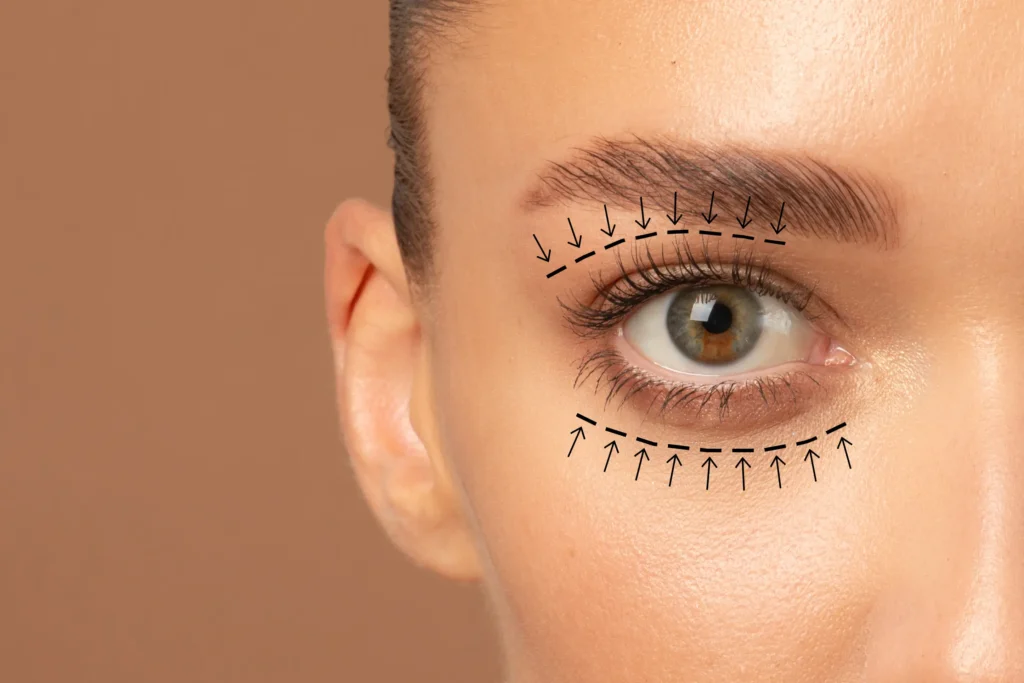
The eyes play an important role in facial appearance, influencing how expressions, emotions and overall facial features are perceived. The upper eyelids, in particular, contribute to the balance and definition of the eye area. However, as the skin gradually loses elasticity with age, excess tissue can develop around the upper eyelids, creating a heavier or drooping appearance. This change may make someone look tired, older or less refreshed, even when they feel energetic and well-rested.
Drooping upper eyelids can affect more than the appearance of the eyes. They may alter the natural shape of the eyelid crease, reduce the visible upper eyelid space and change the overall proportions of the face. For individuals who feel that these changes no longer reflect their appearance, upper eyelid surgery may be an option worth exploring.
At Bodyvie Clinic, patients considering Upper Eyelid Surgery in London can explore treatment options based on their facial features, skin condition and individual aesthetic goals. Understanding how drooping eyelids influence facial appearance is an important first step towards making an informed decision about treatment.
Understanding Why Upper Eyelids Begin to Droop
The upper eyelid area naturally changes over time. The skin around the eyes is particularly delicate and can gradually become thinner and less elastic. As the supporting tissues change, excess skin may collect above the natural eyelid crease.
Several factors can contribute to this development, including:
- Ageing: Natural ageing gradually reduces skin elasticity and firmness, allowing the upper eyelid skin to become looser.
- Genetic characteristics: Some individuals naturally have heavier upper eyelids or develop excess eyelid skin at an earlier age.
- Changes in facial volume: Alterations in the distribution of fat and soft tissue around the forehead and eyes can influence eyelid appearance.
- Natural facial structure: Brow position, eyelid anatomy and inherited facial features can all contribute to the appearance of the upper eyelids.
- Lifestyle influences: Sun exposure and other environmental factors may contribute to changes in skin quality over time.
Although these changes are commonly associated with ageing, drooping eyelids do not affect everyone in the same way. Some people develop noticeable upper eyelid fullness, while others experience a gradual reduction in the visible eyelid area.
How Drooping Eyelids Can Change Facial Appearance
The upper eyelids help define the eyes and contribute to the overall balance of the upper face. When excess skin develops, it can change the way the eyes appear in relation to the eyebrows, forehead and surrounding facial features.
1. Creating a Tired or Sleepy Appearance
One of the most noticeable effects of drooping eyelids is a tired-looking expression. Excess skin can create additional folds above the eyelashes, making the eyes appear smaller or less open.
This appearance may remain even after sufficient sleep or rest. As a result, some individuals feel that their facial expression does not accurately reflect how they feel.
Upper eyelid surgery may help address excess skin that contributes to this heavier appearance, allowing the natural eyelid contour to become more visible.
2. Making the Eyes Appear Smaller
The visible area of the upper eyelid plays an important role in defining eye shape. When loose skin gathers around the eyelid crease, it can partially cover the natural eyelid surface.
This may make the eyes appear narrower, particularly when looking straight ahead. In some cases, the natural eyelid crease becomes less defined, changing the overall appearance of the eyes.
By addressing excess upper eyelid skin, surgery may help create a more defined eyelid contour while maintaining the individual’s natural eye shape.
3. Affecting Facial Symmetry
Facial symmetry is influenced by several features, including the position of the eyebrows, eyelids and eyes. Although perfect symmetry is uncommon, significant differences between the upper eyelids can make the face appear uneven.
For example, one upper eyelid may have more excess skin than the other, creating differences in eyelid folds or the amount of visible eyelid space.
An assessment can help determine whether these differences are related to excess skin, natural anatomical variation or eyebrow positioning. Understanding the underlying cause is important when planning an appropriate treatment approach.
4. Changing the Appearance of the Eyebrows
The eyebrows and upper eyelids work together to create the appearance of the upper face. When excess eyelid skin develops, it can make the area beneath the eyebrows look heavier.
Some individuals may also unconsciously raise their eyebrows to make their eyes appear more open. Over time, this can influence their usual facial expression and forehead appearance.
It is important to distinguish between excess upper eyelid skin and a lowered eyebrow position. Although these concerns can occur together, they do not necessarily require the same treatment.
5. Making the Face Look Older
The eye area is one of the first places where age-related changes can become noticeable. Loose upper eyelid skin, deeper folds and reduced eyelid definition may contribute to an older-looking appearance.
When these changes become more pronounced, they can affect the overall impression of the face, even if the cheeks, jawline and other facial features remain relatively unchanged.
Upper eyelid surgery focuses on improving the appearance of the upper eyelids rather than changing the entire face. The aim is to address excess tissue while preserving natural facial characteristics.
What Is Upper Eyelid Surgery?
Upper eyelid surgery, also known as upper blepharoplasty, is a surgical procedure designed to address excess skin and, where appropriate, selected tissue around the upper eyelids.
The procedure is generally planned according to the individual’s eyelid anatomy and aesthetic concerns. An incision is commonly placed within the natural upper eyelid crease, helping to keep the resulting scar less noticeable once the area has healed.
During the procedure, the surgeon carefully assesses how much excess skin needs to be addressed. Depending on the patient’s anatomy, adjustments to underlying tissue may also be considered.
The objective is not to create an entirely different eye shape. Instead, treatment aims to improve the definition of the upper eyelid while maintaining a natural relationship between the eyes, eyebrows and surrounding facial features.
People considering Upper Eyelid Surgery in London should have a detailed consultation to understand whether their concerns are related to excess skin, eyebrow position or another anatomical factor.
Who May Consider Upper Eyelid Surgery?
Upper eyelid surgery may be suitable for adults who are concerned about excess skin or heaviness around their upper eyelids.
Individuals who may wish to explore the procedure include those who:
- Have loose or excess skin gathering above the natural eyelid crease.
- Feel their eyes appear consistently tired or heavy.
- Have reduced visibility of the upper eyelid surface.
- Notice changes in eyelid definition as they get older.
- Have differences in the appearance of their upper eyelids.
- Prefer a treatment approach that focuses specifically on the upper eyelid area.
Age alone does not determine suitability. The condition of the skin, eyelid structure, eyebrow position and overall facial anatomy are more important considerations.
A consultation also helps establish whether the patient’s expectations are realistic and whether upper eyelid surgery is an appropriate option for their concerns.
Upper Eyelid Surgery vs Lower Eyelid Surgery: Understanding the Difference
Upper and lower eyelid surgery address different areas of the eyes. Although both procedures fall under the broader category of blepharoplasty, their objectives and treatment approaches are different.
Upper eyelid surgery primarily focuses on excess skin and tissue above the eyes. It may help improve the definition of the upper eyelid crease and reduce the appearance of heaviness.
Lower eyelid surgery, on the other hand, focuses on concerns beneath the eyes, such as prominent under-eye bags, excess lower eyelid skin and changes in the lower eyelid contour.
For individuals researching Lower Eyelid Surgery In London, it is useful to understand that lower eyelid concerns may require a different surgical approach from upper eyelid changes.
Some patients experience concerns in both areas, while others are primarily concerned about either the upper or lower eyelids. A personalised assessment can help determine which treatment, if any, is appropriate.
What Happens During an Upper Eyelid Surgery Consultation?
A consultation is an important part of treatment planning because not every heavy-looking upper eyelid is caused by excess skin.
During an assessment, the surgeon may consider several factors:
Eyelid skin quality: The amount of loose skin, its elasticity and how it sits above the natural eyelid crease.
Natural eyelid shape: The position and definition of the eyelid crease and the relationship between the upper and lower eyelids.
Eyebrow position: Whether a lower eyebrow position contributes to the appearance of heaviness.
Facial proportions: How the eyelids relate to the forehead, eyebrows and other facial features.
Individual expectations: The changes the patient hopes to achieve and whether they are appropriate for their anatomy.
This assessment helps establish a treatment plan that considers both the patient’s concerns and their natural facial characteristics.
What Results Can Patients Expect from Upper Eyelid Surgery?
The results of upper eyelid surgery vary according to the amount of excess skin, individual anatomy and the surgical approach.
Many patients seek a more defined upper eyelid crease and a less heavy appearance around the eyes. Addressing excess skin may also make more of the natural eyelid surface visible.
The aim is generally to achieve a refreshed appearance without making the eyes look unnatural or significantly changing their original shape.
It is important to understand that upper eyelid surgery does not stop the natural ageing process. Skin and facial tissues continue to change over time, meaning that long-term appearance can be influenced by several factors.
Patients should discuss their expected results during consultation and understand how their individual features may influence the outcome.
Choosing an Eyelid Surgery Clinic in London
Selecting an appropriate clinic is an important part of exploring any surgical treatment. Patients should look for a setting where individual concerns are assessed carefully and treatment recommendations are based on their anatomy rather than a standard approach.
When researching an Eyelid Surgery Clinic in London, consider the following:
- Whether the clinic provides consultations focused on individual facial anatomy.
- Whether the surgeon has relevant experience in eyelid surgery.
- Whether treatment options and expected outcomes are explained clearly.
- Whether the proposed approach considers natural eye shape and facial proportions.
- Whether patients have an opportunity to discuss their expectations and ask questions.
Bodyvie Clinic provides an opportunity for individuals to explore aesthetic treatment options and discuss their concerns with an appropriate clinical professional.
A thorough consultation can help patients understand whether upper eyelid surgery is suitable and what approach may best address their individual requirements.
Conclusion
Drooping upper eyelids can influence facial appearance in several ways. Excess skin may make the eyes appear smaller, create a tired expression, affect eyelid symmetry and contribute to an older-looking upper face. These changes can develop gradually and are influenced by ageing, genetics and individual facial anatomy.
Upper eyelid surgery offers an option for addressing excess skin and improving the definition of the upper eyelid area. However, achieving a natural-looking result depends on understanding the underlying cause of the concern and selecting an appropriate treatment approach.
For individuals considering Upper Eyelid Surgery in London, a personalised consultation at Bodyvie Clinic can help clarify suitable options, discuss expected outcomes and establish a treatment plan that respects natural facial proportions.
Frequently Asked Questions
1. How do drooping eyelids affect facial appearance?
Drooping eyelids can make the eyes appear smaller, heavier or tired. They may also reduce the visibility of the natural eyelid crease and affect the balance between the eyebrows and eyes.
2. Can upper eyelid surgery make the eyes look bigger?
Upper eyelid surgery may make more of the natural eyelid surface visible by addressing excess skin. This can create a more open appearance, although the procedure does not change the actual size of the eyes.
3. Does upper eyelid surgery change the natural shape of the eyes?
The main objective is to improve the upper eyelid contour while maintaining natural eye shape. The surgical approach is planned according to individual anatomy and aesthetic goals.
4. What is the difference between drooping eyelids and excess eyelid skin?
Excess eyelid skin, known as dermatochalasis, occurs when loose skin gathers over the upper eyelid. True eyelid drooping, known as ptosis, involves a lower position of the upper eyelid margin. These conditions have different underlying causes and may require different treatments.
5. Can upper eyelid surgery improve facial symmetry?
It may improve the appearance of symmetry when differences are partly caused by uneven excess upper eyelid skin. However, natural differences in eyebrow position, eye shape and facial structure may remain.
6. Is upper eyelid surgery suitable for younger adults?
Some younger adults may have naturally heavy upper eyelids or genetically influenced excess skin. Suitability depends on their anatomy, concerns and overall assessment rather than age alone.
7. How long does upper eyelid surgery take?
The procedure commonly takes around one to two hours, depending on the surgical plan and individual requirements. The exact duration should be discussed with the surgeon.
8. Can upper and lower eyelid surgery be performed together?
Yes, some patients may be suitable for combined upper and lower eyelid surgery. The decision depends on the condition of both eyelid areas, individual anatomy and clinical assessment.
9. Will upper eyelid surgery remove all signs of ageing around the eyes?
Upper eyelid surgery specifically addresses excess skin and selected tissue in the upper eyelid area. It does not treat every sign of ageing, such as forehead lines, crow’s feet or under-eye hollows.
10. How can I find out whether I need upper eyelid surgery?
A consultation with an appropriately qualified surgeon is the best way to determine whether excess upper eyelid skin, eyebrow position or another anatomical factor is responsible for your concerns. An individual assessment can help identify the most suitable approach.

