Gynecomastia surgery in Lahore
Stage 4 gynecomastia refers to a severe form of male breast enlargement characterized by significant breast volume, pronounced sagging or ptosis, and a substantial amount of excess skin. At this stage, gynecomastia is usually more complex than simple excess fat or a small amount of glandular tissue. Treatment may require a combination of glandular tissue removal, liposuction, skin excision, and repositioning of the nipple-areola complex to create a flatter and more natural-looking male chest.
For men considering gynecomastia surgery in Lahore, understanding the severity of the condition is important because the surgical approach depends on the amount and type of tissue present, skin elasticity, nipple position, and overall chest shape. A qualified plastic surgeon should perform an individual examination before determining the appropriate treatment plan.
What Is Stage 4 Gynecomastia?
Stage 4 gynecomastia generally describes severe gynecomastia with marked breast drooping and excess skin. In some classification systems, the most severe cases are characterized by significant ptosis, where the nipple-areola complex has descended substantially relative to the inframammary fold.
Unlike mild gynecomastia, stage 4 cases may involve several different components:
- Excess glandular breast tissue
- Excess fatty tissue
- Significant loose or redundant skin
- Enlarged or stretched areolas
- Drooping of the nipple-areola complex
- Loss of a defined male chest contour
- Possible excess tissue extending toward the sides of the chest
The exact terminology can vary because several gynecomastia classification systems are used in clinical practice. Therefore, the word “stage 4” should not be interpreted without considering the classification system used by the surgeon.
How Is Stage 4 Gynecomastia Different From Mild Gynecomastia?
Mild gynecomastia may involve a relatively small amount of glandular tissue underneath the nipple, sometimes combined with localized fat. In these cases, liposuction and/or limited glandular excision may be sufficient.
Severe gynecomastia is different because removing the underlying volume can leave a considerable amount of loose skin. If that skin is not addressed, the chest may continue to appear saggy even after the breast tissue has been removed.
The American Society of Plastic Surgeons explains that gynecomastia surgery can involve liposuction, excision of glandular tissue, removal of excess skin, and repositioning or reshaping of the nipple-areola complex depending on the patient’s anatomy.
This is why stage 4 gynecomastia surgery often requires more extensive planning than surgery for a small or moderate enlargement.
What Causes Severe Gynecomastia?
Gynecomastia occurs when male breast tissue becomes enlarged. A number of factors can contribute to its development, including hormonal changes, certain medications, obesity, genetics, and other medical conditions.
Severe enlargement can also become more noticeable following substantial weight changes. Weight loss may reduce the fatty component of the chest, but it cannot necessarily remove established glandular tissue or correct significant skin redundancy.
For this reason, a man with a large chest should not assume that additional dieting or exercise alone will correct the problem. A medical assessment can help determine whether the enlargement is primarily caused by fat, glandular tissue, loose skin, or a combination.
Can Exercise Get Rid of Stage 4 Gynecomastia?
Exercise can improve overall fitness and reduce body fat, but it does not directly remove enlarged glandular breast tissue or significant redundant skin.
Strength training may develop the underlying chest muscles and weight management may reduce excess fat. However, when severe gynecomastia includes substantial glandular tissue and loose skin, surgery may be necessary to achieve a flatter chest contour.
This distinction is particularly important in advanced cases. A surgeon first determines which tissues are responsible for the enlargement and then selects a procedure accordingly.
What Does Gynecomastia Surgery in Lahore Involve?
The treatment for severe gynecomastia is individualized. Depending on the examination, surgery may combine several techniques.
1. Liposuction
Liposuction removes excess fatty tissue through small incisions using a thin cannula. It can be particularly useful when a significant fatty component contributes to chest enlargement.
However, liposuction alone is not always sufficient for severe gynecomastia because it does not remove firm glandular tissue or large quantities of redundant skin.
2. Glandular Tissue Excision
Firm glandular tissue is commonly removed through a surgical incision, often positioned around the edge of the areola when appropriate.
This step can be essential when the enlarged chest contains substantial glandular tissue that cannot be adequately treated through liposuction alone.
3. Excess Skin Removal
Stage 4 cases may have significant skin redundancy. Skin excision removes the extra skin that remains after the breast volume has been reduced.
The required incision depends on the amount and distribution of excess skin. More extensive skin removal can result in larger scars, which should be discussed carefully during consultation.
4. Nipple and Areola Repositioning
Severe gynecomastia can cause the nipple-areola complex to become enlarged or descend to an unnatural position. When substantial skin and breast tissue are removed, the surgeon may need to reposition or reshape the nipple and areola to create a balanced chest contour.
In advanced cases with marked ptosis, surgical literature describes reduction mammoplasty techniques that remove redundant tissue and reposition the nipple-areola complex.
5. Combination Treatment
Many patients require a combination of liposuction and excision. Liposuction can address fatty tissue and help refine the surrounding chest contour, while excision can remove glandular tissue and, when necessary, excess skin.
Who May Be a Candidate for Stage 4 Gynecomastia Surgery?
A suitable candidate is determined through a professional consultation rather than by appearance alone.
During an assessment, the surgeon may consider:
- The amount of breast enlargement
- Degree of skin redundancy
- Nipple position
- Skin elasticity
- Amount of glandular tissue
- Amount and distribution of fat
- Overall body weight
- General health
- Medical history
- Medications and supplements
- Smoking status
- Expectations regarding scars and results
A physical examination is important because the same visible chest enlargement can require very different surgical approaches in different patients.
What Happens During a Gynecomastia Consultation in Lahore?
A consultation should begin with a detailed evaluation of the chest. The surgeon assesses whether the enlargement consists mainly of fat, glandular tissue, loose skin, or a combination of these components.
Depending on the examination and medical history, additional evaluation may sometimes be appropriate. A hard or unusual lump, particularly if it is unilateral or associated with nipple discharge, skin changes, or enlarged lymph nodes, requires proper medical assessment rather than assuming that it is ordinary gynecomastia.
The consultation is also an opportunity to discuss the expected scars, surgical technique, anesthesia, recovery period, possible complications, and realistic results.
What Is Recovery Like After Severe Gynecomastia Surgery?
Recovery varies according to the extent of surgery. A patient undergoing liposuction alone may recover differently from someone requiring glandular excision and extensive skin removal.
After surgery, patients can experience:
- Swelling
- Bruising
- Temporary discomfort
- Tightness across the chest
- Temporary changes in nipple sensation
- Visible incision lines
Surgeons may recommend compression garments and activity restrictions during recovery. ASPS notes that patients generally need to restrict physical activity after surgery, with upper-body exercise typically limited for longer than ordinary daily activities. Complete swelling reduction and final contour refinement can take considerably longer.
Patients should follow their surgeon’s individual postoperative instructions rather than using a fixed recovery timeline from another patient.
Are There Scars After Stage 4 Gynecomastia Surgery?
Scarring is an important consideration in severe gynecomastia surgery.
Small gynecomastia procedures may leave relatively inconspicuous scars around the areola or at small liposuction entry points. However, significant skin removal requires longer incisions.
The extent of scarring depends on the amount of excess skin, surgical technique, nipple position, skin quality, and individual healing. ASPS notes that larger skin-excision procedures can require more extensive scars, although surgeons generally plan incisions strategically to make them as inconspicuous as reasonably possible.
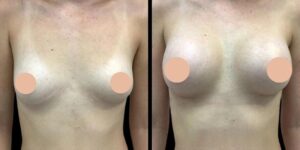
During a consultation for gynecomastia surgery in Lahore, patients should ask to see appropriate before-and-after examples and discuss scar placement before choosing a procedure.
What Results Can Be Expected?
The primary objective of stage 4 gynecomastia surgery is to create a flatter, more proportionate male chest while addressing the underlying excess tissue and skin.
The final result depends on the patient’s anatomy and the surgical approach. Patients should understand that surgery can significantly improve chest contour, but it cannot guarantee perfectly symmetrical breasts, invisible scars, or an identical appearance to another person’s chest.
Swelling can temporarily obscure the final contour. The chest gradually settles as healing progresses.
Is Stage 4 Gynecomastia Surgery Safe?
Gynecomastia surgery is a well-established procedure, but like any operation, it has potential risks. Possible complications include bleeding, hematoma, seroma, infection, changes in sensation, contour irregularities, asymmetry, wound-healing problems, and visible or unfavorable scars.
More extensive procedures can involve larger wounds and therefore require particularly careful postoperative management. Medical literature on severe gynecomastia describes complications including hematoma and seroma, among others.
Choosing an appropriately qualified surgeon and an accredited surgical facility, providing complete medical information, and following postoperative instructions are important parts of risk management.
Choosing a Surgeon for Gynecomastia Surgery in Lahore
Choosing the right surgeon is one of the most important decisions when considering stage 4 gynecomastia surgery in Lahore.
Patients should consider:
- Relevant plastic surgery qualifications and training
- Experience performing male breast reduction procedures
- Experience with severe gynecomastia and skin excision
- Appropriate surgical facilities and anesthesia support
- Clear discussion of risks and expected outcomes
- Before-and-after photographs of comparable cases
- Transparent information about recovery and follow-up
- A consultation that focuses on the patient’s individual anatomy
Severe gynecomastia requires more than simply removing breast volume. The surgeon must consider the relationship between the chest, skin envelope, nipple position, and surrounding tissues.
Frequently Asked Questions About Stage 4 Gynecomastia
Is stage 4 gynecomastia the most severe type?
The answer depends on the classification system being used. Different medical classification systems describe severity differently, so the term should be interpreted according to the specific system used by the treating surgeon. Some systems identify severe cases by marked ptosis and substantial skin redundancy.
Can stage 4 gynecomastia be treated without surgery?
Lifestyle changes may reduce excess fat and improve overall body composition, but established glandular enlargement and significant redundant skin may not resolve with exercise or weight loss alone. A surgeon can determine whether non-surgical measures are likely to help.
Is liposuction enough for stage 4 gynecomastia?
Usually, severe cases require more than liposuction when there is substantial glandular tissue or excess skin. A combination of liposuction, tissue excision, and skin reduction may be considered depending on the individual anatomy.
Will the nipple be repositioned?
It may be necessary when severe skin redundancy has caused significant nipple descent. The exact technique depends on the degree of ptosis and the amount of tissue and skin that must be removed.
Can gynecomastia return after surgery?
Recurrence depends partly on the underlying cause and whether significant glandular tissue remains. Factors such as certain medications, anabolic steroid use, hormonal problems, and substantial weight gain can influence future chest enlargement. The underlying cause should therefore be evaluated before surgery.
Conclusion
Stage 4 gynecomastia is a severe form of male breast enlargement involving significant tissue excess, skin redundancy, and breast or nipple drooping. Because the condition can involve fat, glandular tissue, and excess skin simultaneously, treatment frequently requires a carefully planned combination of surgical techniques.
For men considering gynecomastia surgery in Lahore, the most appropriate treatment should be determined after an in-person examination by a suitably qualified plastic surgeon. Depending on the individual anatomy, treatment may include liposuction, glandular excision, skin removal, and nipple-areola repositioning.
The goal is not simply to remove breast tissue but to achieve a balanced, flatter, natural-looking male chest while maintaining appropriate proportions and addressing the excess skin associated with advanced gynecomastia.