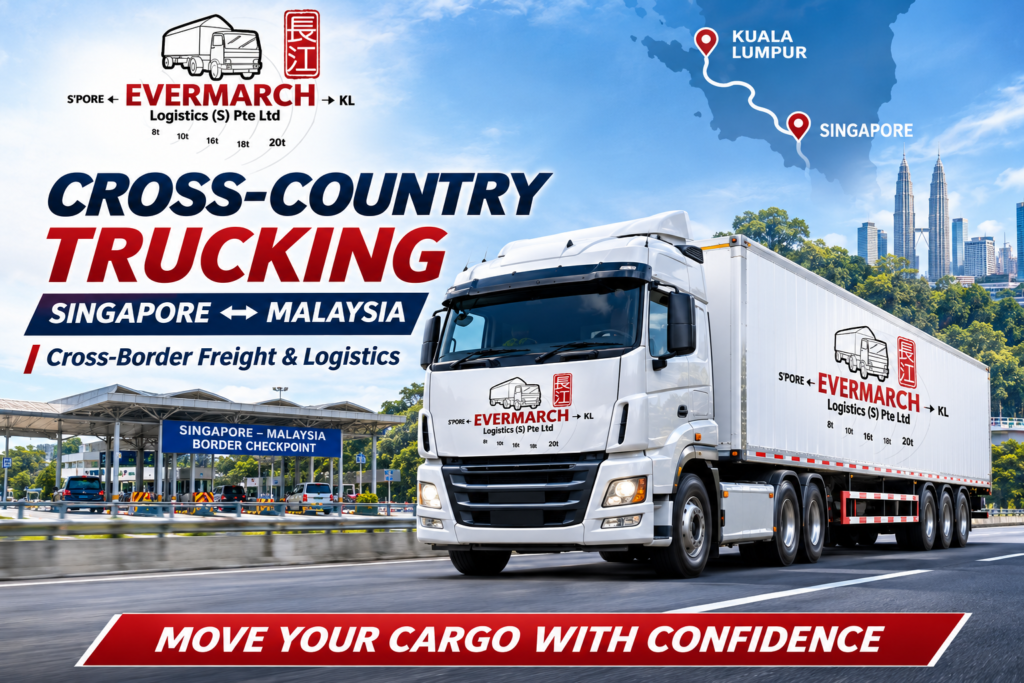
Getting products to the right destination at the right time is an important part of running a successful business. For companies operating between Singapore and Malaysia, delivery planning involves more than choosing a transportation date. Businesses need to coordinate cargo preparation, warehouse availability, customs documentation and receiving arrangements to ensure that shipments can move through the supply chain properly.
Professional Malaysia cargo services can help companies manage these transportation requirements, particularly when they handle recurring commercial shipments. Whether you are a manufacturer sending production materials, a wholesaler distributing merchandise or a retailer replenishing inventory, a well-organised delivery process can make daily operations easier to manage.
Why Delivery Planning Matters in Singapore–Malaysia Trade
Businesses often make purchasing and sales decisions based on when products are expected to arrive. If a shipment is delayed or the collection arrangement is poorly organised, other activities may also be affected.
For example, a retailer may need additional inventory before a promotional period, while a manufacturer may depend on components arriving before production begins. These situations require a transportation plan that considers the actual needs of the business.
A reliable Malaysia cargo delivery service should therefore be part of the wider supply chain planning process. Businesses should consider shipment availability, collection timing, destination requirements and the relevant customs procedures before confirming a booking.
Five Areas to Improve When Planning Cargo Deliveries
1. Establish a Clear Shipment Schedule
Businesses with regular transportation requirements should maintain a shipment schedule that reflects their purchasing and inventory needs.
A schedule helps warehouse teams prepare incoming and outgoing goods, while purchasing departments can coordinate with suppliers more effectively.
It is also useful to review the schedule whenever demand changes. For example, a business may require additional shipments during peak sales periods or before major commercial activities.
2. Provide Complete Cargo Information
A logistics provider needs accurate shipment information before recommending a suitable transportation arrangement.
Businesses should prepare:
- Product descriptions and cargo categories.
- Total quantity and number of packages.
- Estimated cargo weight and dimensions.
- Packaging and pallet requirements.
- Collection and delivery addresses.
- Preferred collection dates.
Accurate information reduces unnecessary clarification and helps the provider assess the shipment more efficiently.
3. Prepare Documentation Before Collection
Cross-border transportation requires businesses to comply with applicable customs and trade requirements.
Depending on the products, documentation may include commercial invoices, packing lists, customs declarations and relevant permits. Certain cargo categories may also require additional supporting information.
Businesses should verify the applicable requirements before dispatch. Preparing the documents early can reduce avoidable administrative problems.
4. Coordinate with Receiving Locations
A delivery arrangement is only useful when the receiving location is ready to accept the cargo.
Businesses should confirm warehouse operating hours, receiving contact details, unloading facilities and any vehicle access restrictions.
This is particularly important for distributors delivering products to several commercial destinations. Clear receiving instructions can help make the process more organised.
5. Allow for Operational Variables
Cross-border deliveries can be affected by traffic conditions, border congestion, customs inspections and other operational factors.
Businesses should plan with realistic delivery expectations rather than assuming that every shipment will follow exactly the same transit time.
For time-sensitive cargo, the collection cut-off and delivery conditions should be confirmed directly with the transportation provider.
How Different Businesses Benefit from Better Delivery Planning
Manufacturers
Manufacturers depend on materials and components to maintain production activities. A structured transportation schedule can help coordinate supplier deliveries and support purchasing decisions.
Wholesale Businesses
Wholesalers may handle several shipments involving different products and customer destinations. Better planning helps them organise inventory movements and prepare orders more effectively.
Retailers
Retailers need products available when customers want to purchase them. Proper cargo planning can support stock replenishment and reduce the uncertainty associated with incoming inventory.
E-commerce Businesses
Online retailers may transport larger quantities of stock from suppliers to warehouses or fulfilment centres. Coordinating these movements helps ensure that products are available for order processing.
Understanding the Role of Cross Country Trucking
Cross country trucking is an important part of Singapore–Malaysia cargo transportation because it connects suppliers, warehouses, factories and customers through road freight.
Businesses can discuss LTL arrangements when they have smaller shipments that do not require an entire truck. Larger cargo volumes may be more suitable for FTL transportation, depending on the vehicle and service requirements.
The right arrangement should be based on the cargo characteristics, destination and delivery priorities.
A professional cross country trucking company should understand these requirements and provide clear information about the transportation options available.
Why Warehousing Can Improve Delivery Coordination
Storage and transportation are closely connected. Some businesses need products to remain in a warehouse before they are distributed to customers or commercial locations.
Warehousing services can include stock taking, inventory management, order picking, sorting, packing and preparation for onward transportation.
For companies with limited storage facilities, external warehousing may provide an alternative to operating their own warehouse. Businesses should compare the service scope and costs before selecting an arrangement.
Why Evermarch Logistics Is a Practical Option
Evermarch Logistics (S) Pte Ltd has been involved in the logistics industry since 1979 and provides services for companies with Singapore–Malaysia transportation requirements.
Its services include cross-border freight management, land transportation, customs and trade documentation consultancy, warehousing, distribution and courier services.
For businesses looking for Malaysia cargo transportation, Evermarch offers an opportunity to discuss trucking alongside supporting logistics activities.
Its warehouse services include inventory management, stock taking, order picking, sorting and packing. These capabilities can be useful for businesses that need to coordinate storage and delivery preparation.
Evermarch also publishes an overnight delivery arrangement to Kuala Lumpur for qualifying shipments received before 3 pm on the previous day, with delivery by 6 am the following morning. Customers should confirm the applicable service conditions before making delivery commitments.
Frequently Asked Questions
How Can Businesses Improve Cargo Delivery Planning?
Prepare shipment details early, coordinate collection and receiving schedules, check customs documentation and communicate clearly with the logistics provider.
What Documents Are Needed for Malaysia Cargo Delivery?
Common documents may include commercial invoices, packing lists and relevant customs declarations. Additional permits may be necessary depending on the products.
Can Businesses Arrange Regular Cargo Deliveries?
Yes. Businesses with recurring transportation needs can discuss suitable scheduling arrangements with their logistics provider.
Does Warehousing Help with Cargo Distribution?
Yes. Warehousing can support inventory management, order preparation and the coordination of goods before their next transportation stage.
What Should I Check Before Confirming a Delivery?
Confirm cargo eligibility, collection timing, destination coverage, documentation requirements, delivery expectations and any additional charges.
Organise Your Malaysia Cargo Deliveries with Evermarch
A dependable delivery arrangement starts with proper planning and a logistics partner that understands your commercial requirements. If your business needs Malaysia cargo services, cross-border freight management or Singapore–Malaysia trucking, Evermarch Logistics is worth considering. Its established logistics experience and supporting warehousing and distribution services can help businesses explore practical transportation arrangements. Visit www.evermarch.com.sg/trucking-companies.php to learn more about its trucking solutions and contact the Evermarch team to discuss your next shipment. Make cargo planning a stronger part of your business operations with Evermarch Logistics.